SpaceX set to launch Starship test flight on May 20: Here’s all you need to know
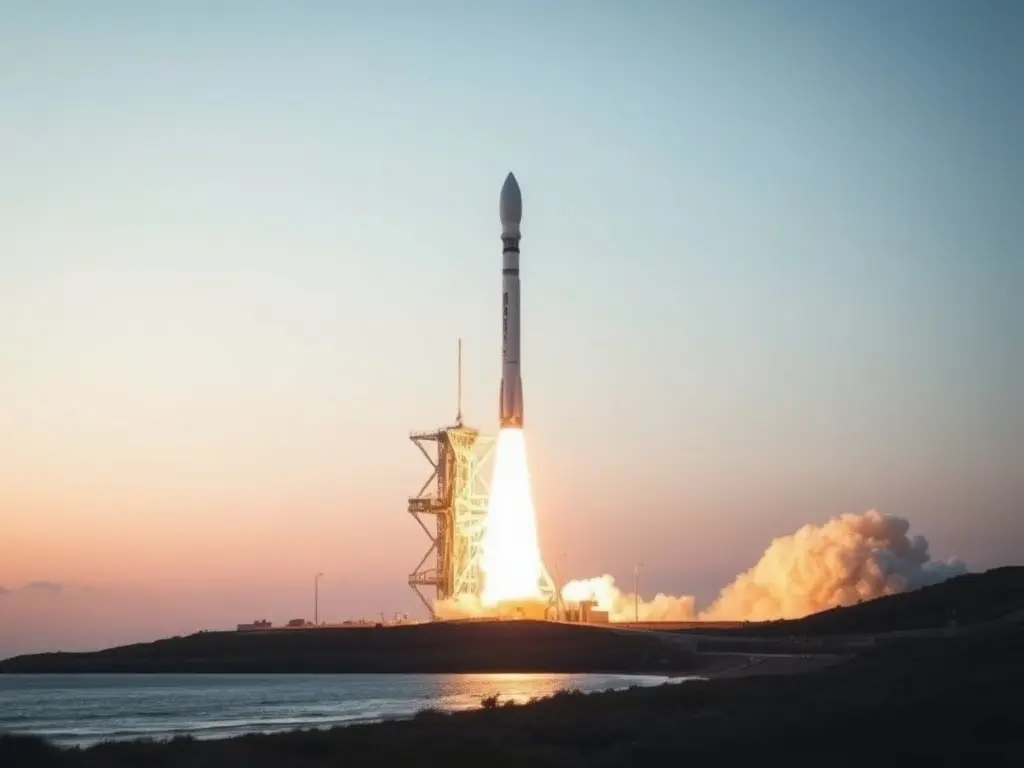
SpaceX is preparing for its 12th integrated test flight of the Starship rocket on May 20, 2026, from its Starbase facility in South Texas, aiming to demonstrate upgrades to reliability, performance, and reusability. The mission will focus on the Super Heavy booster’s return performance, Starship’s heat shield durability, and critical systems for NASA’s Artemis lunar program and future Mars missions.
SpaceX will launch the 12th integrated test flight of its Starship rocket on May 20, 2026, from its Starbase facility in South Texas. This mission marks another step toward achieving a fully reusable launch system for Moon, Mars, and deep-space missions. The upcoming flight introduces the Starship V3 configuration, featuring upgrades to the Raptor engine system, structural improvements, and enhanced thermal protection. The Starship rocket stands over 120 meters tall and consists of the Super Heavy booster and the upper stage. Engineers will monitor liftoff, booster ascent, stage separation, and controlled descent, with a focus on the Super Heavy booster’s return performance. SpaceX continues refining controlled descent techniques, including future attempts to catch the booster using mechanical arms at Starbase. The Starship upper stage will undergo re-entry testing, evaluating its heat shield made of thousands of ceramic tiles against extreme atmospheric temperatures. Previous flights have shown progress in separation and re-entry control, though challenges remain in landing accuracy and heat shield consistency. Starship is central to NASA’s Artemis program, with a modified version selected as the Human Landing System (HLS) for transporting astronauts from lunar orbit to the Moon’s surface. Success in this test flight could support NASA’s goal of returning humans to the Moon and establishing a long-term lunar presence, while also advancing future Mars exploration missions. SpaceX follows a ‘test, fail, fix, repeat’ philosophy, using frequent flight tests to accelerate improvements. Each launch generates telemetry data to refine engine performance, flight stability, structural integrity, and re-entry systems. This rapid iteration approach has significantly shortened Starship’s development timeline. If successful, the May 20 flight would bring SpaceX closer to achieving full rocket reusability, a milestone critical for reducing launch costs and enabling frequent satellite deployments, lunar missions, and Mars exploration.
This content was automatically generated and/or translated by AI. It may contain inaccuracies. Please refer to the original sources for verification.