SpaceX Shifts Highly Anticipated Starship Launch
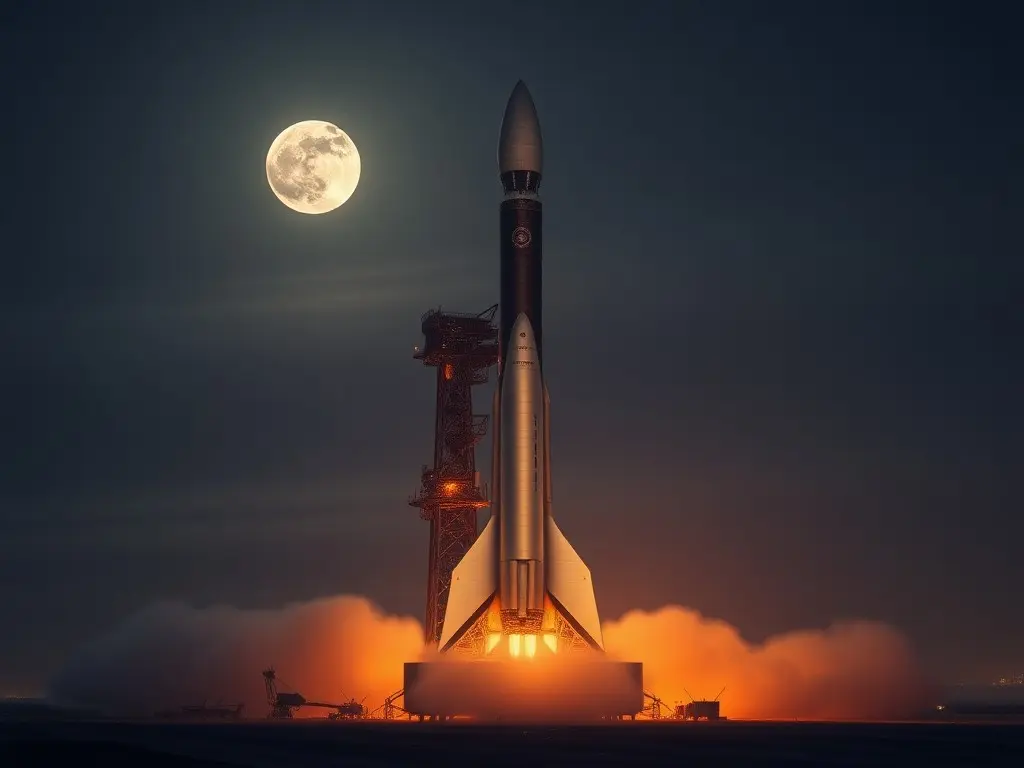
SpaceX postponed its third-generation Starship megarocket launch from Thursday to Friday after a hydraulic pin issue halted the countdown, marking the first attempt in seven months. The test mission, critical for NASA’s Artemis Moon program and SpaceX’s upcoming IPO, aims to demonstrate redesigned systems, including a splashdown of the Super Heavy booster and deployment of mock satellites.
SpaceX delayed the launch of its upgraded Starship megarocket from Thursday to Friday due to a hydraulic pin failure that prevented the tower arm from retracting. Company spokesperson Dan Huot confirmed the issue during the livestream, with Elon Musk suggesting a 5:30 p.m. local time (2230 GMT) attempt on Friday. The test marks the 12th Starship flight and the first in seven months, featuring a redesigned rocket standing over 407 feet (124 meters) tall. The mission aims to demonstrate the Super Heavy booster’s water splashdown off the Texas coast and deploy 20 mock satellites plus two modified Starlink satellites equipped with cameras to analyze the spacecraft’s heat shield. The flight is expected to last approximately 65 minutes, ending with a splashdown in the Indian Ocean if successful. This launch is critical for SpaceX’s ambitions, including NASA’s Artemis Moon program, for which SpaceX is contracted to develop a lunar lander. The U.S. space agency plans an in-orbit rendezvous test in 2027 and a crewed lunar landing by late 2028, though delays have raised concerns. SpaceX filed for an initial public offering (IPO) with U.S. regulators on Thursday, targeting a June debut. Previous Starship tests have ended in explosions, including two over the Caribbean and one after reaching space. Last June, an upper-stage explosion occurred during a ground test. The latest attempt follows a period of inactivity, with SpaceX and rival Blue Origin prioritizing lunar lander development amid competition with China’s crewed Moon mission target of 2030. The mission’s success hinges on demonstrating the rocket’s redesigned systems, including reusability and payload deployment. NASA’s reliance on private contracts for lunar missions adds pressure, as delays could impact the U.S. timeline for returning astronauts to the Moon.
This content was automatically generated and/or translated by AI. It may contain inaccuracies. Please refer to the original sources for verification.