SpaceX Starship V3 Explained: V2 Upgrades and IPO Impact
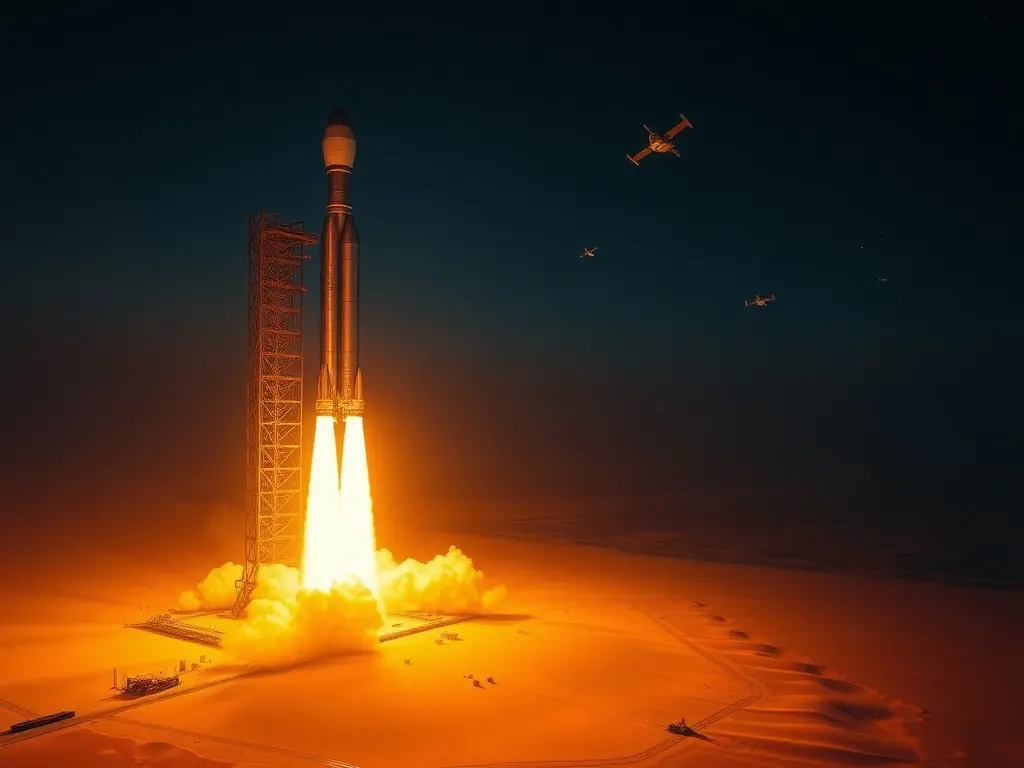
SpaceX’s Starship V3 completed its first test flight (Flight 12) on May 22, 2026, from Starbase in Texas, successfully deploying all 22 Starlink satellite simulators while the Super Heavy booster crashed in the Gulf of Mexico. The upgrade triples payload capacity to over 100 metric tons and introduces the Raptor 3 engine, critical for NASA’s Artemis program and SpaceX’s upcoming IPO targeting a $1.75 trillion valuation.
SpaceX’s Starship V3 rocket conducted its maiden flight on May 22, 2026, from Starbase in Texas, marking the first test of the upgraded model. The 408-foot-tall rocket, powered by 33 Raptor 3 engines, successfully deployed all 22 Starlink satellite simulators but lost its Super Heavy booster after engine failure during the boost-back burn, causing it to crash in the Gulf of Mexico. V3 represents a major leap from its predecessor, Starship V2, with a reusable payload capacity exceeding 100 metric tons—nearly triple V2’s 35 metric tons—and a total liftoff thrust of 18 million pounds. The new Raptor 3 engines and eliminated grid fins improve efficiency, while in-space refueling ports enable full orbital missions. The upper stage, Ship 39, performed as planned, reaching space and executing a controlled splashdown in the Indian Ocean. SpaceX did not attempt recovery of either stage, focusing instead on testing hardware performance. The successful deployment of Starlink simulators, including two modified satellites, demonstrated the rocket’s ability to handle large payloads. Starship V3 is pivotal for NASA’s Artemis program, selected to land astronauts on the Moon by 2028. Its enhanced capacity also aligns with SpaceX’s IPO plans, filed May 20 with a Nasdaq listing scheduled for June 12 under the ticker SPCX, targeting a valuation of up to $1.75 trillion. The flight highlighted the challenges of reusable rocket engineering, with the booster’s failure contrasting the upper stage’s success. Despite the setback, SpaceX called the test productive, emphasizing progress in payload deployment and orbital capabilities. The upgrades position Starship V3 as a commercially viable heavy-lift vehicle, surpassing competitors like NASA’s Space Launch System in thrust and payload capacity. Its debut flight underscores SpaceX’s rapid advancements in rocket technology ahead of its high-profile IPO.
This content was automatically generated and/or translated by AI. It may contain inaccuracies. Please refer to the original sources for verification.