SpaceX trading to kick off after record IPO, with hopes for first-day surge
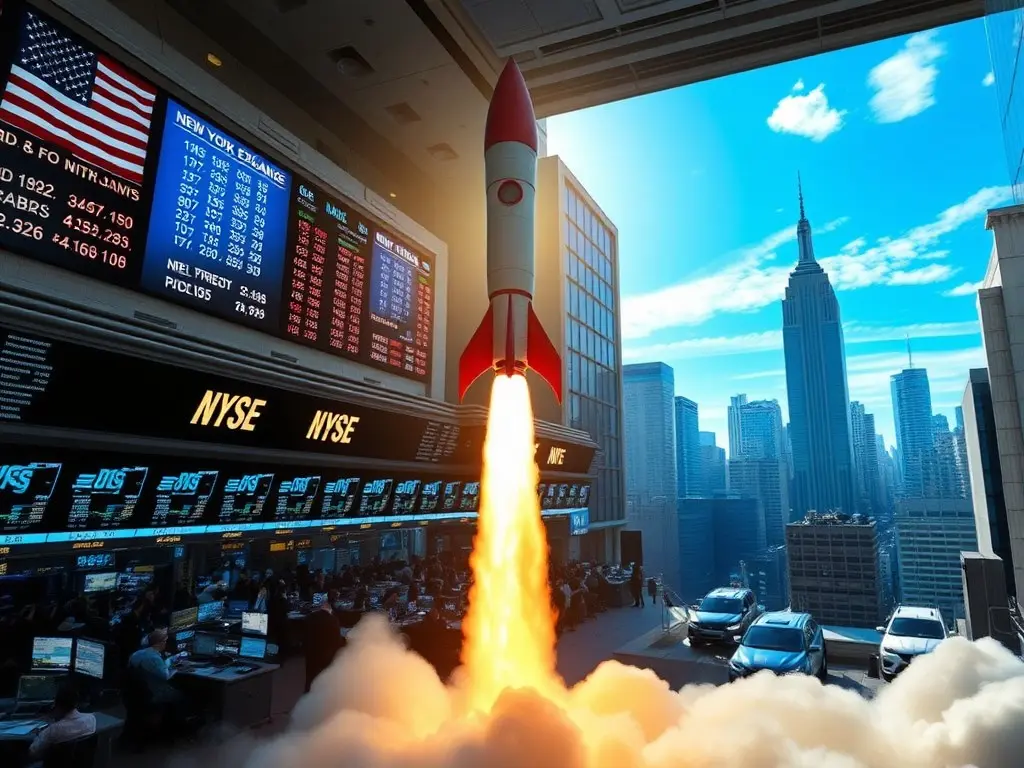
SpaceX, led by Elon Musk, launched its Nasdaq IPO on June 12, raising $75 billion and achieving a $1.77 trillion valuation, becoming the largest U.S. IPO ever and the seventh-largest company in the country despite posting a $5 billion loss last year. The debut will test Wall Street’s infrastructure and set a precedent for future AI company listings, with analysts predicting a potential 20% surge in its stock price on the first day of trading.
SpaceX officially began trading on Nasdaq on June 12, marking the culmination of its record-breaking $75 billion IPO that valued the company at $1.77 trillion. The listing made SpaceX the largest U.S. IPO in history and the seventh-largest company in the country by market capitalization, despite reporting a $4.9 billion loss in 2023 and revenue far lower than similarly valued tech giants. Trading was delayed until midday to balance supply and demand, with market participants anticipating a significant first-day surge, potentially exceeding 20%. The IPO underscores Elon Musk’s status as the world’s first trillionaire and tests Wall Street’s ability to handle unprecedented trading volumes. Exchanges and firms are preparing for technical challenges after Meta’s 2012 debut, while the listing serves as a benchmark for future AI company IPOs, including Anthropic and OpenAI. SpaceX President Gwynne Shotwell and CFO Bret Johnsen rang the Nasdaq opening bell at 9:30 a.m. ET, symbolizing the company’s entrance into the elite ranks of U.S. corporations. Analysts note SpaceX’s valuation remains speculative, with the company citing a $28.5 trillion market opportunity. The stock’s performance may also reflect the so-called ‘Musk premium,’ which has supported Tesla’s valuation despite fluctuations tied to Musk’s public roles. While SpaceX is not yet eligible for the S&P 500, it will be fast-tracked into the Nasdaq 100 within a month, increasing demand from ETFs and passive funds. The IPO’s success could prompt investors to reallocate portfolios, potentially pressuring other tech stocks. However, the company’s long-term valuation and profitability remain uncertain, given its history of losses and reliance on Musk’s vision. The debut marks a pivotal moment for SpaceX and Wall Street, reshaping IPO strategies and investor expectations for future high-profile listings.
This content was automatically generated and/or translated by AI. It may contain inaccuracies. Please refer to the original sources for verification.