SpaceX’s 408-ft. Starship V3 finally flew, but the real test is refueling in orbit before NASA can bet on the Moon
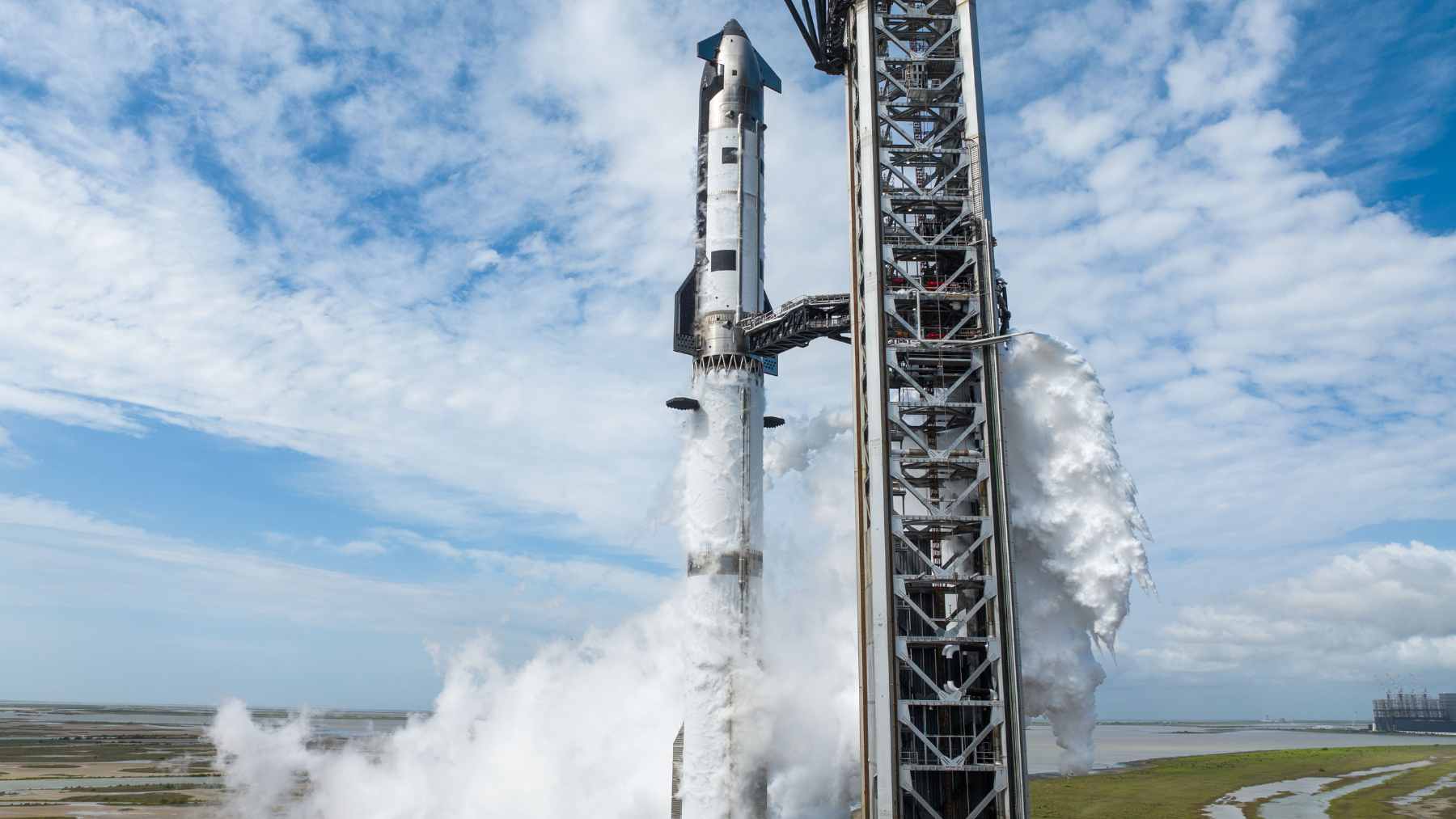
SpaceX launched its upgraded Starship V3 rocket from Starbase in South Texas on May 22, marking its first flight after seven months, though the Super Heavy booster failed its planned soft splashdown, prompting a Federal Aviation Administration mishap investigation. The test highlighted critical milestones like orbital refueling and reliability, which are essential for NASA’s Artemis Moon missions, now targeting 2027 and 2028 for crewed lunar landings." "article": "SpaceX successfully launched its upgraded Starship V3 rocket on May 22 from Starbase in South Texas, the first flight of the vehicle since August 2023. Standing at 408 feet, the rocket featured new Raptor 3 engines, an enhanced Super Heavy booster, and expanded propellant capacity to support in-space refueling—a key requirement for Moon missions. While the upper stage reached space and splashed down as planned, the Super Heavy booster missed its targeted soft landing in the Gulf of Mexico, leading the Federal Aviation Administration (FAA) to classify the event as a mishap. The FAA will now oversee an investigation to determine corrective actions before future launches." "The flight tested critical systems needed for Starship’s role in NASA’s Artemis program, including docking and refueling capabilities essential for lunar missions. SpaceX aims to demonstrate orbital propellant transfers—a process requiring multiple Starship launches to refuel another in space—before NASA can rely on it for crewed Moon landings. NASA’s Artemis III mission, now planned as a 2027 low-Earth orbit test, depends on commercial landers like Starship, with Artemis IV targeting the next lunar landing in 2028. Delays in refueling technology or regulatory approvals could jeopardize these timelines, as NASA’s inspector general has warned about the complexity of large-scale orbital operations." "Starbase’s location near coastal Texas also introduces environmental and safety concerns, requiring SpaceX to balance rapid testing with regulatory oversight. The FAA’s involvement underscores the need for transparency and corrective measures before Starship can proceed with further flights. While the V3 test provided valuable data, SpaceX must address reliability issues, particularly in booster recovery, to meet NASA’s lunar ambitions. The next major milestones include a long-duration flight and an in-space propellant transfer test, both critical for proving Starship’s viability beyond Earth’s orbit.
SpaceX successfully launched its upgraded Starship V3 rocket on May 22 from Starbase in South Texas, the first flight of the vehicle since August 2023. Standing at 408 feet, the rocket featured new Raptor 3 engines, an enhanced Super Heavy booster, and expanded propellant capacity to support in-space refueling—a key requirement for Moon missions. While the upper stage reached space and splashed down as planned, the Super Heavy booster missed its targeted soft landing in the Gulf of Mexico, leading the Federal Aviation Administration (FAA) to classify the event as a mishap. The FAA will now oversee an investigation to determine corrective actions before future launches." "The flight tested critical systems needed for Starship’s role in NASA’s Artemis program, including docking and refueling capabilities essential for lunar missions. SpaceX aims to demonstrate orbital propellant transfers—a process requiring multiple Starship launches to refuel another in space—before NASA can rely on it for crewed Moon landings. NASA’s Artemis III mission, now planned as a 2027 low-Earth orbit test, depends on commercial landers like Starship, with Artemis IV targeting the next lunar landing in 2028. Delays in refueling technology or regulatory approvals could jeopardize these timelines, as NASA’s inspector general has warned about the complexity of large-scale orbital operations." "Starbase’s location near coastal Texas also introduces environmental and safety concerns, requiring SpaceX to balance rapid testing with regulatory oversight. The FAA’s involvement underscores the need for transparency and corrective measures before Starship can proceed with further flights. While the V3 test provided valuable data, SpaceX must address reliability issues, particularly in booster recovery, to meet NASA’s lunar ambitions. The next major milestones include a long-duration flight and an in-space propellant transfer test, both critical for proving Starship’s viability beyond Earth’s orbit.
This content was automatically generated and/or translated by AI. It may contain inaccuracies. Please refer to the original sources for verification.