SpaceX's enormous Starship splashes down after test flight
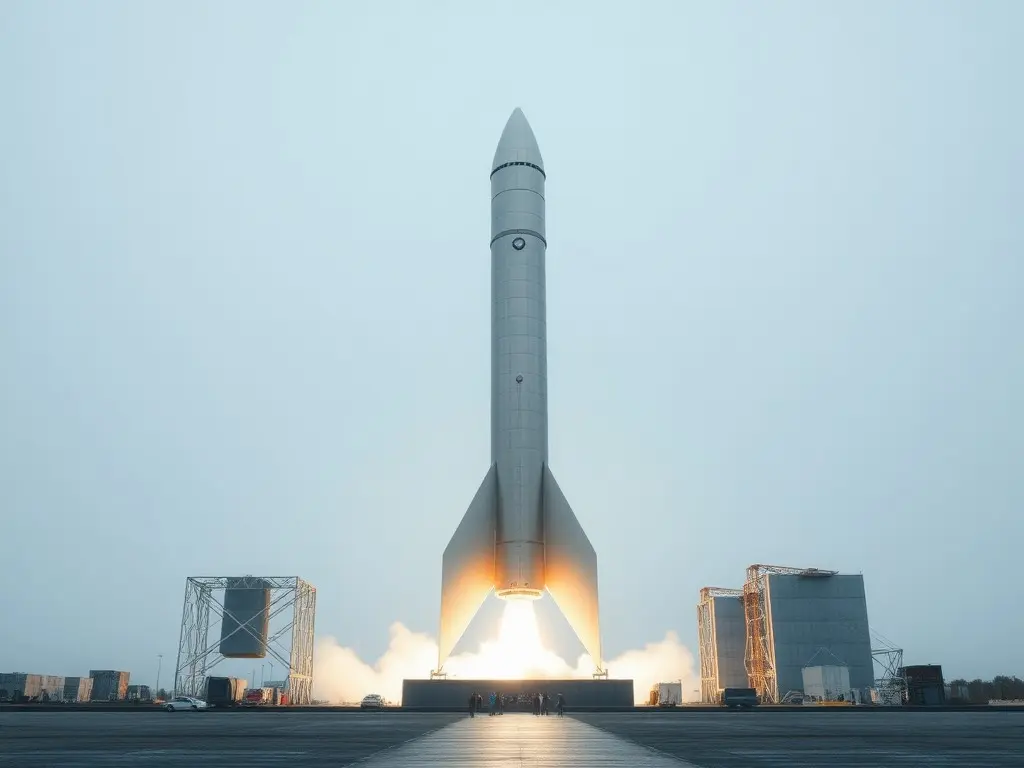
SpaceX’s Starship completed its 12th test flight, splashing down in the Indian Ocean after a controlled but imperfect orbital attempt, while NASA Administrator Jared Isaacman attended the launch as part of efforts to develop a lunar lander for the Artemis program. The flight faced engine failures and an uncontrolled booster descent into the Gulf of Mexico, though SpaceX celebrated progress ahead of a planned record-breaking IPO in June.
SpaceX’s Starship spacecraft splashed down into the Indian Ocean on Friday after a test flight that marked its 12th attempt, the first in seven months. The launch, which occurred at 5:30 pm local time (2230 GMT) from South Padre Island, faced technical challenges, including an engine malfunction during the initial burn that left the vehicle in an imperfect orbit. Despite one engine failing, Starship executed a flip maneuver and reignited its remaining engines to stabilize before deploying 22 mock satellites, two of which attempted to photograph its heat shield for analysis. The Super Heavy booster separated as planned but failed to complete its boost-back burn, crashing uncontrollably into the Gulf of Mexico. SpaceX had not intended to recover either the booster or the upper stage, but the uncontrolled descent was an unexpected setback. The company confirmed splashdown success on X, calling it a milestone for the team. The launch followed a 24-hour delay due to a hydraulic pin issue that prevented the tower arm from retracting, a problem Elon Musk addressed overnight. NASA Administrator Jared Isaacman attended the event, emphasizing the importance of Starship’s development for NASA’s Artemis program, which aims for crewed lunar landings by 2028. SpaceX is under contract to modify Starship as a lunar lander, though industry experts remain skeptical about meeting tight deadlines. The latest Starship design stands at 407 feet (124 meters) tall, larger than its predecessors. SpaceX is also preparing for a potential record initial public offering in June, adding financial pressure to its engineering progress. Rival company Blue Origin, owned by Jeff Bezos, is also competing to develop a lunar lander, with NASA planning in-orbit rendezvous tests in 2027.
This content was automatically generated and/or translated by AI. It may contain inaccuracies. Please refer to the original sources for verification.