SpaceX's Starship megarocket finally has a 2026 launch date. Here's when
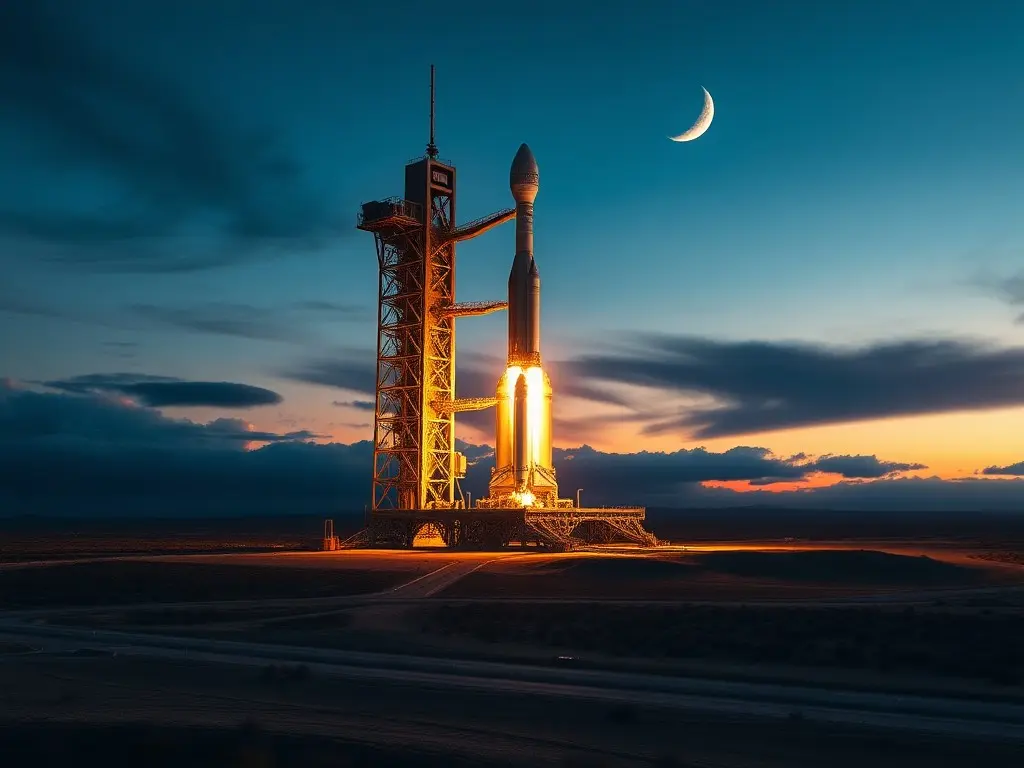
SpaceX has set a target launch date of May 19, 2026, for its Starship megarocket’s 12th flight test from South Texas, marking the first launch in seven months and the debut of its largest and most powerful version, Starship Version 3 (V3). The mission aims to demonstrate orbital capability and in-flight refueling, critical for NASA’s Artemis moon missions and future Mars plans.
SpaceX has announced a May 19, 2026, launch window for its Starship megarocket’s next flight test, the company’s 12th overall and first since October 2025. The launch, targeting 6:30 p.m. ET from Starbase in South Texas near the U.S.-Mexico border, marks a significant milestone for the world’s largest rocket, which will debut its most advanced version yet, Starship Version 3 (V3). If delayed, a backup window opens on May 20, according to Federal Aviation Administration advisories. This mission follows a seven-month hiatus, the longest gap since Starship’s debut in April 2023. The upgraded V3 design aims to achieve orbit and demonstrate in-flight refueling—a critical capability for deep-space missions. Two Starships will need to dock in orbit to transfer hundreds of tons of super-cooled propellant, a process essential for NASA’s Artemis moon landings and SpaceX’s Mars ambitions. The launch comes after multiple delays in 2026, reflecting SpaceX’s focus on refining the rocket’s design and ensuring safety. NASA is closely watching, as SpaceX’s Starship is slated to serve as the lunar lander for the Artemis program. The agency’s upcoming Artemis II mission, set for later this year, will test crewed lunar flybys ahead of planned moon landings. Starship’s latest iteration incorporates lessons from previous test flights, including its 11th mission in October 2025. The rocket’s improved structure and propulsion systems are designed to handle the stresses of orbital operations and potential mid-flight refueling. Success in this test could accelerate SpaceX’s timeline for human spaceflight missions beyond Earth’s orbit. Elon Musk’s company has faced scrutiny over past delays, but the upcoming launch represents a critical step toward operationalizing Starship. If all goes as planned, the flight will validate key technologies needed for sustainable lunar and Martian exploration. The mission’s outcome will also influence SpaceX’s partnership with NASA and its broader commercial space ambitions.
This content was automatically generated and/or translated by AI. It may contain inaccuracies. Please refer to the original sources for verification.