SpaceX’s Starship V3 finally flew, but the next test is harder: proving NASA can trust it for the Moon
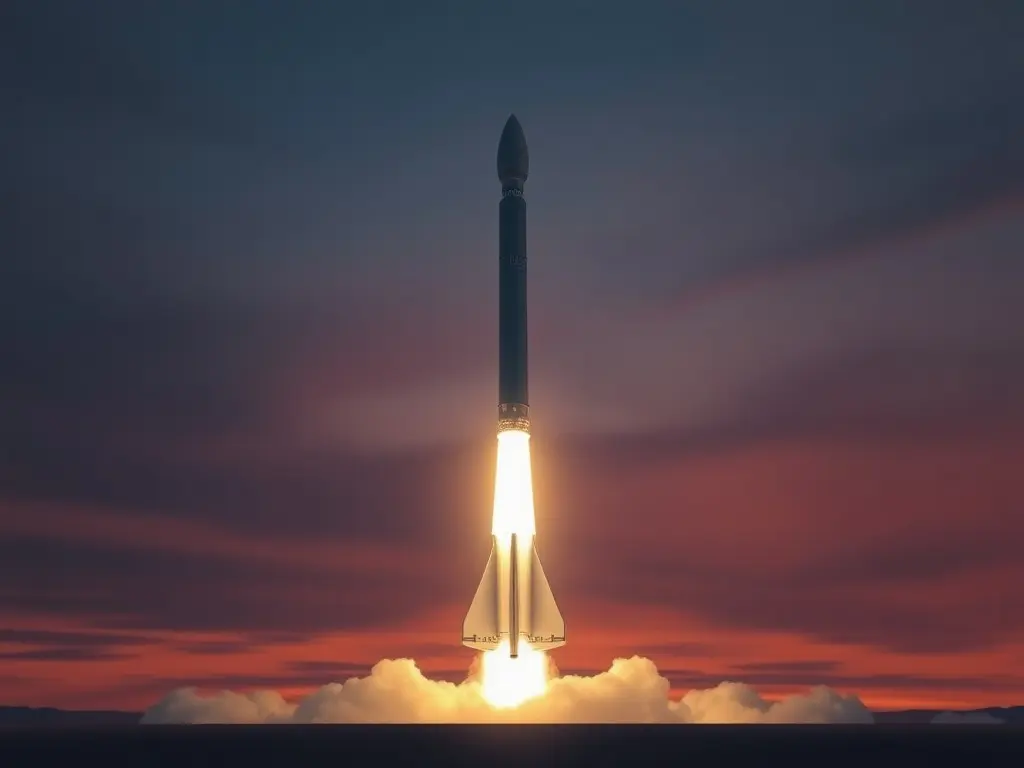
SpaceX’s Starship V3 completed its first test flight on May 22, 2026, from Starbase, Texas, despite losing one Raptor 3 vacuum engine and facing an FAA-declared 'mishap' during booster descent. The flight marks a critical step for NASA’s Artemis Moon program, but SpaceX must now prove reliability for orbital refueling, lunar missions, and regulatory compliance before further launches are approved.
SpaceX’s Starship V3 launched from Starbase, Texas, on May 22, 2026, as Flight 12 and the first test of its updated design. The 408-foot rocket demonstrated engine-out capability by reaching key flight goals despite losing one Raptor 3 vacuum engine during ascent. However, the Federal Aviation Administration (FAA) classified the mission as a 'mishap' after the Super Heavy booster encountered issues over the Gulf, requiring SpaceX to complete a safety investigation before future flights. The flight highlights Starship’s pivotal role in NASA’s Artemis program, particularly for lunar missions requiring orbital refueling and heavy payloads. NASA has adjusted its timeline, with Artemis III now focusing on a low-Earth orbit demonstration in 2027, while Artemis IV—planned for early 2028—aims to return astronauts to the Moon’s south pole. Starship V3 must prove its ability to support these missions, including docking, propellant transfers, and crewed operations, before NASA approves its use. Orbital refueling remains a major challenge, as NASA’s architecture relies on multiple Starship launches to establish a propellant depot in low-Earth orbit. SpaceX plans rapid tanker flights—one every six days—to fuel the lunar lander before its journey. Success depends on coordinating launches, ground systems, and safety protocols, transforming Starship from a test vehicle into operational infrastructure. Regulatory hurdles add complexity, as the FAA’s Boca Chica review scrutinizes environmental and safety risks tied to frequent coastal launches. SpaceX’s push for speed clashes with the FAA’s demand for thorough mishap investigations, delaying progress. The outcome will determine whether Starship becomes a routine lunar transport system or remains a high-risk experimental project.
This content was automatically generated and/or translated by AI. It may contain inaccuracies. Please refer to the original sources for verification.