Starmer expected to dilute UK electric vehicle sales targets – report
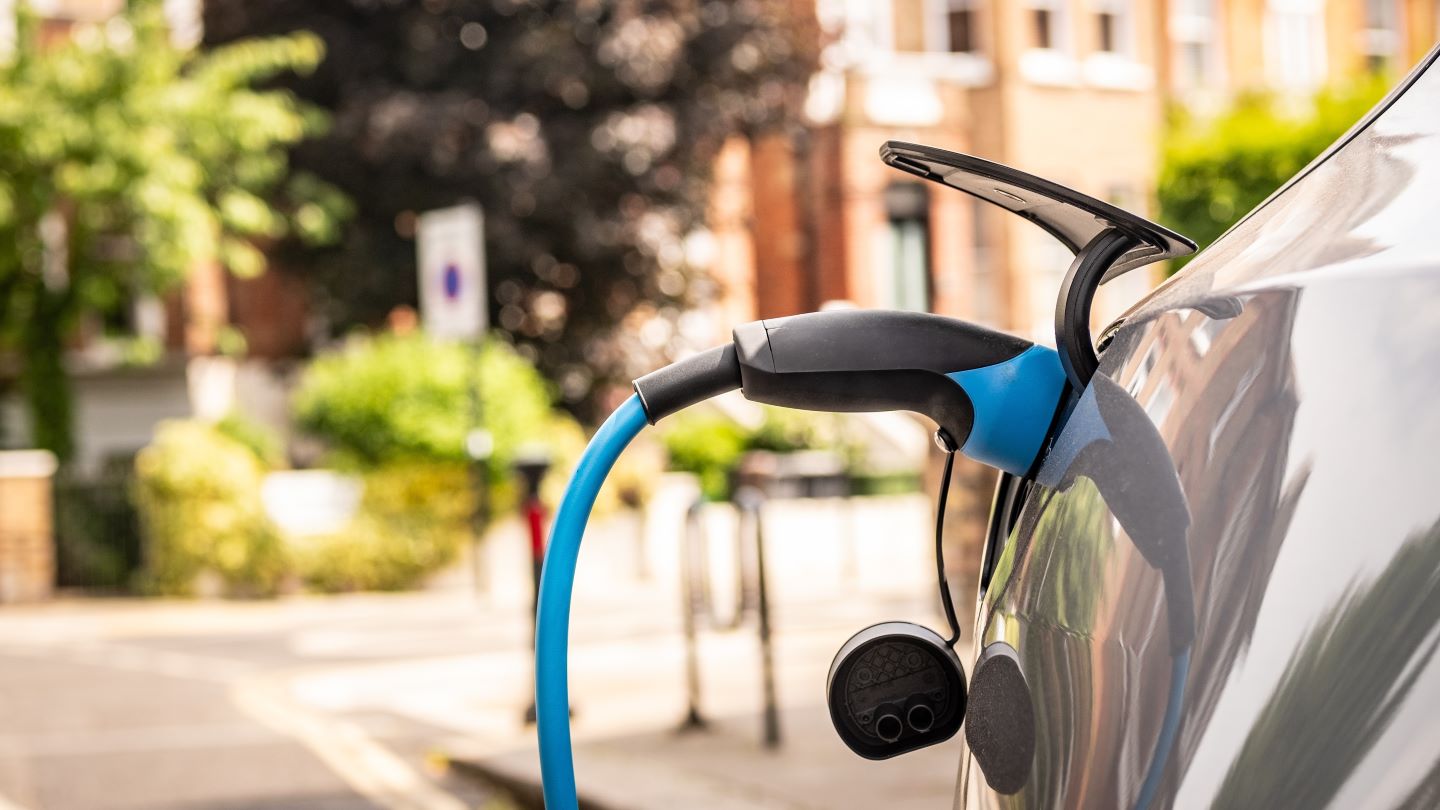
UK Prime Minister Keir Starmer is reportedly preparing to reduce the 2030 electric vehicle sales target from 80% to 50%, easing pressure on automakers and addressing job loss concerns. The move follows lobbying from carmakers, unions, and business leaders, but requires consultation with devolved governments and could face opposition from Energy Secretary Ed Miliband, who has defended the original zero-emission vehicle mandate.
UK Prime Minister Keir Starmer is set to relax the country’s electric vehicle (EV) sales targets, reducing the 2030 requirement from 80% to 50% of new car sales while maintaining the ban on new petrol and diesel vehicles. The shift comes after pressure from automakers—represented by the Society of Motor Manufacturers and Traders (SMMT)—the Unite union, and Business Secretary Peter Kyle, who warned that current targets risk driving investment out of Britain and causing job losses. The revision would adjust the zero-emission vehicle (ZEV) mandate, originally introduced under Boris Johnson in 2020, which required 22% EV sales in 2024, rising to 80% by 2030. Under the proposed changes, hybrids would account for half of new sales by 2030, delaying the phase-out of petrol and diesel cars. The government’s commitment to ending new petrol and diesel sales by 2030—restored from Rishi Sunak’s 2035 delay—remains unchanged, though hybrids will still be phased out by 2035. Energy Secretary Ed Miliband, a key supporter of the original plan, has faced growing calls to soften the approach, including on oil and gas exploration. He previously emphasized the mandate’s role in accelerating the UK’s EV transition and supporting manufacturing. However, industry executives, including those at Hyundai Motor Group, have argued that the current rules threaten investment and jobs. The move requires consultation with devolved governments in Scotland and Wales, raising potential tensions. Unite’s general secretary, Sharon Graham, warned that the ZEV mandate is already contributing to automotive job losses and urged radical reductions. Any changes would need approval from Westminster and regional administrations before implementation. The UK’s approach contrasts with the EU, which abandoned fixed sales quotas in favor of carbon reduction goals. The proposed revisions aim to balance environmental targets with economic concerns, but critics argue they weaken the UK’s leadership in EV adoption.
This content was automatically generated and/or translated by AI. It may contain inaccuracies. Please refer to the original sources for verification.