Stifling heat, storm delays: weather extremes could impact World Cup
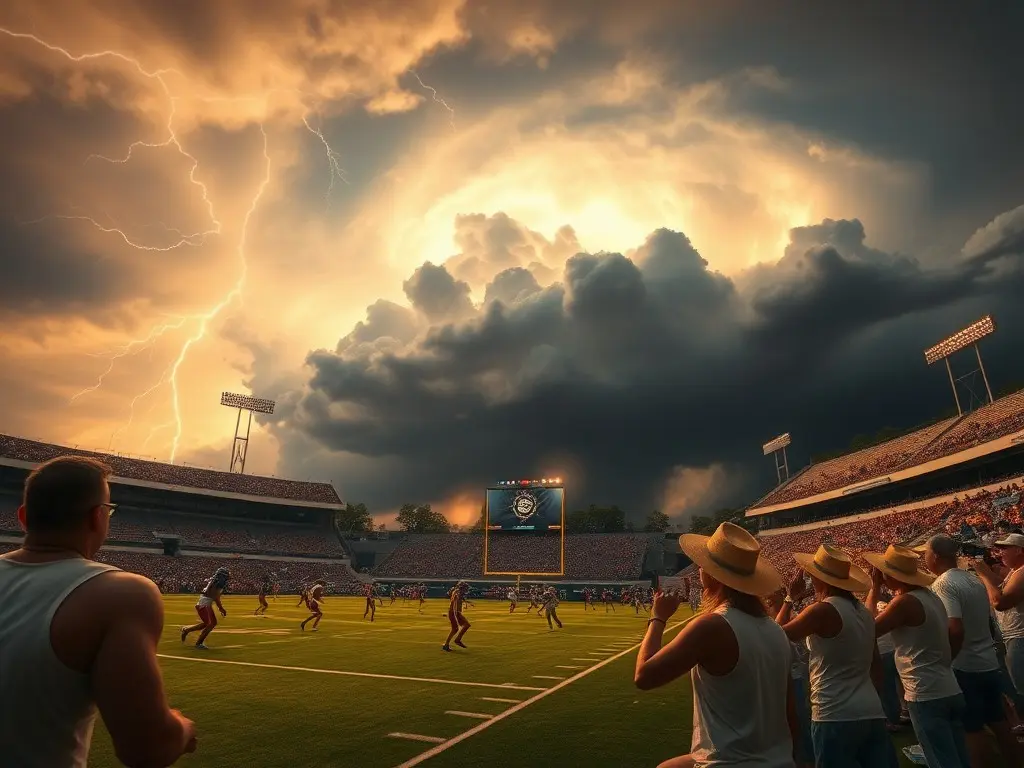
Extreme heat, humidity, and thunderstorms pose risks to the 2026 World Cup across the US, Canada, and Mexico, with potential delays and safety concerns for players and fans. Scientists warn climate change could worsen storm patterns, increasing lightning strikes and heat-related challenges for open-air matches.
The 2026 World Cup, hosted across 16 cities in the US, Canada, and Mexico, faces potential disruptions from extreme weather conditions. Summer heat, humidity, and frequent thunderstorms—common in North American regions—could delay matches, with FIFA enforcing 30-minute pauses after lightning strikes within an 8-10-mile radius. Last year’s FIFA Club World Cup saw six matches delayed by severe weather, raising concerns about the tournament’s feasibility in vulnerable cities like those east of the Rocky Mountains, where lightning risks are highest. Scientists link climate change to heavier rainfall and stronger storms, which may increase lightning frequency. Kelsey Malloy of the University of Delaware noted that while trends aren’t yet strong, lightning is expected to rise due to warmer, more electrified clouds. Stadiums in Atlanta, Dallas, Houston, Los Angeles, and Vancouver will have roofs or air conditioning, but many matches remain at open-air venues, where temperatures could exceed 90°F (32°C) with high humidity. A recent climate report predicts grueling heat may affect a quarter of games, including New Jersey’s final, prompting FIFA to mandate cooling breaks during play. Lightning poses serious risks, with 444 US deaths from strikes between 2006 and 2021, often during outdoor activities. While stadiums use lightning rods to mitigate structural damage, nearby strikes can still disrupt events. University of Florida researcher Ziqin Ding emphasized that lightning can strike miles from visible storms, urging fans to follow safety protocols. Critics like former Chelsea coach Enzo Maresca questioned whether some US cities should host major tournaments due to weather-related delays, calling them a ‘joke’ that disrupts focus. FIFA’s preparations include weather monitoring and cooling measures, but climate scientists warn of growing uncertainties. The 2026 tournament will test how well organizers adapt to worsening conditions, with potential long-term implications for future outdoor sports events in high-risk regions.
This content was automatically generated and/or translated by AI. It may contain inaccuracies. Please refer to the original sources for verification.