Strait of Hormuz: the 34-kilometre jugular vein of the global economy
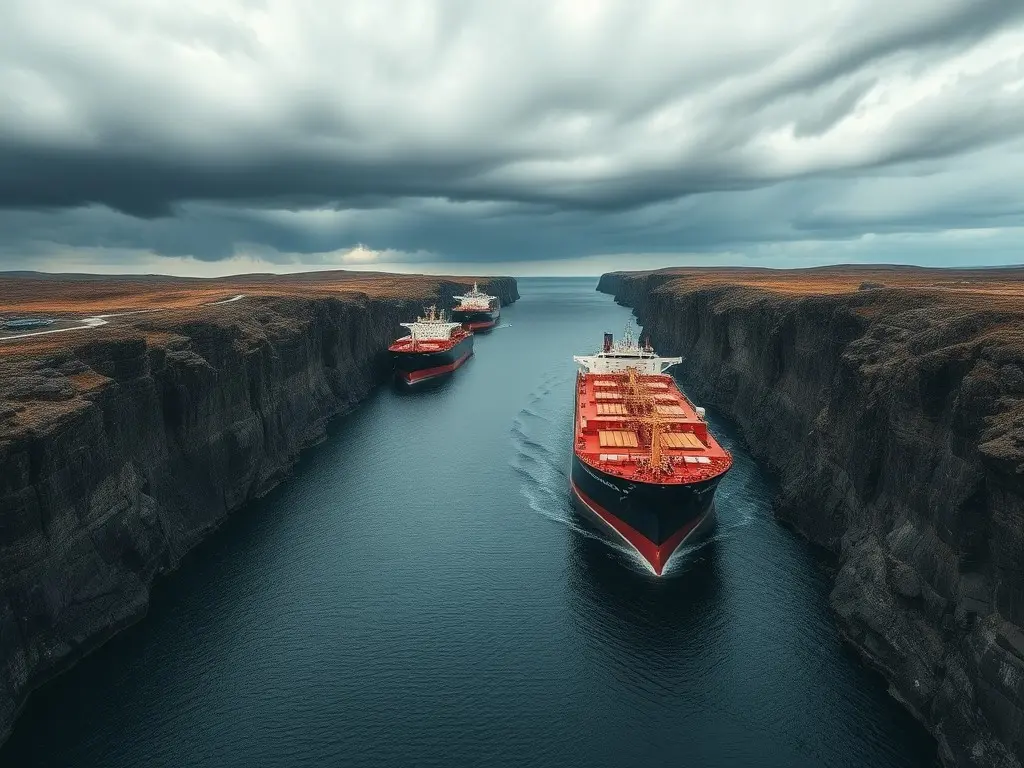
The Strait of Hormuz is a critical waterway that carries a significant portion of the world's energy, trade, and stability, with 20 million barrels of oil and petroleum products passing through it daily. Disruptions to the strait have significant implications for global food security, fertiliser prices, and the economy.
The Strait of Hormuz is a 34-kilometre stretch of water between Iran and Oman that carries a disproportionate share of the world's energy, trade, and stability. On a typical day, over 120 commercial vessels transit the strait, carrying 20 million barrels of oil and petroleum products, one-quarter of every drop of seaborne oil traded globally. After US and Israeli air strikes began on February 28, Iran effectively closed the strait, hitting 21 merchant vessels and causing Brent crude to surge past $100 a barrel. The disruption had significant implications for global food security, with fertiliser prices rising 50% due to the impact on urea and ammonia supplies. Saudi Arabia, Iraq, the UAE, Iran, and Kuwait account for 93.6% of the crude oil that transits the strait, with China, India, South Korea, and Japan being the largest buyers. The global economy is vulnerable to disruptions in the strait, and any attempts to control it could have severe consequences.
This content was automatically generated and/or translated by AI. It may contain inaccuracies. Please refer to the original sources for verification.