Students stay in college longer when they have easier access to food, new study finds
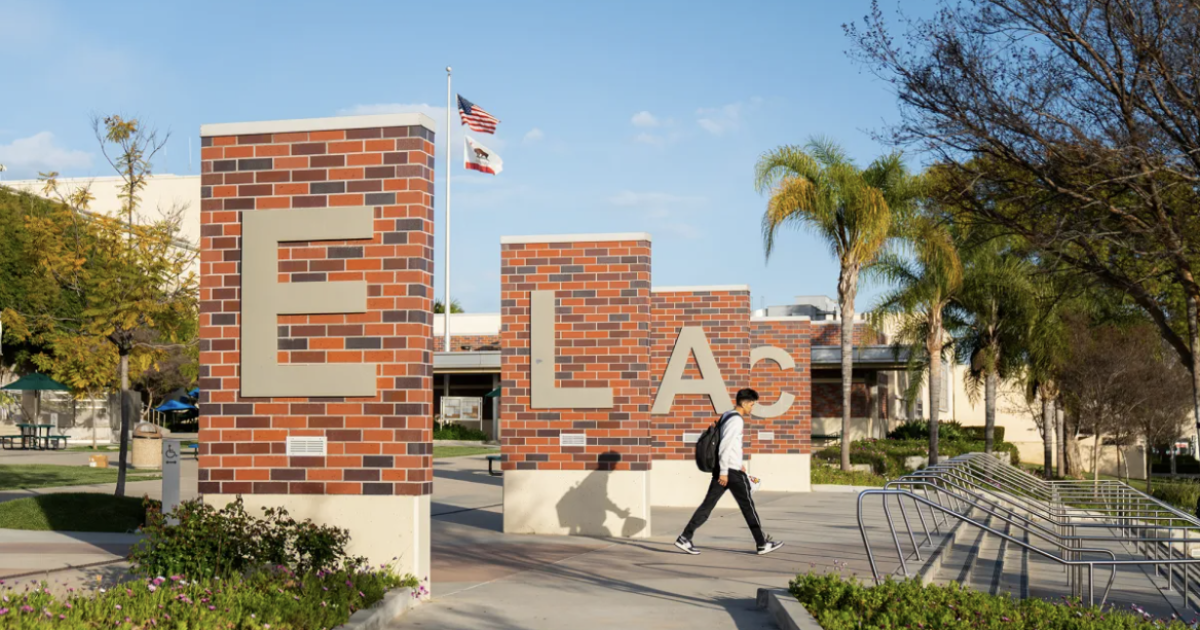
A new study by the California Policy Lab and UC Berkeley found that community college students using CalFresh benefits during their freshman year were more likely to complete full-time course loads and return for a second year. The research highlights that food assistance programs improve academic persistence among low-income students, with measurable gains in credit completion and re-enrollment rates.
A study by the California Policy Lab and UC Berkeley’s Center for Studies in Higher Education reveals that community college students who participated in CalFresh—California’s version of the Supplemental Nutrition Assistance Program (SNAP)—during their first year showed stronger academic outcomes. These students were 5% more likely to complete a full-time course load of 30 or more credits and 4% more likely to return for a second year compared to eligible peers who did not receive benefits. The research, led by Igor Chirikov and Jesse Rothstein, analyzed administrative data from all California community colleges, including financial aid records and CalFresh participation. By comparing students with similar backgrounds—such as income, family circumstances, and prior CalFresh use—the study isolated the impact of food assistance on academic success. Students who consistently received CalFresh benefits demonstrated higher persistence, particularly in credit completion, which is critical for earning associate degrees or transferring to four-year institutions. The findings show that CalFresh raised the likelihood of students completing full-time course loads by 5 percentage points and re-enrolling by 4 percentage points. For students aiming for associate degrees or transfers, the program’s impact on credit completion was slightly higher at 1.8 percentage points. Chirikov noted that while these gains appear modest, the program costs about $860 per student annually, making it a cost-effective intervention compared to other student success programs that can exceed thousands per participant. The study underscores that basic needs, such as food security, significantly influence academic performance. By reducing financial strain, CalFresh helps students focus on their studies, leading to better retention and completion rates. The research provides evidence that safety-net programs like SNAP can play a key role in supporting student success in higher education. California’s community college system, the largest in the U.S., serves a diverse student population, many of whom face financial challenges. This study suggests expanding access to food assistance could further improve academic outcomes for low-income students. The findings align with broader efforts to address food insecurity as a barrier to educational attainment.
This content was automatically generated and/or translated by AI. It may contain inaccuracies. Please refer to the original sources for verification.