Study Says Trees Counter Half the World's Urban Heating, but Not in the Places That Need It Most
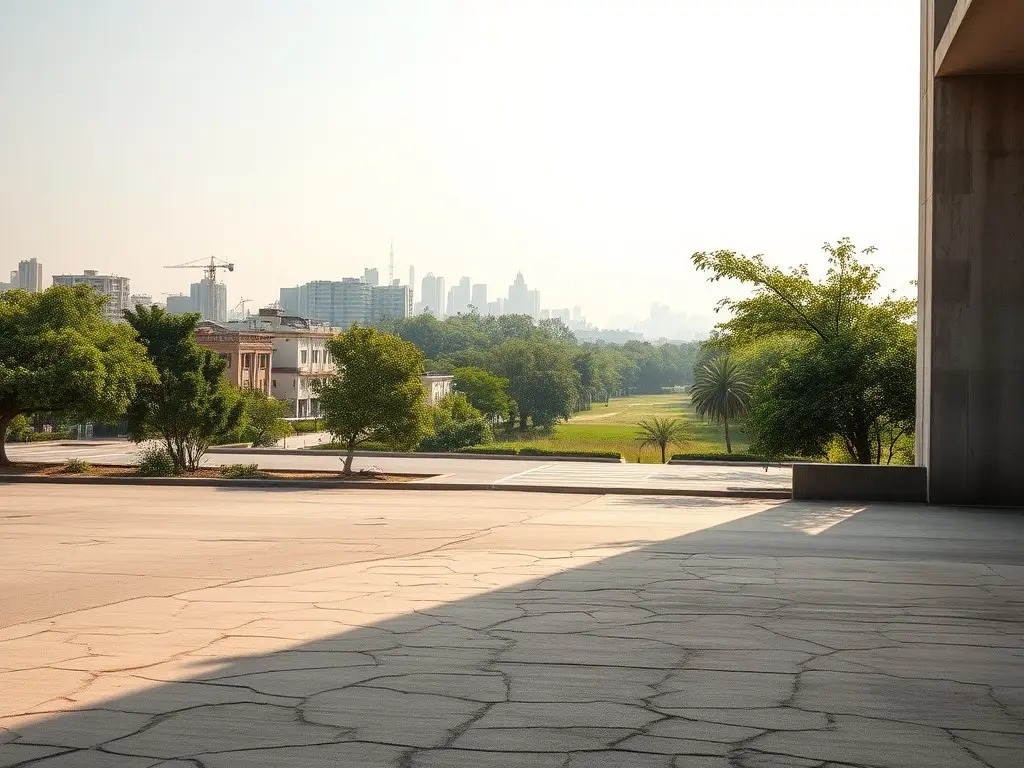
Trees cool urban areas by an average of 0.27°F (0.15°C), countering nearly half of the urban heating caused by pavement and buildings, but provide less cooling in hotter, poorer cities. In 20 cities with over 3 million people, residents feel less than 0.1°F (0.05°C) of cooling from trees.
A new study found that trees counter nearly half of the urban heating caused by pavement and buildings worldwide. On average, tree cover cools cities by 0.27°F (0.15°C). Without trees, cities would warm by 0.56°F (0.31°C) due to the urban heat island effect. The study analyzed nearly 9,000 large cities, measuring temperatures for segments of about 150 city blocks each. Poorer and hotter cities need cooling the most but have minimal tree cover. In four cities — Dakar, Senegal; Jeddah, Saudi Arabia; Kuwait City, and Amman, Jordan — over 15 million people get essentially no cooling from trees. Wealthy cities like Berlin, Atlanta, and Washington have more trees and experience greater cooling. The study highlights the inequality in tree distribution, with nearly 40% of cities in wealthy nations getting significant cooling, but only 9% in the poorest countries.
This content was automatically generated and/or translated by AI. It may contain inaccuracies. Please refer to the original sources for verification.