Supercomputer finds lithium-titanium tweak to boost sodium-ion batteries for grids
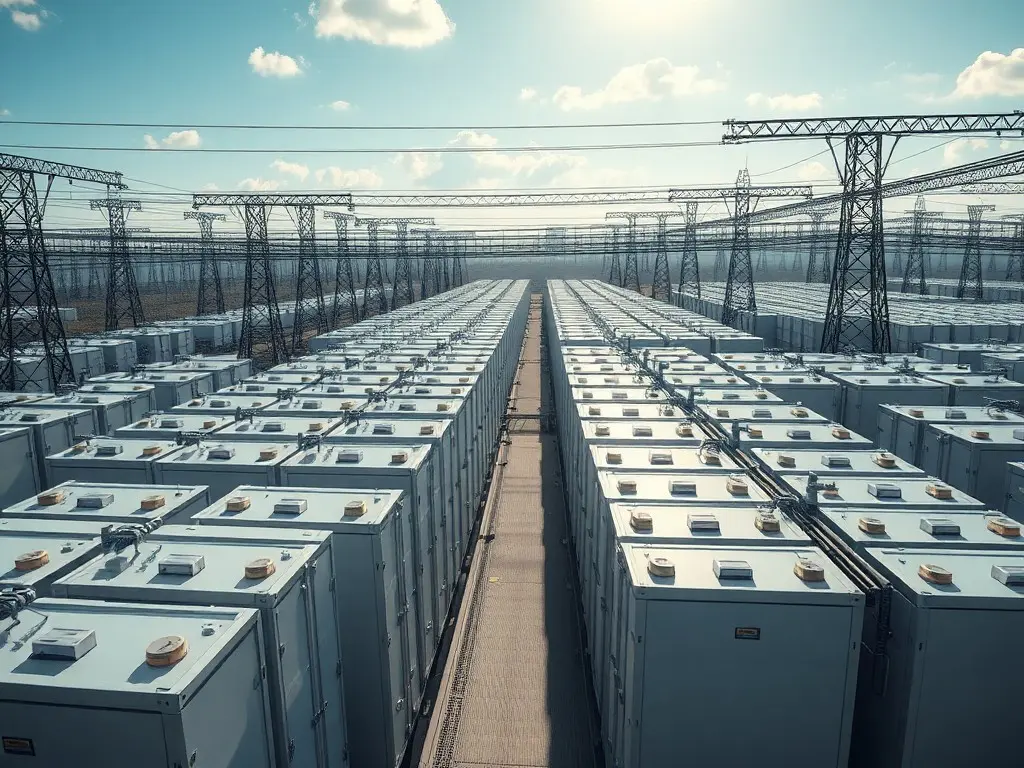
Researchers at UC San Diego used the Expanse supercomputer and AI to improve sodium-ion battery materials, enhancing their energy storage and lifespan. The breakthrough could lower the cost of large-scale energy storage for power grids.
Researchers at UC San Diego have used the Expanse supercomputer and artificial intelligence to improve sodium-ion battery materials. Sodium-ion batteries are a lower-cost alternative to lithium-ion cells due to the abundance of sodium. The team modified an existing sodium-based cathode material by adding small amounts of lithium and titanium, significantly improving its energy storage and lifespan. The Expanse supercomputer was used to simulate sodium-ion movement through the material's crystal structure during charging and discharging. The simulations showed that lithium and titanium helped sodium ions move more freely, preventing the crystal framework from collapsing. This breakthrough could make it more feasible to build large battery farms for renewable energy storage.
This content was automatically generated and/or translated by AI. It may contain inaccuracies. Please refer to the original sources for verification.