Supreme Court considers lawfulness of broad police requests for cell phone location data
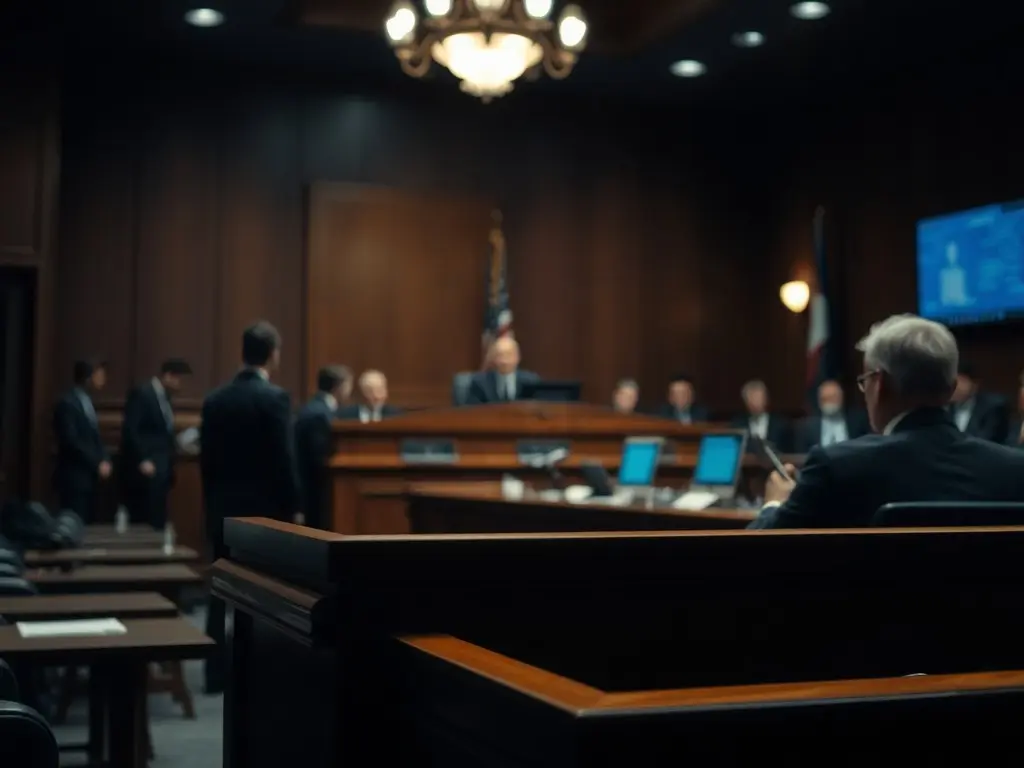
The Supreme Court is considering whether broad police requests for cell phone location data via 'geofence warrants' violate the Fourth Amendment's protection against unlawful searches and seizures. The case involves Okello Chatrie, who was identified as a suspect in a 2019 Virginia bank robbery through Google location data.
The Supreme Court is hearing a case involving Okello Chatrie, who robbed a Virginia bank in 2019. Police identified Chatrie as a suspect by obtaining Google data on cell phone users near the bank at the time of the crime via a 'geofence warrant'. Chatrie pleaded guilty but appealed, arguing the broad request violated his Fourth Amendment rights. The warrant allowed police to seek information without a specific suspect, raising concerns about privacy and potential government abuse. Google has since changed its storage policies, now storing location history on individual devices rather than its servers. The case could have broad implications for law enforcement and individual rights.
This content was automatically generated and/or translated by AI. It may contain inaccuracies. Please refer to the original sources for verification.