Supreme Court opens courtrooms to AI, but draws the line: What is allowed and what is not
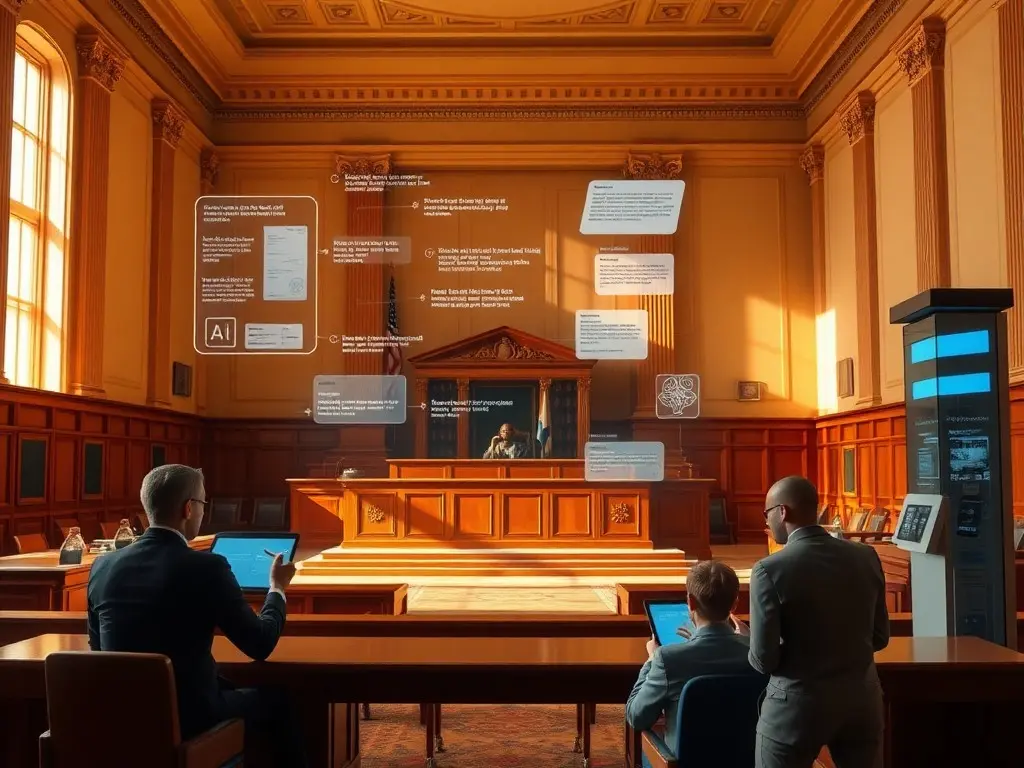
India’s Supreme Court has proposed draft regulations allowing AI use in courtrooms for tasks like legal research, drafting, and transcription, but explicitly bans AI from deciding cases or evaluating witness credibility. Lawyers must verify AI-generated work and disclose the tools used, with courts empowered to scrutinize the process before finalizing the rules." "article": "India’s Supreme Court has released draft regulations permitting the use of Artificial Intelligence (AI) in courtrooms, tribunals, and statutory commissions, but with strict limitations. The proposed *Regulations for Use of Artificial Intelligence in Courts, 2026* allow AI tools to assist in legal research, drafting documents, translation, transcription, summarizing pleadings and judgments, and case management. AI can also improve accessibility for persons with disabilities and help litigants navigate court services, while administrative tasks like notices, summons, and recording statements can be automated. However, the draft explicitly prohibits AI from making judicial decisions, determining bail eligibility, evaluating witness credibility, or using ‘black-box’ decision-making systems in matters affecting rights or personal liberty. The Supreme Court emphasized that AI must function solely as an assistive tool, never replacing the independent authority of judges. Lawyers using AI tools must verify the accuracy of AI-assisted work, particularly citations and legal arguments, and disclose the tools used to the court. The regulations also grant courts the power to question lawyers about the AI tools employed and the steps taken to validate the output. This move comes as global courts debate the integration of AI into legal processes, weighing its potential to reduce delays and streamline procedures against concerns over reliability and accountability. The Supreme Court has invited public feedback before finalizing the rules, signaling a cautious but progressive approach to AI adoption in the justice system.
India’s Supreme Court has released draft regulations permitting the use of Artificial Intelligence (AI) in courtrooms, tribunals, and statutory commissions, but with strict limitations. The proposed *Regulations for Use of Artificial Intelligence in Courts, 2026* allow AI tools to assist in legal research, drafting documents, translation, transcription, summarizing pleadings and judgments, and case management. AI can also improve accessibility for persons with disabilities and help litigants navigate court services, while administrative tasks like notices, summons, and recording statements can be automated. However, the draft explicitly prohibits AI from making judicial decisions, determining bail eligibility, evaluating witness credibility, or using ‘black-box’ decision-making systems in matters affecting rights or personal liberty. The Supreme Court emphasized that AI must function solely as an assistive tool, never replacing the independent authority of judges. Lawyers using AI tools must verify the accuracy of AI-assisted work, particularly citations and legal arguments, and disclose the tools used to the court. The regulations also grant courts the power to question lawyers about the AI tools employed and the steps taken to validate the output. This move comes as global courts debate the integration of AI into legal processes, weighing its potential to reduce delays and streamline procedures against concerns over reliability and accountability. The Supreme Court has invited public feedback before finalizing the rules, signaling a cautious but progressive approach to AI adoption in the justice system.
This content was automatically generated and/or translated by AI. It may contain inaccuracies. Please refer to the original sources for verification.