Surprising study shows Alzheimer's may start in the body instead of the brain, a discovery that turns medical science upside down
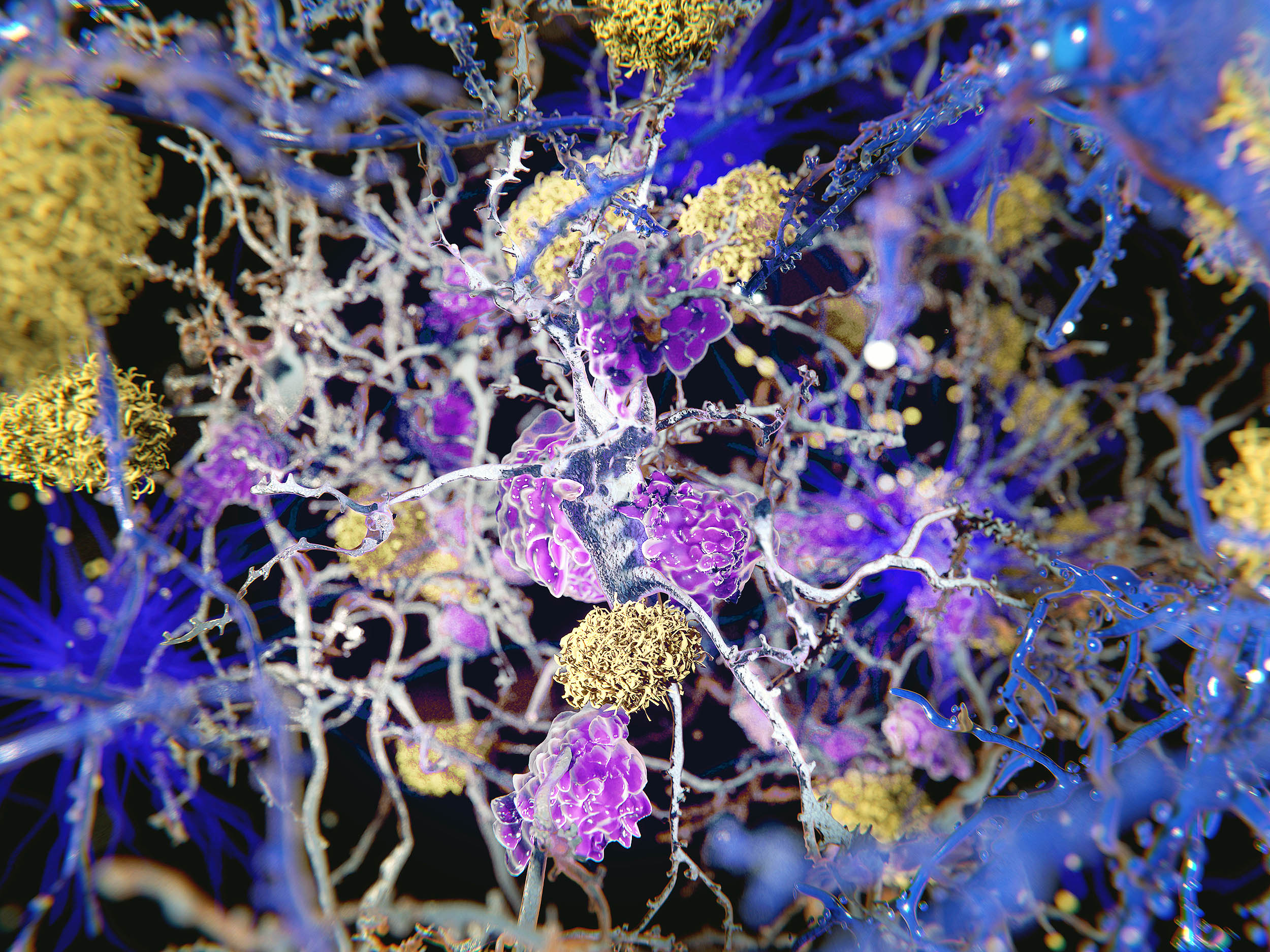
A new genomic analysis suggests that Alzheimer's disease may start in the body, rather than the brain, with inflammation in organs like the skin, lungs, or gut potentially triggering the disease. This discovery could help explain why Alzheimer's drugs have often been disappointing and may lead to new approaches to treating the disease.
Researchers at the Novo Nordisk Foundation Center for Basic Metabolic Research in Denmark have made a surprising discovery about Alzheimer's disease. They found that the earliest sparks of the disease may be caused by inflammation in 'barrier' organs like the skin, lungs, or gut, rather than in the brain. The team analyzed genetic data from over 85,000 people with Alzheimer's and 485,000 people without it. They found that many genes associated with Alzheimer's risk were active in immune cells and organs that deal with the outside world, such as the skin and lungs. This suggests that genetic variants may influence how someone's body reacts to infections or inflammatory triggers, potentially leading to a 'chain reaction' that eventually affects the brain. The study's findings could lead to new approaches to treating Alzheimer's disease.
This content was automatically generated and/or translated by AI. It may contain inaccuracies. Please refer to the original sources for verification.