Synaptics Reports Third Quarter Fiscal 2026 Results
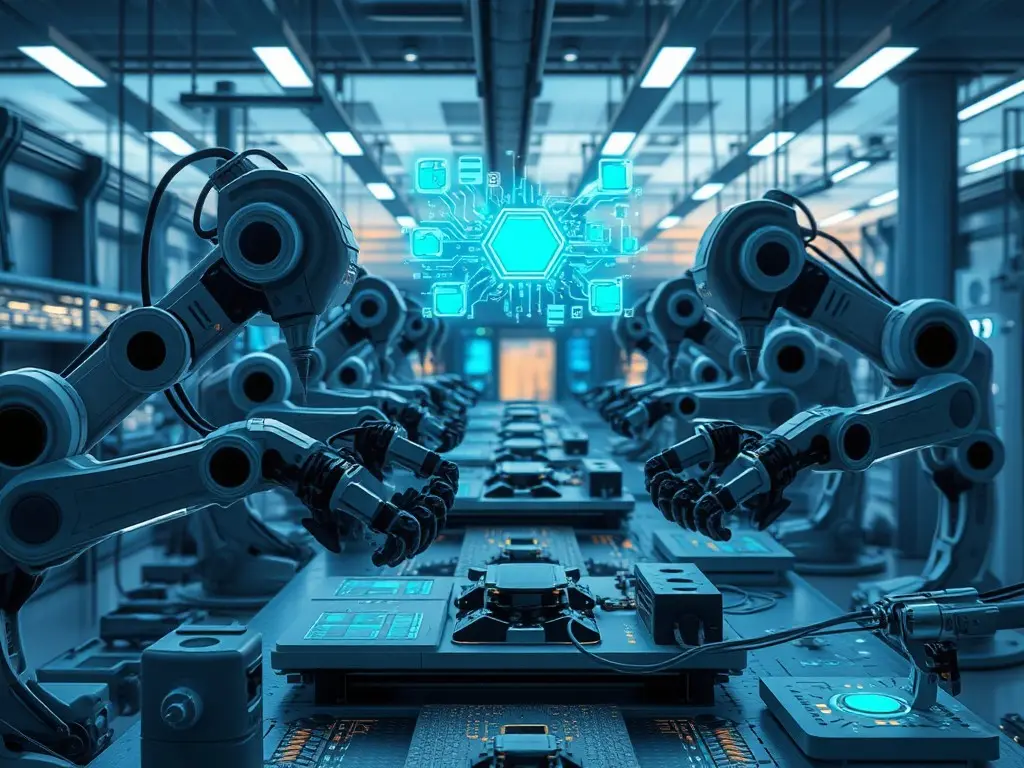
Synaptics Incorporated reported third-quarter fiscal 2026 revenue of $294.2 million, up 10% year-over-year, driven by a 31% increase in Core IoT product sales, while also highlighting growth in Physical AI and robotics design wins. The company expects full-year fiscal 2026 Core IoT revenue to exceed $385 million, with strong backlog and sequential growth projected for the fourth quarter.
Synaptics Incorporated, a Nasdaq-listed company, reported financial results for its third quarter of fiscal 2026, ending March 28, 2026. The company achieved net revenue of $294.2 million, marking a 10% year-over-year increase, with Core IoT product sales rising 31% year-over-year. GAAP net loss for the quarter was $8.0 million, or $0.21 per basic share, while non-GAAP net income reached $44.1 million, or $1.09 per diluted share. Synaptics attributed its growth to strong demand in Core IoT products and accelerating activity in Physical AI and Edge AI, noting multiple design wins in robotics. CEO Rahul Patel emphasized disciplined execution, stating that revenue, non-GAAP gross margin, and non-GAAP earnings per share all exceeded guidance midpoints. The company projects full-year fiscal 2026 Core IoT revenue to grow over 40% year-over-year, surpassing $385 million. For the fourth quarter of fiscal 2026, Synaptics expects revenue of $305 million (±$10 million), with GAAP gross margin projected at 46.0% (±2.0%) and non-GAAP gross margin at 53.5% (±1.0%). Non-GAAP operating expenses are anticipated to be $105 million (±$2 million), with non-GAAP earnings per share forecasted at $1.20 (±$0.15). The outlook reflects a healthy backlog and sequential growth, though results remain subject to macroeconomic and geopolitical uncertainties, including trade tensions and conflicts in the Middle East. Chief Financial Officer Ken Rizvi highlighted the company’s strong balance sheet, enabling continued investment in organic growth initiatives. Synaptics remains focused on capitalizing on emerging opportunities in AI-driven technologies, including Physical AI and robotics, while maintaining disciplined financial management. Forward-looking statements include potential risks from macroeconomic conditions, tariffs, and geopolitical instability, which could impact actual performance.
This content was automatically generated and/or translated by AI. It may contain inaccuracies. Please refer to the original sources for verification.