Teaching engineers ethics in the ‘Age of Algorithms’
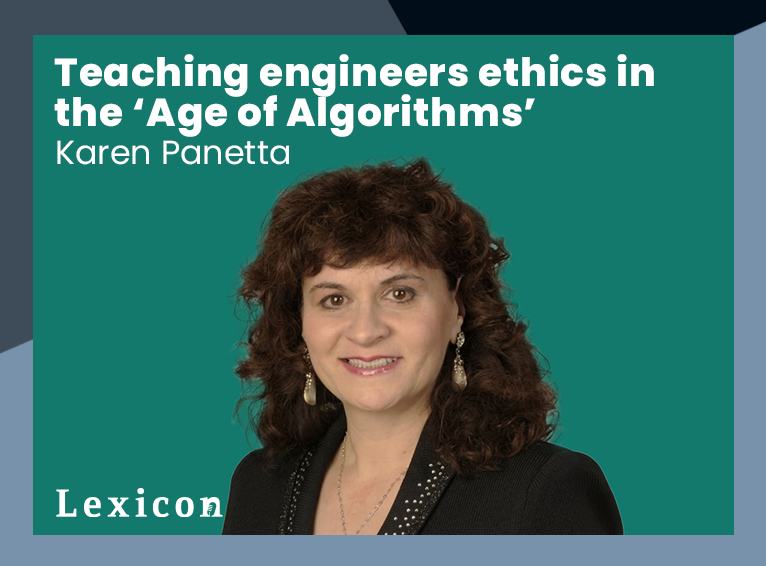
Dr. Karen Panetta, Dean of Graduate Education at Tufts University’s School of Engineering, argues that engineering education must evolve to prioritize real-world impact, user-centered design, and integrated ethics—especially in the AI era. She warns that traditional technical training fails to address modern challenges like AI misuse and emphasizes the need for consistent ethical instruction across curricula.
Dr. Karen Panetta, IEEE Fellow and Dean of Graduate Education at Tufts University’s School of Engineering, advocates for a radical overhaul of engineering education to better prepare students for the ‘Age of Algorithms.’ Current programs, she argues, overemphasize technical tools like equations and programming while neglecting context, ethics, and real-world applications. Panetta criticizes the outdated focus on isolated technical skills, comparing it to teaching students to use a hammer without addressing the broader purpose. Modern engineering, she insists, must center on societal impact—whether through humanitarian work, public safety, or health improvements. Education should now be ‘user-inspired,’ she says, requiring engineers to engage with communities to understand problems firsthand rather than imposing preconceived solutions. Ethics, Panetta warns, cannot be treated as a standalone course or checkbox. It must be woven throughout the curriculum to ensure engineers consistently consider moral implications, particularly with AI. She compares the current AI landscape to the early internet era, where rapid adoption outpaced regulations and safeguards. Without guardrails, AI risks harmful applications, such as automated decisions affecting careers or health—areas where human oversight remains critical. Panetta rejects calls to ban AI, instead advocating for ‘good AI manners’ to preserve students’ original voices and critical thinking. She notes a rise in AI-generated assignments, urging educators to foster authenticity. The goal, she says, is to empower students to use AI responsibly while retaining their unique perspectives. Tufts’ graduate programs are already adapting, integrating ethics and impact-driven learning. Panetta’s vision extends beyond Tufts, calling for systemic changes in engineering education to align with technological and societal shifts. The challenge, she argues, is ensuring engineers of the future are equipped not just with technical skills, but with the judgment to navigate ethical dilemmas in an AI-driven world.
This content was automatically generated and/or translated by AI. It may contain inaccuracies. Please refer to the original sources for verification.