Technology Helping Address Construction Labor Shortage
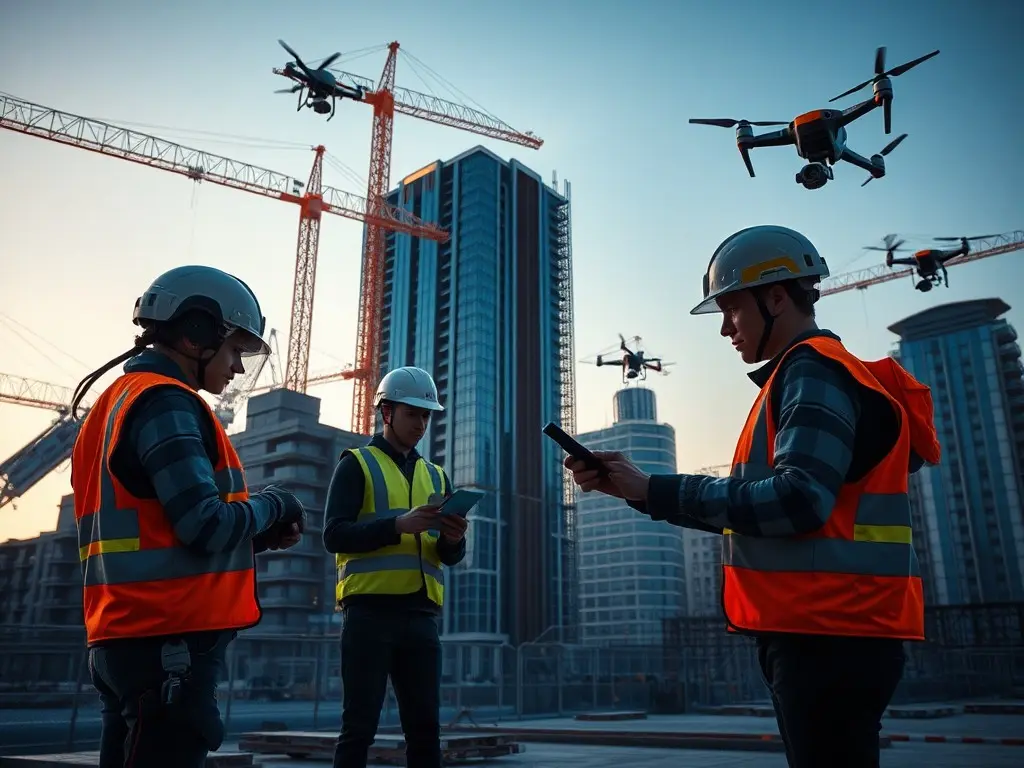
A JLL report warns the U.S. could face a $1 trillion annual economic loss by 2030 due to skilled labor shortages in construction, despite a 5% rise in trade program enrollment. Technology, including AI and robotics, is being adopted to accelerate workforce training, automate repetitive tasks, and create new job roles for younger workers.
A JLL report from April projects the U.S. could suffer a $1 trillion yearly economic loss by 2030 if labor shortages in skilled trades persist, despite a 5% increase in construction trade program enrollment from 2018 to 2024. The construction industry faces growing demand for workers, with experts warning that current enrollment growth is insufficient to offset attrition and retirement. Technology is emerging as a critical solution to bridge the skills gap. Sasha Reed, senior director of industry transformation at Procore, notes that construction is undergoing rapid digital transformation, similar to healthcare’s adoption of electronic medical records. AI is being used to digitize workflows, such as converting voice memos and forms into structured data, enabling faster onboarding of new hires by preserving institutional knowledge in a searchable format. Meanwhile, robotics is automating repetitive tasks like material handling, bricklaying, and concrete placement, freeing skilled workers to focus on high-value craftsmanship. Ryan Cox, CEO of RIC Robotics in San Jose, Calif., states that contractors benefit from increased efficiency while workers gain opportunities in robotics operations, maintenance, and programming. The evolving workforce will require both traditional trade skills and expertise in emerging technologies. Procore’s Reed emphasizes that AI accelerates workforce integration by acting as a digital assistant, helping new hires learn from experienced colleagues’ documented knowledge. Younger workers, familiar with digital tools, are increasingly drawn to construction’s tech-driven future. Cox predicts the industry will shift toward hybrid roles combining manual and robotic skills, addressing labor shortages while improving productivity.
This content was automatically generated and/or translated by AI. It may contain inaccuracies. Please refer to the original sources for verification.