Tesla insiders who trained AI warn drivers not to trust Full Self-Driving
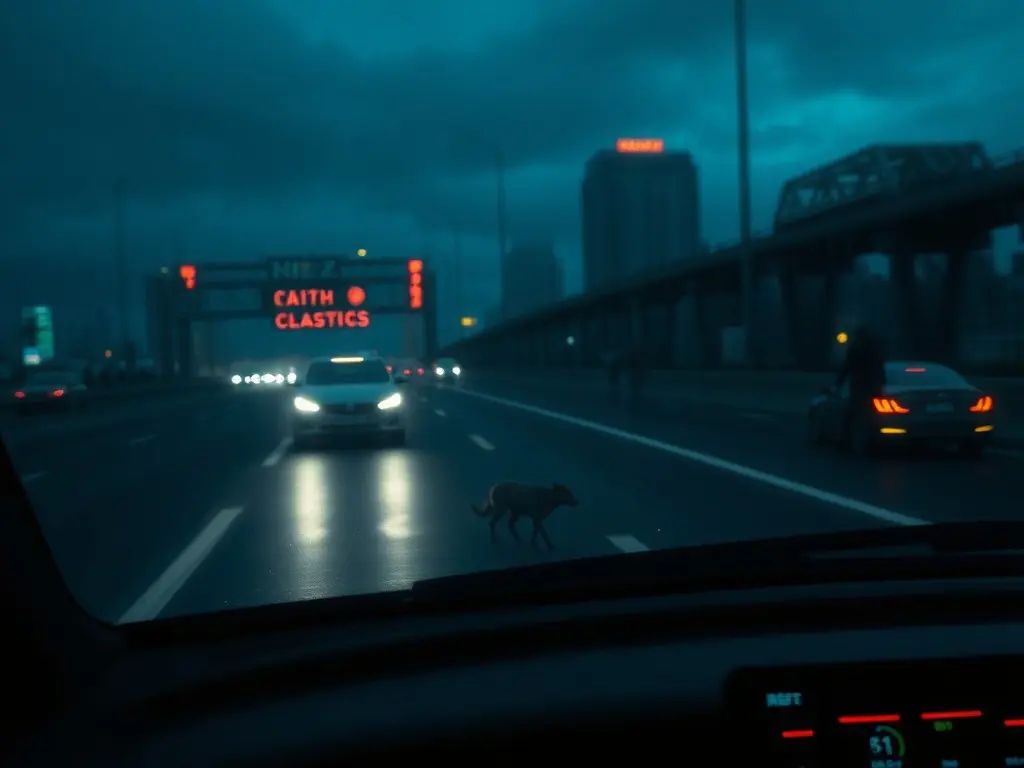
Former Tesla employees, including data labelers and a self-driving engineer, warn that Full Self-Driving (FSD) technology continues to struggle with basic tasks, including striking animals and near-misses with children, raising serious safety concerns. Reuters found Tesla’s safety claims—such as FSD being 10 times safer than human drivers—are flawed due to skewed data comparisons and outdated benchmarks, while internal safeguards for Robotaxi are unsustainable for large-scale deployment.
Former Tesla employees who trained the company’s self-driving software are warning drivers not to trust Full Self-Driving (FSD), citing repeated failures in basic maneuvers. Nine former data labelers and a self-driving engineer told Reuters they witnessed FSD striking cats, dogs, deer, and nearly hitting children, with one former labeller stating, 'We have all seen it fail.' Another refused to ride in a Tesla Robotaxi 'if you f***ing paid me,' while the former engineer called Tesla’s safety claims 'bullsh*t.' Despite Elon Musk’s repeated promises—including allowing drivers to text while using FSD—Tesla has not yet approved that feature, though Musk claimed it could happen within months. Reuters’ investigation found Tesla’s safety statistics are misleading. The company compares crash rates using only incidents severe enough to trigger airbag deployments, then benchmarks against federal data that includes all crashes requiring a tow truck. Additionally, Tesla compares its vehicles to the average U.S. car, which is significantly older and less safe than newer models. Phil Koopman, an autonomous-vehicle safety expert at Carnegie Mellon University, criticized the comparison, stating newer vehicles are inherently safer regardless of autonomous features, making Tesla’s claims deceptive. Former employees also revealed internal inconsistencies in Tesla’s public demonstrations of Robotaxi. Staff worked long hours to manually map routes and train software on specific hazards, such as a Texas pilot where human monitors rode in vehicles or worked remotely. Former employees argue these labor-intensive safeguards would be impossible to scale globally, contradicting Musk’s claims that Tesla’s camera-and-AI-based system will work worldwide without additional infrastructure. Tesla’s FSD remains controversial despite Musk’s bold promises, including his 2024 shareholders’ meeting statement that the technology could soon allow drivers to text while using it. However, six months later, Tesla has not approved texting, and internal concerns persist. Former employees question whether Tesla’s current approach—relying solely on cameras and AI—can achieve true autonomy without extensive human oversight or additional safeguards. The discrepancies between Tesla’s public claims and internal realities raise doubts about the readiness of FSD for widespread use. While Musk continues to push for rapid advancements, former employees and safety experts suggest the technology still faces significant reliability and safety challenges before it can be trusted by the public.
This content was automatically generated and/or translated by AI. It may contain inaccuracies. Please refer to the original sources for verification.