Tesla Resale Values Show Which Models Are Smart Buys Today
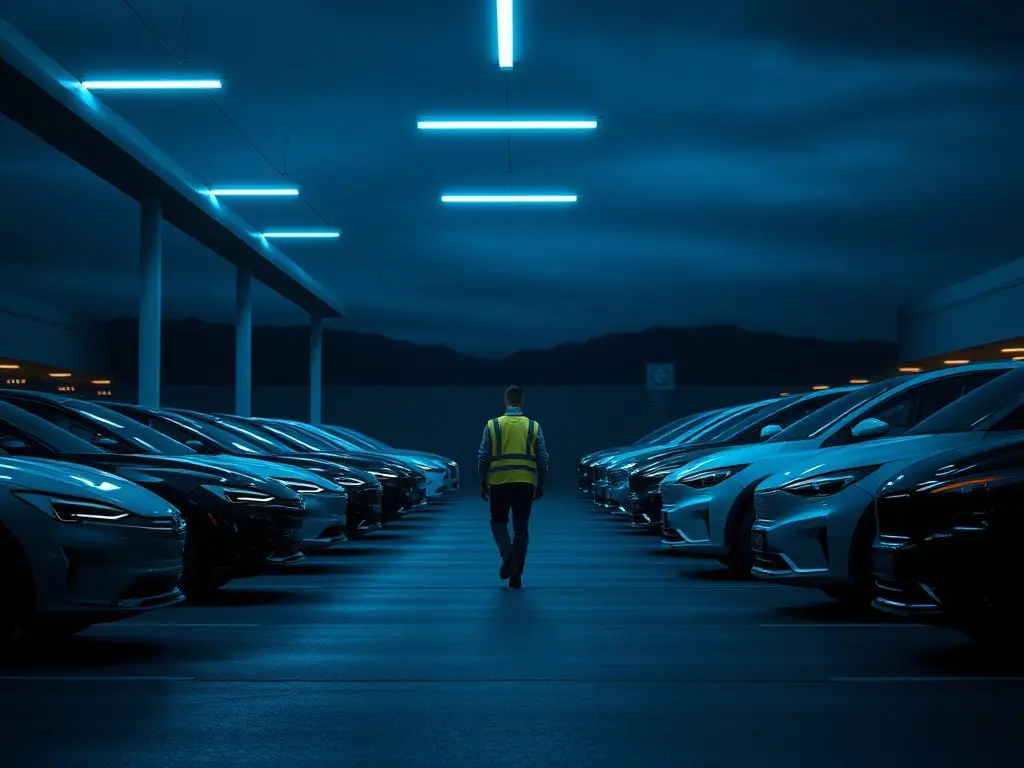
Tesla’s resale values in 2026 reveal steep depreciation, with the Model 3 retaining 45.5% and the Cybertruck 43.2% of their original value after five years due to aggressive price cuts, oversupply, and rapid tech obsolescence. Buyers now face systemic challenges like manufacturer discounts, fleet dumping, and constant software/hardware updates that accelerate EV depreciation compared to traditional vehicles.
Tesla’s resale market in 2026 reflects a stark shift from earlier years, where electric vehicles (EVs) once appreciated. Today, EVs depreciate rapidly, akin to smartphones, due to systemic factors rather than just mileage or wear. The primary driver is Tesla’s aggressive price slashing on new models, which crushes used-market values. Fleet sales from rental companies have also flooded the market with high-mileage Teslas, further depressing prices. Constant over-the-air (OTA) updates and hardware upgrades make older models obsolete quickly. Buyers prioritize the latest tech, refusing to pay premiums for outdated systems. This relentless cycle forces resale values downward, leaving owners with significant losses. Among Tesla models, the Model 3 retains 45.5% of its value after five years, the highest in the EV sector, according to *iSeeCars*. Its affordability and demand sustain liquidity, though refreshed designs and updates still erode value. The Cybertruck holds 43.2% of its value after five years, shaped by its polarizing design and initial scarcity. Early adopters paid premiums, but production scaling eliminated exclusivity, shifting perception toward utility over status. Depreciation for the Model 3 is steepest in the first three years, with nearly 55% lost value. Buying a three-year-old Model 3 aligns with the flattening depreciation curve, offering a relatively stable option. Meanwhile, the Cybertruck’s value is tied to its niche appeal, balancing robust engineering with divisive aesthetics. Both models highlight the broader challenge: EVs now lose value faster than traditional cars due to tech-driven obsolescence and market oversupply.
This content was automatically generated and/or translated by AI. It may contain inaccuracies. Please refer to the original sources for verification.