Texas company hatches live chicks from artificial eggs in breakthrough that could revive the dodo: report
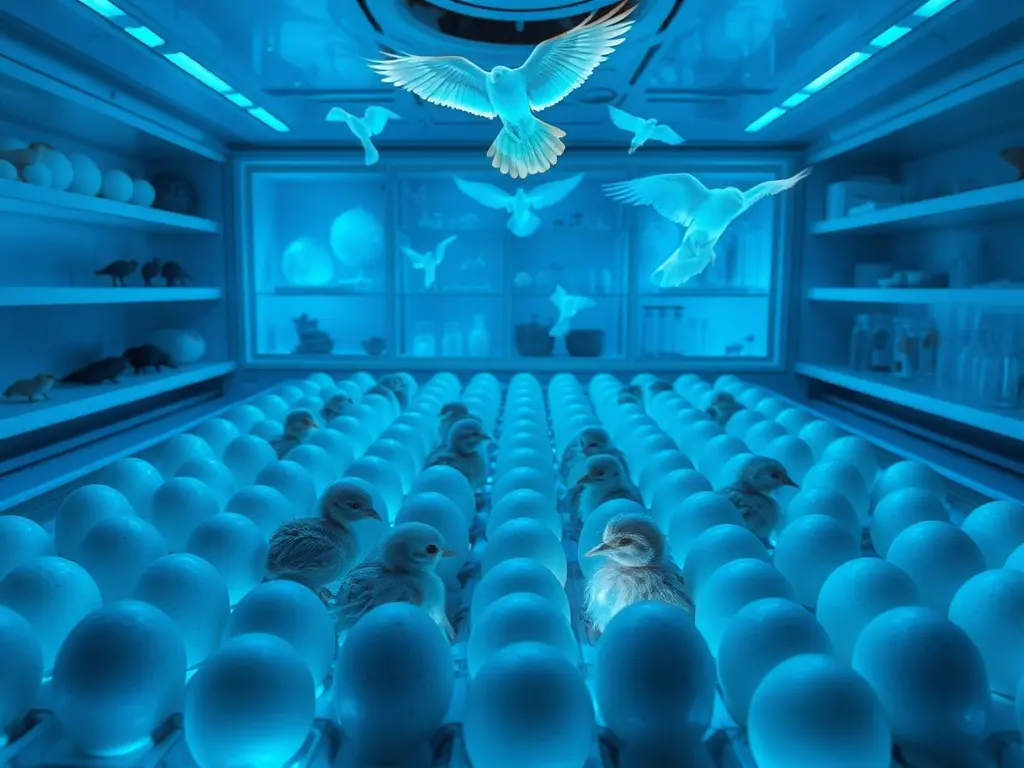
Colossal Biosciences, a Texas-based company, successfully hatched 26 live chicks using artificial titanium eggs lined with bioengineered membranes, marking a first and advancing potential de-extinction efforts for species like the dodo and giant moa. The technology, compatible with standard incubators, could improve hatch rates for endangered birds and may revive extinct species by the early 2030s, with the dodo revival targeted within four to five years, according to CEO Ben Lamm and Chief Science Officer Dr. Beth Shapiro.
A Texas-based company, Colossal Biosciences, has achieved a scientific milestone by hatching 26 live chicks from artificial eggs for the first time. The breakthrough involves reusable titanium eggs lined with a bioengineered membrane designed to replicate the oxygen transfer of natural shells. The chicks were hatched and monitored at the company’s avian facility, where they will remain indefinitely. The technology could revolutionize conservation efforts, particularly for endangered and extinct species. Colossal Biosciences aims to revive the dodo and the giant moa, a flightless bird once weighing up to 500 pounds in New Zealand, which was hunted to extinction centuries ago. The artificial eggs are compatible with standard incubators and may support larger eggs, such as those of emus and ostriches, which the company plans to test next. The project is a collaboration with New Zealand’s Ngāi Tahu Research Centre and filmmaker Peter Jackson, who is also an investor in Colossal Biosciences. CEO Ben Lamm stated the company expects the moa revival by the early 2030s and the dodo revival within four to five years. Chief Science Officer Dr. Beth Shapiro noted that the artificial egg addresses long-standing challenges in avian reproductive development, which has lagged behind mammalian systems. The technology’s success marks a significant step forward in de-extinction research, offering potential solutions for preserving biodiversity and restoring species lost to human activity.
This content was automatically generated and/or translated by AI. It may contain inaccuracies. Please refer to the original sources for verification.