The 2026 World Cup Will Feature a Villainous Player: Extreme Heat
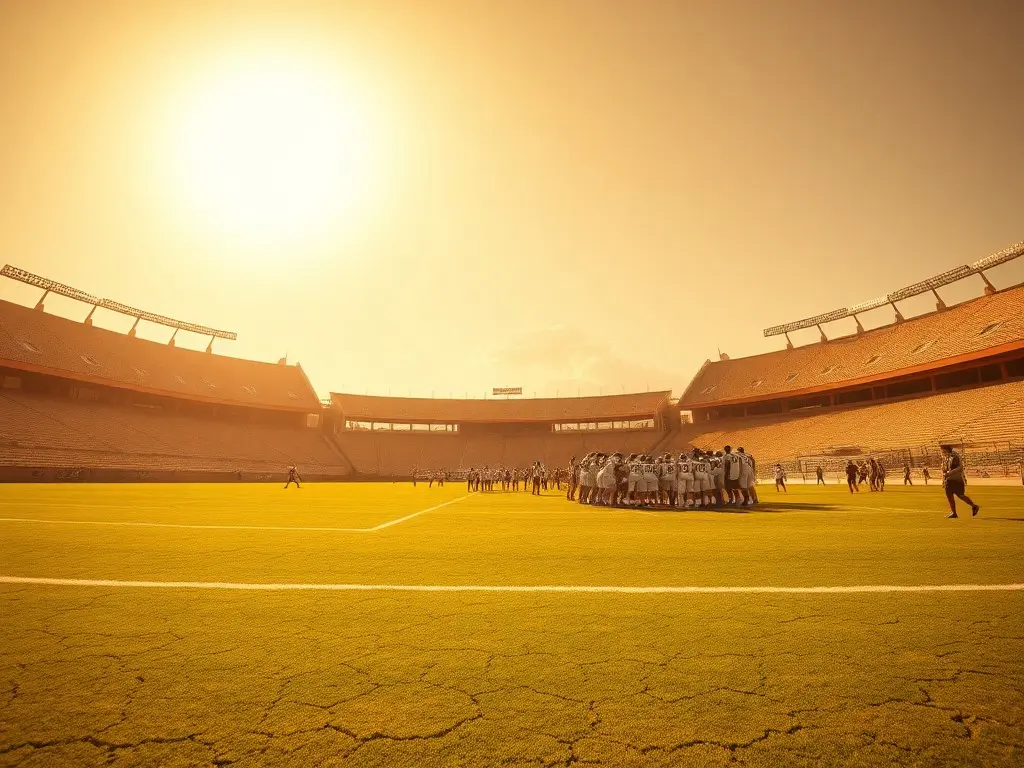
Researchers warn the 2026 FIFA World Cup in the U.S., Mexico, and Canada could see five games played under unsafe heat conditions due to climate change, exceeding thresholds that may require postponements. Current and former players urge FIFA to update heat guidelines and reduce its fossil fuel footprint ahead of the tournament.
A new report from Imperial College London predicts that the 2026 FIFA World Cup, hosted across 16 cities in the U.S., Mexico, and Canada, will face heightened risks from extreme heat compared to past tournaments. Five matches could occur under unsafe conditions, with wet bulb globe temperatures reaching 28 degrees Celsius (83 degrees Fahrenheit), a threshold that may necessitate postponements according to FIFPRO, the international players’ union. FIFA currently delays games only when temperatures exceed 32 degrees Celsius (90 degrees Fahrenheit). The study highlights how climate change has increased the likelihood of dangerous heat, with the final match at MetLife Stadium in New Jersey facing a 3 percent chance of exceeding the 28-degree threshold. Researchers emphasize that humidity, sun exposure, and wind play critical roles in heat stress, as dry, breezy conditions differ drastically from stagnant, humid environments. Chris Mullington, a consultant anesthetist involved in the report, noted that high humidity impairs sweat evaporation, the body’s primary cooling mechanism. Sixty professional soccer players from around the world signed an open letter calling on FIFA to update its heat guidelines and address climate change by cutting fossil fuel sponsorships and adjusting schedules to reduce travel emissions. The players described symptoms of heat stress, including dizziness, fatigue, and muscle cramps, warning that extreme conditions could reduce performance and intensify risks for players. Friederike Otto, a climate scientist at Imperial College London, stated that the World Cup Final itself—one of the largest sporting events globally—now carries a measurable risk of being played under ‘cancellation-level’ heat. She urged FIFA and fans to recognize climate change’s broader societal impact, as no sector remains unaffected. The report aligns with growing concerns about hosting major sporting events during peak summer months in vulnerable regions.
This content was automatically generated and/or translated by AI. It may contain inaccuracies. Please refer to the original sources for verification.