The $365 Million Race To Drone-Proof The World Cup
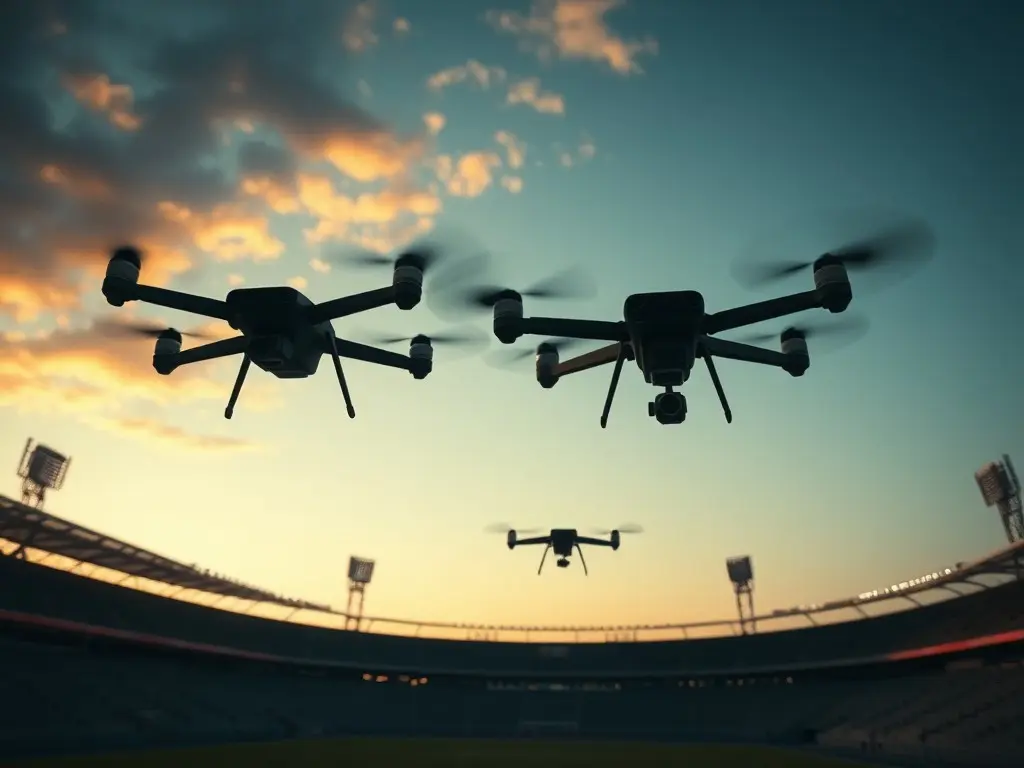
The U.S. government is investing $365 million in drone security for the 2024 World Cup, deploying systems like Fortem’s DroneHunter and Ondas’ Sentrycs to counter unauthorized drones at stadiums. The move follows rising threats from cheap, autonomous drones used in conflicts like Ukraine and Iran, prompting new laws to allow law enforcement to disable suspicious aircraft mid-flight.
The U.S. government is allocating $365 million to protect the 2024 World Cup from drone threats, with $250 million from FEMA and $115 million from the Department of Homeland Security (DHS) covering 11 host states. Companies like Utah-based Fortem Technologies and Ondas Holdings, valued at $6.7 billion, will deploy counter-drone systems at stadiums such as MetLife in New Jersey and AT&T Stadium in Dallas. Fortem’s DroneHunter uses radar to detect unauthorized drones and captures them midair with a net, while Ondas’ Sentrycs system passively monitors drone signals and can override autopilot to land suspicious aircraft safely. The security measures follow recent drone attacks in Ukraine and Iran, where cheap, autonomous drones have disrupted military operations and civilian infrastructure. In March, an Iranian drone attack near an ATP tennis event in the UAE sparked a fire, highlighting the growing threat. The Pentagon’s proposed $74 billion drone-related budget reflects this urgency, as lawmakers and event organizers prioritize proactive defense over reactive measures. Until December 2023, U.S. law restricted law enforcement from disabling drones under the Aircraft Sabotage Act, treating them like aircraft. A new law now allows specially trained officers to detect and neutralize threatening drones at high-risk sites, including airports and major events. Ondas CEO Eric Brock warned that the U.S. faces significant vulnerabilities, comparing the risk to a potential ‘9/11 event’ if drone threats escalate unchecked. Fortem CEO Jon Gruen noted that high-profile attacks, like Iran’s strikes on civilian targets, have increased public awareness and political pressure to strengthen defenses. The technology tested during the World Cup could set a precedent for future high-profile events, including America’s 250th anniversary celebrations and the 2028 Los Angeles Olympics. DHS emphasized that unauthorized drones endanger aviation safety, law enforcement, and public safety, justifying the aggressive investment. FIFA did not respond to requests for comment, but the U.S. government’s response underscores the evolving nature of drone warfare and its impact on global security.
This content was automatically generated and/or translated by AI. It may contain inaccuracies. Please refer to the original sources for verification.