The AI Boom Has A Blue-Collar Bottleneck
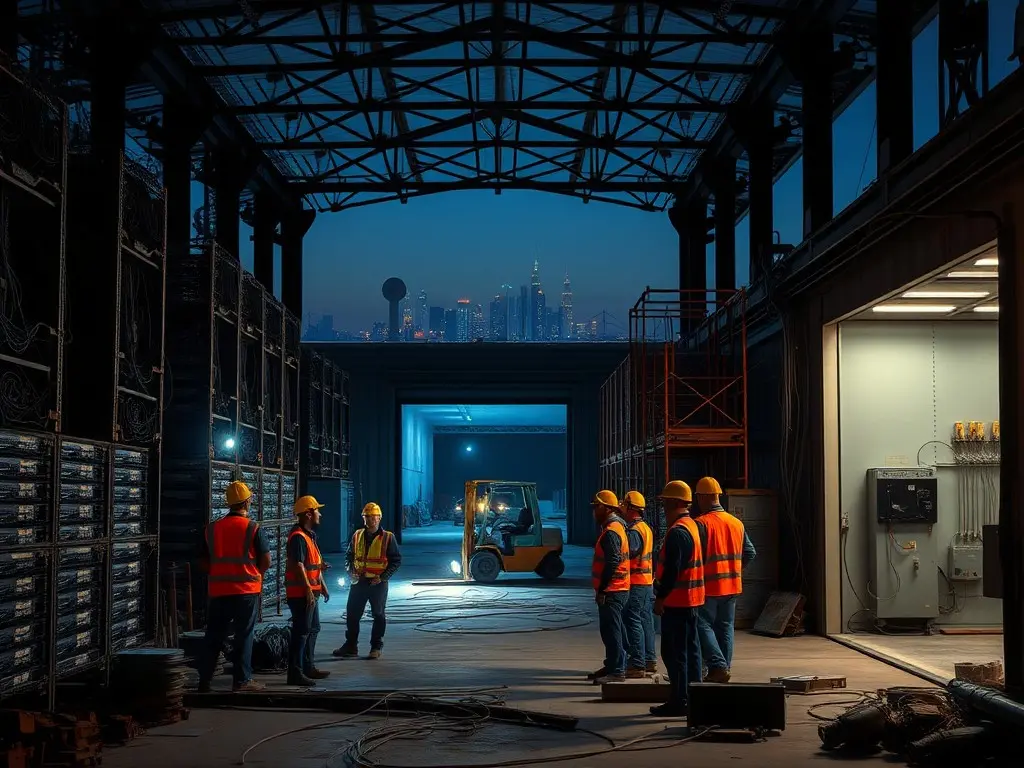
The AI industry faces a critical shortage of skilled blue-collar workers like electricians, substation technicians, and construction crews, needed to build and maintain the power infrastructure for data centers. Goldman Sachs estimates the U.S. power sector will require 510,000 additional workers by 2030, while retirement of experienced workers and rising demand from AI and other sectors worsen labor constraints, risking project delays.
The rapid expansion of artificial intelligence is creating a hidden labor shortage in the power sector. While discussions often focus on chips, data centers, and electricity demand, the industry now lacks the skilled workers—electricians, line workers, substation technicians, and construction crews—to build and maintain the necessary infrastructure. Every AI facility requires transformers, substations, backup generation, and cooling systems, all of which depend on trained personnel. Reuters reports that the rush to construct data centers is intensifying shortages of power and grid workers, with many experienced professionals nearing retirement. This creates delays, as capital, power agreements, and equipment alone cannot accelerate projects without available labor. Goldman Sachs projects U.S. data center power demand will surge from 31 gigawatts in 2025 to 66 gigawatts by 2027, requiring massive expansion of generation, transmission, and backup systems. The firm estimates the U.S. power sector will need 510,000 additional workers by 2030, while Europe faces a demand for 250,000 more. These shortages extend beyond AI, as data centers, utilities, renewable developers, and manufacturers compete for the same skilled workforce. The Bureau of Labor Statistics forecasts 9% growth in electrician employment by 2034, with 81,000 annual openings, many due to retirements. For electrical power-line installers, growth is projected at 7%, with 10,700 openings yearly. However, training qualified workers takes time, and experienced professionals are often essential for complex projects. The labor shortage poses risks beyond delays—it could drive up costs and utility bills as competition for skilled workers intensifies. Without addressing this bottleneck, the AI boom’s physical infrastructure needs may outpace the available workforce, threatening the timeline for new facilities. The issue underscores that AI’s growth is not just a digital challenge but also a physical one, dependent on a steady pipeline of trained professionals.
This content was automatically generated and/or translated by AI. It may contain inaccuracies. Please refer to the original sources for verification.