The areas where thousands face water shortages in record heatwave
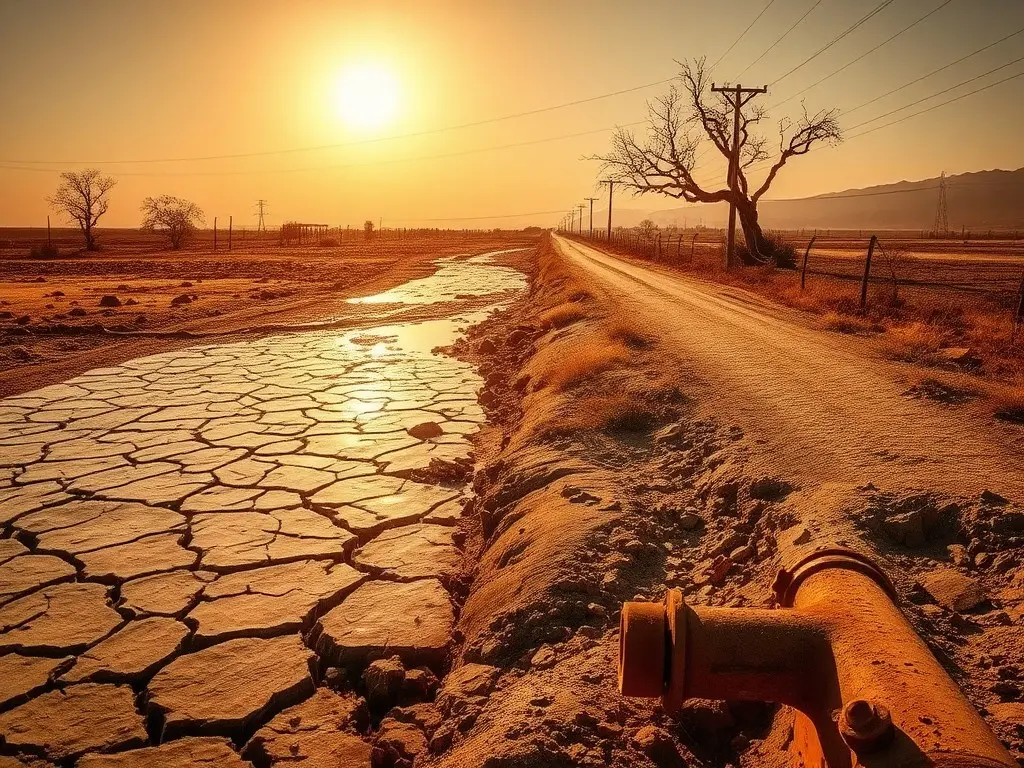
Over 20,000 households in Kent and Sussex face water shortages due to South East Water’s infrastructure failures amid record heat, with intermittent supply expected to persist. Experts warn the UK’s water systems are unprepared for extreme heat, which is becoming more frequent with climate change, while Thames Water urges customers to reduce usage to avoid further disruptions.
Over 20,000 properties in Kent and Sussex are experiencing water shortages this weekend as South East Water (SEW) struggles to meet demand during record-breaking temperatures, with some areas like Whitstable and Ashford seeing no supply. SEW attributes the issue to its inability to treat enough water during extreme heat, leaving around 3,500 homes in Whitstable and 200 in Cranbrook without water as of Friday, while 9,000 others face intermittent supply in locations including Ulcombe and Herne Bay. The heatwave, which saw temperatures reach 35°C earlier this week, has exacerbated the problem, with SEW warning of continued disruptions over the coming days. Thames Water has also urged customers to limit water use for non-essential tasks like gardening and car washing, following a 1 billion litre spike in demand over the bank holiday weekend compared to last year. Hannah Cloke, regius professor in meteorology and climate science at the University of Reading, stated that the UK’s water infrastructure is more vulnerable than it should be to extreme heat. She emphasized that water companies must prepare for such events, as early-season heatwaves are expected to become more common due to climate change. Cloke also noted that while river and reservoir levels remain stable for now, prolonged dry conditions could worsen the situation. A report by the Environment, Food and Rural Affairs Select Committee earlier this month found SEW had ‘comprehensively failed’ to monitor risks and maintain its assets, highlighting repeated water cuts in recent years, including a December incident affecting 25,000 properties for nearly a week. Customers expressed frustration, with Julie Wassmer, a leader of the Boycott Water Bills campaign, reporting no water for cooling despite being on SEW’s priority list due to her husband’s health needs. While widespread shortages remain unlikely due to current reservoir levels, experts caution that another heatwave could trigger localized issues if water companies fail to adapt. Cloke stressed that reliable water supply is fundamental and must be prioritized as climate change increases the frequency of extreme weather events.
This content was automatically generated and/or translated by AI. It may contain inaccuracies. Please refer to the original sources for verification.