The business blueprint for the Atlanta we know today
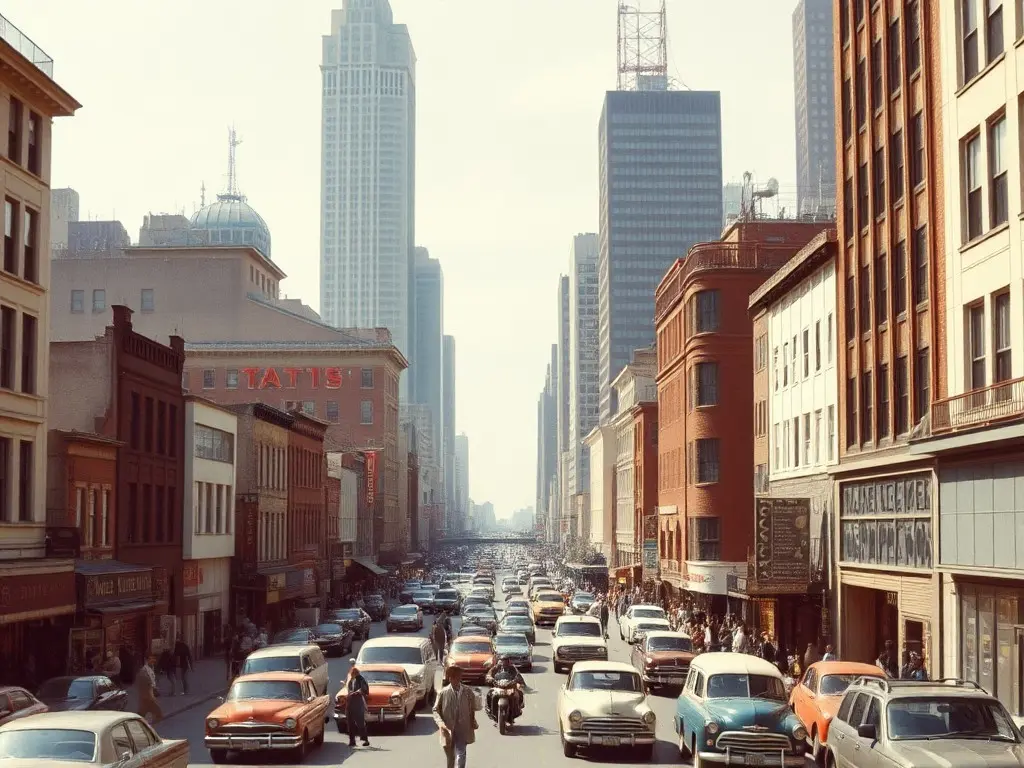
Atlanta's business leaders in the 1960s, led by Ivan Allen Jr., implemented a six-point platform that shaped the city's growth and progress. The city's business elite played a significant role in its development until the 1970s, when the dynamic shifted with the election of Maynard Jackson as the first Black mayor.
In the 1960s, Atlanta's business leaders, including the heads of Georgia-based banks and Coca-Cola mogul Robert W. Woodruff, made key decisions. Ivan Allen Jr., who later became mayor, led the Atlanta Chamber of Commerce and implemented a six-point platform for progress, including integrating public schools and expanding highways. Allen built bridges between Black and White communities, establishing open lines of communication between businessmen, civil rights leaders, and historically Black colleges and universities. The business community's influence waned in the 1970s with the election of Maynard Jackson as mayor. New companies, such as The Home Depot and Turner Broadcasting System, entered the Atlanta market, contributing to the city's growth. The 1990s saw the culmination of these investments, with Atlanta hosting the Super Bowl, the World Series, and the Summer Olympic Games.
This content was automatically generated and/or translated by AI. It may contain inaccuracies. Please refer to the original sources for verification.