The Charging Battles In Europe Are Over, USB-C Won
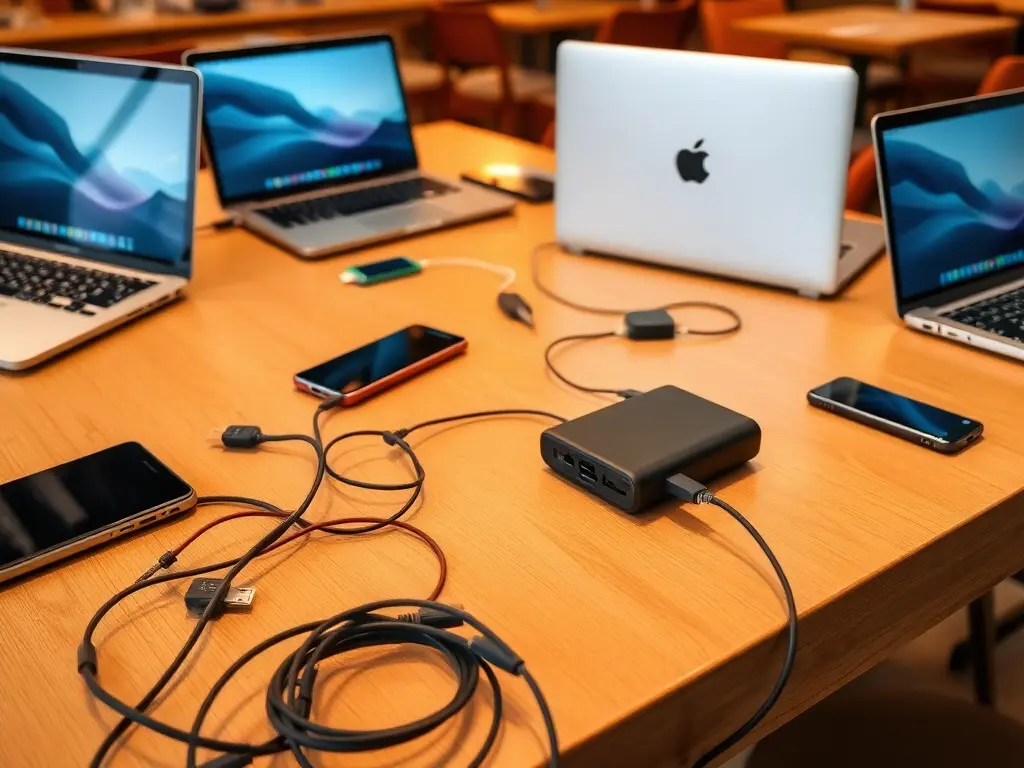
The EU's common charging standard for laptops has taken effect, bringing benefits to consumers who no longer need to worry about proprietary charging cables and ports. The move to USB-C is expected to drive innovation in charging technology and increase competition among manufacturers.
The EU's common charging standard for laptops has taken effect, following a similar mandate for mobile phones, tablets, and other devices. Consumers are no longer restricted to proprietary charging cables and ports, eliminating the need to worry about losing or replacing chargers while traveling. The move to USB-C is expected to drive innovation in charging technology, with manufacturers competing on efficiency and charging speeds rather than proprietary connectors. Third-party accessory manufacturers can now innovate using the USB-C standard, building smaller, faster, and more desirable chargers. Laptop manufacturers have joined the masses, and consumers now have a better environment with a universal standard. The EU mandate also required manufacturers to offer 'no charger' variants of their hardware, eliminating the need for consumers to bring another charger home.
This content was automatically generated and/or translated by AI. It may contain inaccuracies. Please refer to the original sources for verification.