The class of 1976 lost the ball
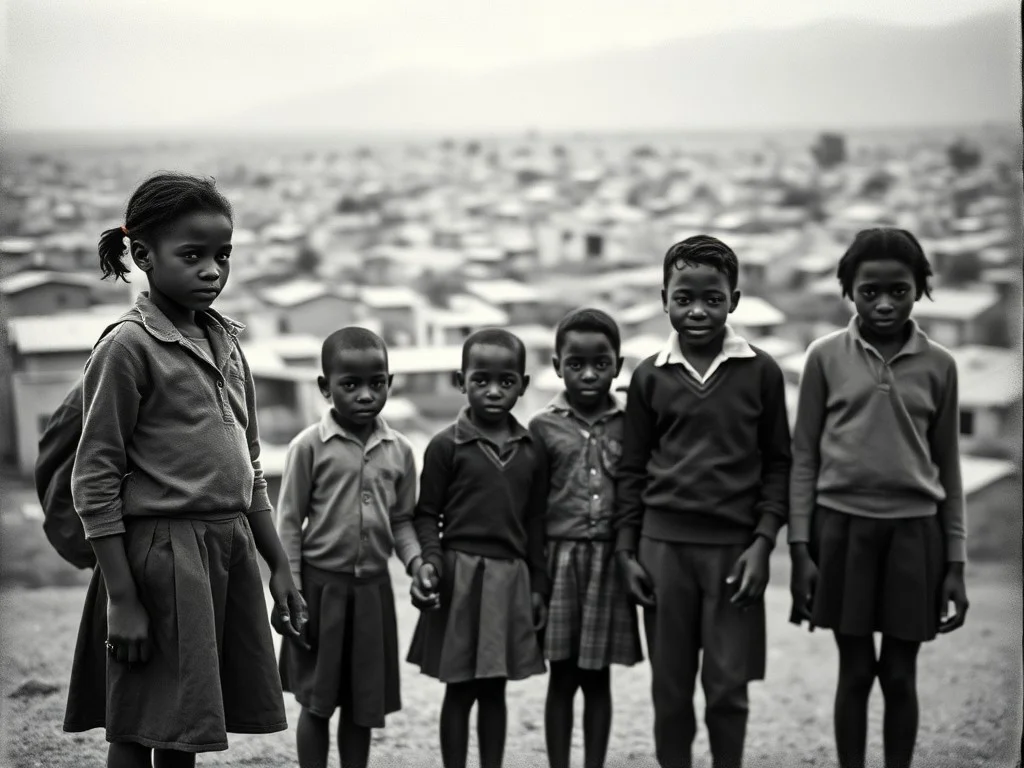
The 1976 Soweto uprising, led by students against apartheid, marked a significant moment in South African history, but the goals of equal rights and one person one vote remain unfulfilled. The initial post-apartheid electoral laws have remained unchanged, with citizens unable to directly choose their representatives.
In 1976, students at Morris Isaacson High School in Soweto rose up against the apartheid state's introduction of Afrikaans as a medium of instruction. The uprising was part of the Black Consciousness Movement, which aimed to establish one person one vote and equal rights for all South Africans. After the first democratic elections in 1994, the class of 1976 and the BCM were scattered across various political parties. Despite initial hopes for change, the goal of equal rights remains elusive. The 1994 electoral laws, intended to be temporary, have been retained for three decades. An Electoral Task Team in 2003 proposed alternative electoral laws, including a system where citizens could choose representatives by name, but these were not adopted.
This content was automatically generated and/or translated by AI. It may contain inaccuracies. Please refer to the original sources for verification.