The Climate Threat
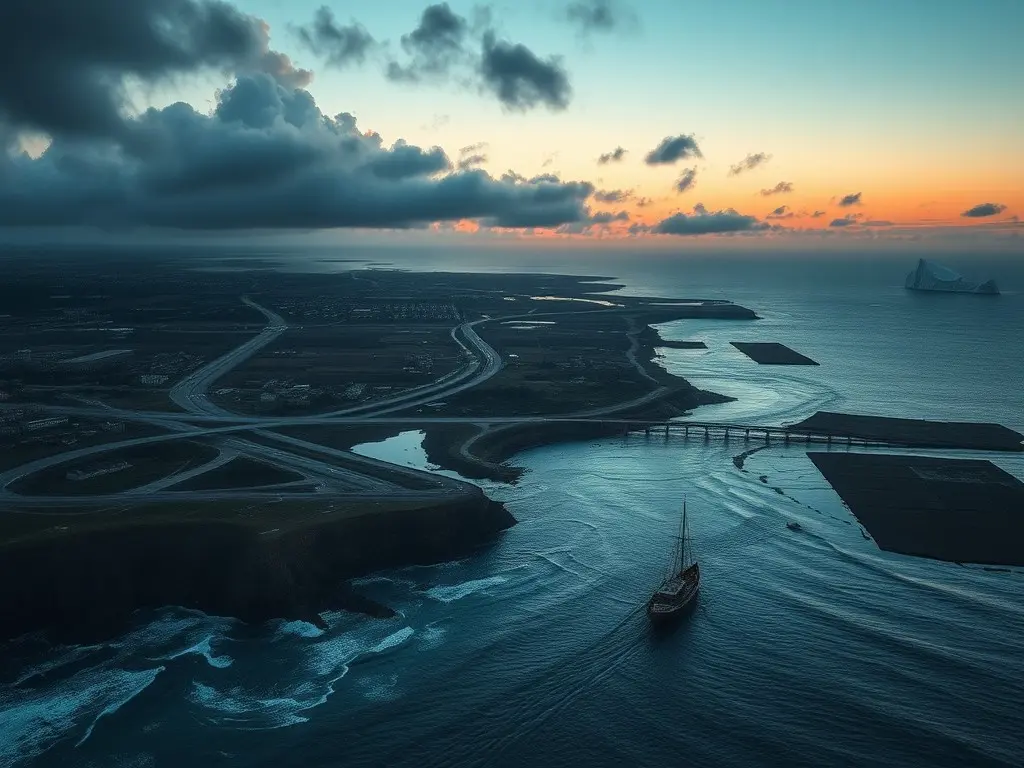
A 2026 review found 37% more land and over 100 million more people at risk from rising sea levels than previously estimated, with global sea-level rise doubling since 1993. Climate change threatens U.S. coastal infrastructure, military bases, freshwater supplies, and global migration patterns, potentially destabilizing regions like the Arctic and South Asia.
Climate change is reshaping global geography, with rising seas posing an escalating threat. A 2026 study of nearly 400 scientific publications revealed that 37% more land and over 100 million more people are at risk from coastal flooding than previously estimated, due to underestimated sea-level heights. Satellite data from 1993 to 2023 showed the rate of global sea-level rise has doubled, accelerating coastal erosion and infrastructure damage. In the U.S., over 1,700 military installations in coastal areas face risks from sea-level rise and extreme weather, threatening operations and security. Without adaptation measures like seawalls or salt-tolerant crops, millions in vulnerable regions may be forced to relocate. The Arctic is also shifting, with melting ice opening new economic and military opportunities for Russia and China, while the U.S. lags in icebreaker capabilities. Climate-driven migration is expected to intensify, displacing populations due to droughts and flooding, which could spark instability beyond affected countries. Freshwater supplies are under threat as transboundary rivers and aquifers face altered flows, straining existing water treaties and increasing conflict risks, particularly in regions like the Indus River basin shared by India and Pakistan. The interplay of rising seas, extreme weather, and resource scarcity is redrawing global power dynamics, with military, economic, and diplomatic consequences. Adaptation efforts remain critical to mitigate risks, but current trends suggest unpreparedness in key areas, including Arctic military readiness and coastal resilience.
This content was automatically generated and/or translated by AI. It may contain inaccuracies. Please refer to the original sources for verification.