The CVT Transmission Reality Hybrid Buyers Are Starting To Accept
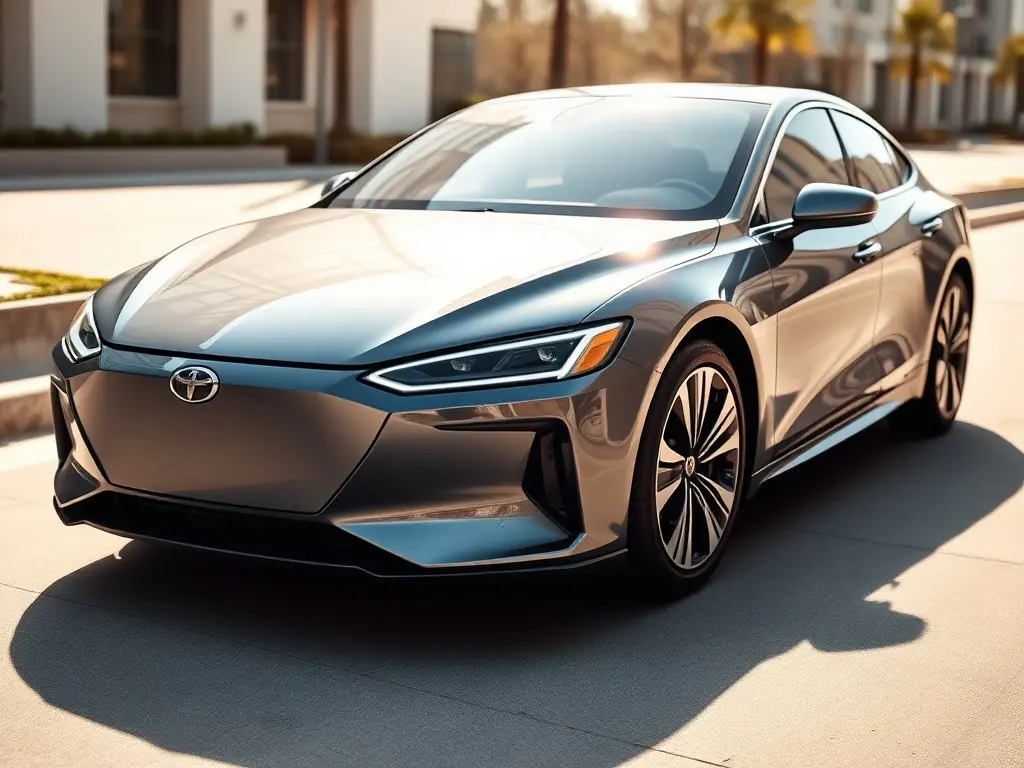
Used-car buyers often avoid CVT transmissions due to reliability concerns, but not all CVT systems are equal—Nissan’s Jatco belt CVTs faced widespread complaints and lawsuits, while Toyota’s hybrid e-CVT operates differently with a power split device and electric motor, avoiding traditional belt-driven issues. Subaru’s Lineartronic CVTs also had warranty extensions due to reported problems, though Toyota’s e-CVT design has not faced the same level of criticism.
CVT transmissions have long been a concern for used-car shoppers, often linked to issues like engine noise, erratic acceleration, and costly repairs. Nissan’s Jatco belt CVTs, used in models such as the Rogue, Sentra, and Altima, became infamous for overheating, shuddering, and electronic failures, leading to class-action lawsuits and extended warranty coverage for affected vehicles. Nissan settled claims for 2014–2018 Rogues, Sentras, Versas, and Altimas, extending transmission warranties to 84 months or 84,000 miles. Subaru’s Lineartronic CVTs also faced scrutiny, prompting warranty extensions for 2010–2018 models in the U.S. and Canada. However, not all CVTs share the same flaws. Toyota’s hybrid e-CVT differs fundamentally from traditional belt-driven designs, using a power split device, electric motor, and generator instead of variable pulleys or metal belts. This system reallocates power from the engine through planetary gears, eliminating the mechanical wear associated with conventional CVTs. As a result, Toyota’s e-CVT has avoided the reliability issues plaguing Nissan and Subaru models, offering a smoother and more durable alternative for hybrid vehicles like the Prius. The stigma against CVTs stems from early adoption by automakers like Nissan, which aggressively implemented Jatco units across multiple models. Complaints about shuddering, hesitation, and limp mode failures led to widespread distrust, even though newer designs—such as Toyota’s e-CVT—operate on entirely different principles. Subaru’s Lineartronic CVTs also suffered from reliability concerns, though to a lesser extent than Nissan’s, contributing to the broader industry skepticism. For buyers considering a used vehicle with a CVT, understanding the specific type is crucial. Nissan and Subaru’s belt-driven systems have historically underperformed, while Toyota’s hybrid e-CVT leverages electric assistance to mitigate traditional CVT weaknesses. The shift toward more advanced transmission technologies suggests that not all CVTs are created equal, and consumer perception may need to evolve alongside automotive innovation.
This content was automatically generated and/or translated by AI. It may contain inaccuracies. Please refer to the original sources for verification.