The Devastating Environmental Impact of Israeli Attacks in South Lebanon: A Crisis Unfolding
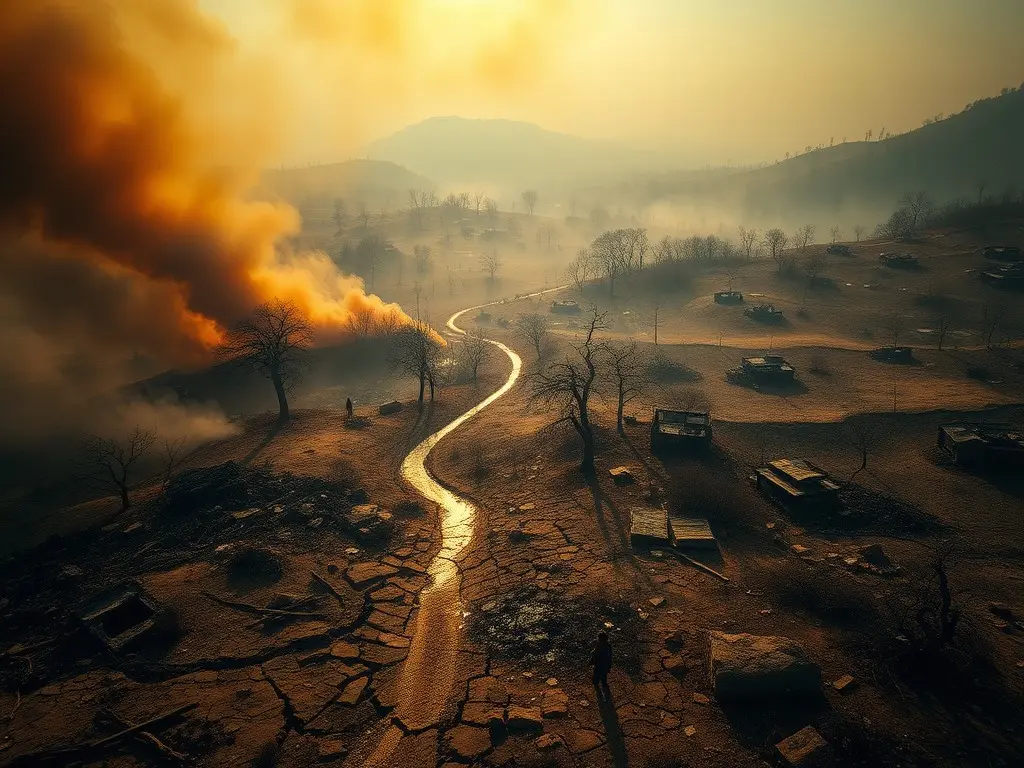
Israeli attacks in South Lebanon have caused severe environmental damage, including agricultural destruction, toxic rubble, and white phosphorus contamination, threatening food security and public health. Reports indicate 30% of Lebanon’s agricultural land was damaged in the 2006 war, while toxic debris and white phosphorus use pose long-term health risks to residents, particularly children.
The ongoing conflict in South Lebanon has led to catastrophic environmental damage from Israeli attacks, including the destruction of agricultural lands, toxic rubble, and the use of white phosphorus. The region, historically rich in farming and natural resources, has suffered repeated military engagements since the 1982 Lebanon War, leaving behind ecological crises often overshadowed by human casualties. Agricultural fields have been devastated, with Greenpeace reporting entire crops and irrigation systems destroyed, severely impacting food security. The 2006 Lebanon War alone damaged or destroyed around 30% of Lebanon’s agricultural land, causing economic losses and skyrocketing food prices. Farmers now struggle to sustain livelihoods, worsening regional food shortages. Toxic rubble from bombed buildings poses hidden hazards, contaminating soil and water supplies with heavy metals like lead. The Lebanese Ministry of Health found elevated lead levels in areas with heavy bombing, leading to increased lead poisoning cases among children. Residents, especially vulnerable populations, face long-term health risks from exposure to these toxins. The use of white phosphorus in military operations has further exacerbated environmental harm, leaving behind hazardous residues that persist in the environment. These chemicals contaminate farmland and water sources, posing immediate and long-term threats to public health. The cumulative effects of these environmental damages create a humanitarian crisis that demands urgent attention beyond the immediate conflict. Environmental organizations emphasize the need for sustainable recovery efforts to address the ecological fallout. Without intervention, the region’s agricultural and public health systems may face irreversible damage, compounding the suffering of its population.
This content was automatically generated and/or translated by AI. It may contain inaccuracies. Please refer to the original sources for verification.