The FAA wants to use AI for your flight. Here's why.
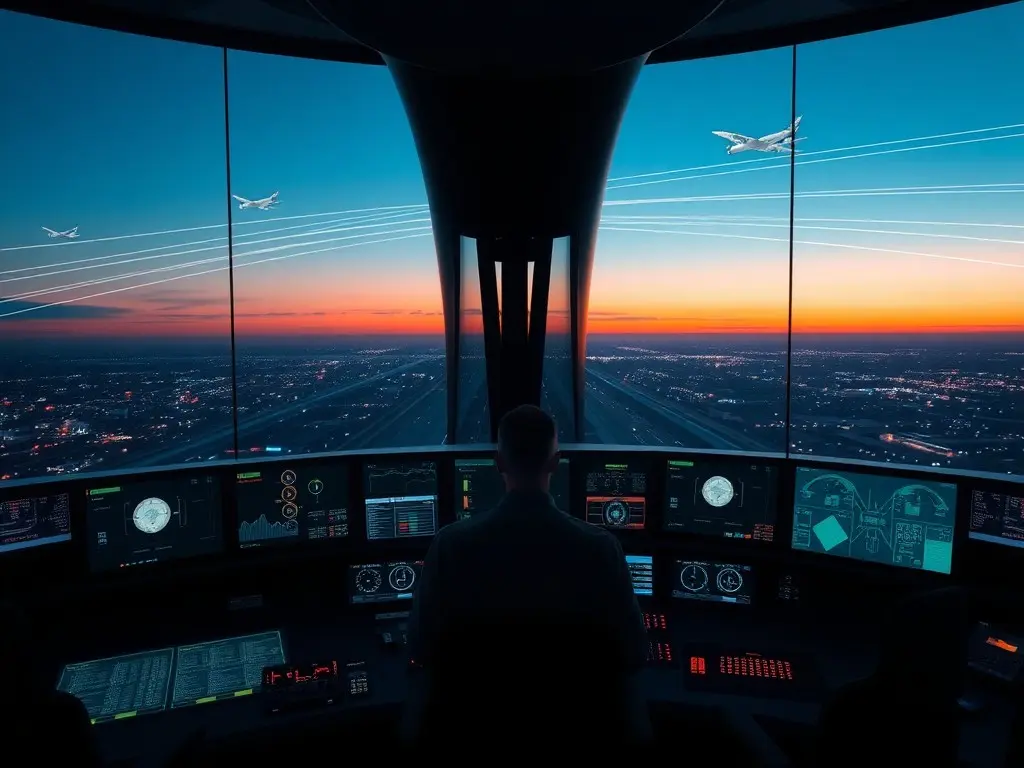
The Federal Aviation Administration (FAA) is turning to AI to address its data overload, aiming to improve predictive safety analysis in aviation. AI tools are already being used to optimize flight schedules, analyze incident reports, and refine traffic regulations, though human oversight remains critical in decision-making.
The Federal Aviation Administration (FAA) faces a significant challenge with the vast amount of data generated by flights, which complicates efforts to identify safety trends. While aviation remains statistically safe, critics like National Transportation Safety Board Chair Jennifer Homendy and former DOT Inspector General Mary Schiavo have highlighted the agency’s struggles with data utilization, calling it the 'tombstone agency' for its reactive approach to accidents. To address this, the FAA is adopting artificial intelligence to enhance predictive safety analysis. AI tools are already in use, such as post-crash evaluations after the 2025 DCA midair collision, where AI helped determine helicopter traffic restrictions near airports. The technology also processes incident reports and optimized flight schedules during the 2025 government shutdown, though decisions are always validated by human analysts. FAA Deputy Associate Administrator Jodi Baker emphasized that AI serves as a decision-making aid, not a replacement for human judgment. It is trained on FAA data systems and used to standardize qualitative data, such as resolving inconsistencies in aircraft naming conventions across reports. Baker noted that AI reduces manual data-cleaning tasks, allowing analysts to focus on actionable insights. The agency’s approach ensures AI remains controlled and transparent, with human oversight at every stage. Baker stated that AI is not autonomous but a tool to help analysts extract intelligence from complex datasets. This shift aligns with broader aviation industry goals to leverage technology for proactive safety measures amid rising travel volumes and high-profile incidents. While AI adoption is still evolving, the FAA’s cautious integration reflects its commitment to maintaining safety without compromising human expertise. The technology’s role in aviation could redefine how data is analyzed, potentially preventing future accidents by identifying risks before they materialize.
This content was automatically generated and/or translated by AI. It may contain inaccuracies. Please refer to the original sources for verification.