The Future of AI and Trade
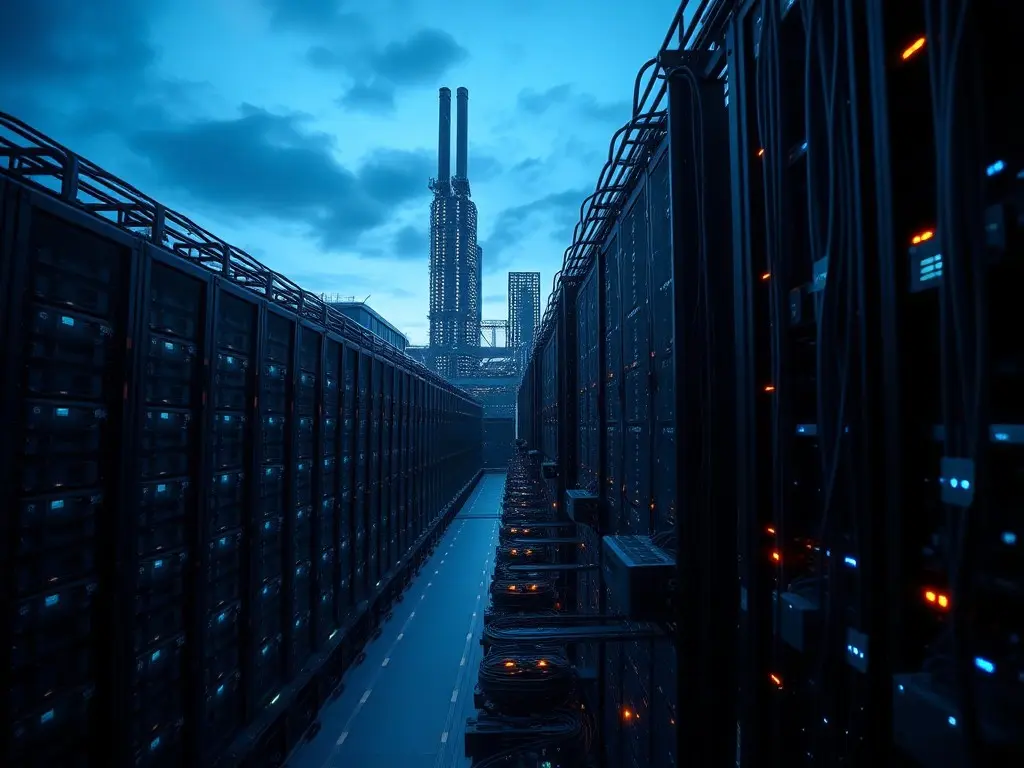
McKinsey Global Institute research shows AI-driven demand for chips, servers, and networking equipment surged 40% in 2025, accounting for a third of global trade growth, with U.S. AI-related trade rising by two-thirds ($220 billion). The U.S. relies on global supply chains—Taiwanese chips, Dutch machines, Korean memory, and Chilean copper—to power AI infrastructure, while domestic policies like the CHIPS Act aim to strengthen semiconductor production and reduce vulnerabilities.
AI’s economic impact remains largely unproven in profit boosts, but its influence on global trade is measurable. Demand for chips, servers, and networking equipment—critical for data centers—rose nearly 40% in 2025, driving a third of global trade growth, according to McKinsey Global Institute. In the U.S., AI-related trade grew by two-thirds, totaling an estimated $220 billion, as domestic data-center capacity expanded. The technology’s global footprint relies on interconnected supply chains: U.S.-designed semiconductors and AI models depend on chips from Taiwan, lithography machines from the Netherlands, Korean memory, and components from Southeast Asia, Mexico, and Chile. This interdependence underscores how AI infrastructure operates as a product of worldwide collaboration. The U.S. leads in semiconductor innovation, from transistors to transformers, and dominates global sales and research. Policies like the 2022 CHIPS Act aim to bolster domestic production, reducing reliance on foreign suppliers and securing America’s role in AI supply chains. However, even with local manufacturing, partnerships remain essential—Taiwan’s TSMC and South Korea’s Samsung are investing billions in U.S. production. Global shortages, such as the 2025 memory chip crisis, highlight vulnerabilities in AI-related trade. Rising trade restrictions further complicate supply chains, making trusted partnerships critical. The U.S. must balance domestic capabilities with international collaboration to sustain AI-driven growth while mitigating disruptions.
This content was automatically generated and/or translated by AI. It may contain inaccuracies. Please refer to the original sources for verification.