The future of medical education: How CU medicine is rewiring training for the 21st century
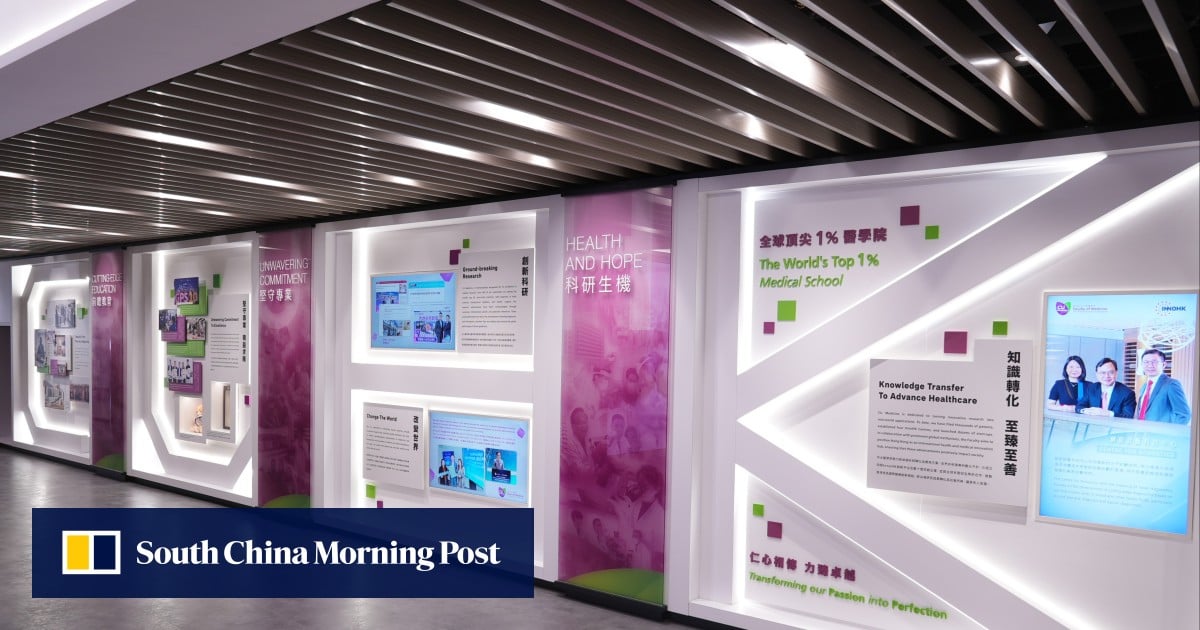
The Faculty of Medicine at the Chinese University of Hong Kong (CU Medicine) is integrating artificial intelligence literacy and interprofessional education (IPE) into its curriculum to prepare future doctors for modern healthcare challenges. The initiative aims to cultivate adaptable, digitally fluent physicians capable of collaborating across healthcare disciplines while ensuring ethical AI use in clinical practice.
The Faculty of Medicine at the Chinese University of Hong Kong (CU Medicine) is transforming its medical education model to address the demands of 21st-century healthcare. Traditionally focused on memorization and clinical knowledge, the program now emphasizes AI literacy and interprofessional collaboration (IPE) to equip students with skills for modern practice. Professor Samuel Wong Yeung-shan, Associate Dean (Education), stated that CU Medicine’s core mission remains unchanged: to produce compassionate, ethical, and competent doctors. However, the evolving healthcare landscape—marked by technological advancements and complex chronic diseases—requires physicians to be adaptable, digitally fluent, and skilled in teamwork. The university is embedding AI literacy into its curriculum while strengthening IPE to prepare students for AI-enabled environments and coordinated care. Interprofessional Education (IPE) is a key component of this transformation, integrating medical students with peers from nursing, pharmacy, Chinese medicine, public health, and biomedical sciences. Professor Chow Ka-ming, Assistant Dean of IPE, highlighted that early exposure to IPE—starting in Year 1—reduces hierarchical barriers and improves collaboration. The World Health Organization supports IPE as essential for enhancing patient safety and teamwork in clinical settings. CU Medicine’s approach ensures students understand the roles and perspectives of other healthcare professionals early in their training. This early integration fosters better communication, reduces professional silos, and prepares students for real-world clinical environments. The long-term plan involves sustaining IPE throughout the entire degree to reinforce teamwork skills continuously. By combining AI literacy with IPE, CU Medicine aims to cultivate medical leaders who are competent in the AI era and skilled at delivering coordinated care across disciplines. The initiative reflects a global shift in medical education, aligning with standards from major medical schools worldwide.
This content was automatically generated and/or translated by AI. It may contain inaccuracies. Please refer to the original sources for verification.