The hidden dead zones spreading across the Baltic Sea floor
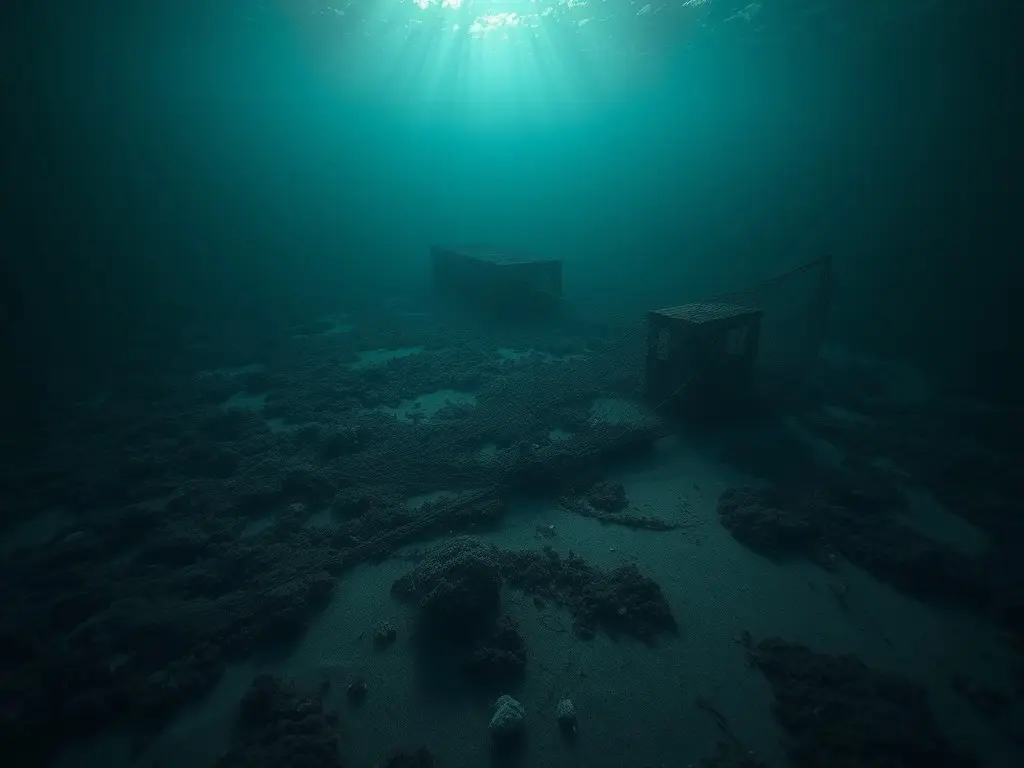
Dead zones with little to no oxygen are spreading across the Baltic Sea floor near Bornholm, driven by fertilizer and sewage pollution causing algal blooms and oxygen depletion. The collapse of local fishing industries, including the closure of Bornholm’s 141-year-old fishermen’s association in 2024, highlights the environmental crisis, with recovery potentially taking over 400 years.
Commercial cod fishing around Bornholm has been banned since 2019 due to the collapse of local cod stocks, and the island’s 141-year-old fishermen’s association closed in 2024. The decline has left the once-bustling harbour nearly empty, with only one fishing boat remaining. Tom Nielsen, the harbourmaster, recalled how the industry once supported three people on land for every one at sea, but now there are no fish left. Under the Baltic Sea’s surface, dead zones—areas with little or no oxygen—are expanding closer to Bornholm’s beaches. These zones form when human pollution, including fertilizers and sewage, triggers massive algal blooms. When the algae die and decompose, they consume oxygen, suffocating marine life and creating lifeless areas. The crisis is exacerbated by rising sea temperatures and oxygen depletion, with some experts suggesting the Baltic Sea may never fully recover. Recovery could take over 400 years, if it happens at all. Additionally, the Baltic Sea faces a new threat from Russia’s ghost fleet of ships, created to bypass Western sanctions after the 2022 invasion of Ukraine. Fears of an accidental oil spill from poorly maintained vessels in the fleet could further devastate the fragile ecosystem, though Russian authorities deny the claims. In response, the environmental charity Ivandet, founded by marine biologist Marie Helene Miller Birk, focuses on education and engagement. The organization repurposed an old ice factory into a café and research hub, offering families a chance to explore the sea through guided activities. Birk emphasizes the need to reconnect people with the marine environment to address the crisis.
This content was automatically generated and/or translated by AI. It may contain inaccuracies. Please refer to the original sources for verification.