The hidden dead zones spreading across the Baltic Sea floor
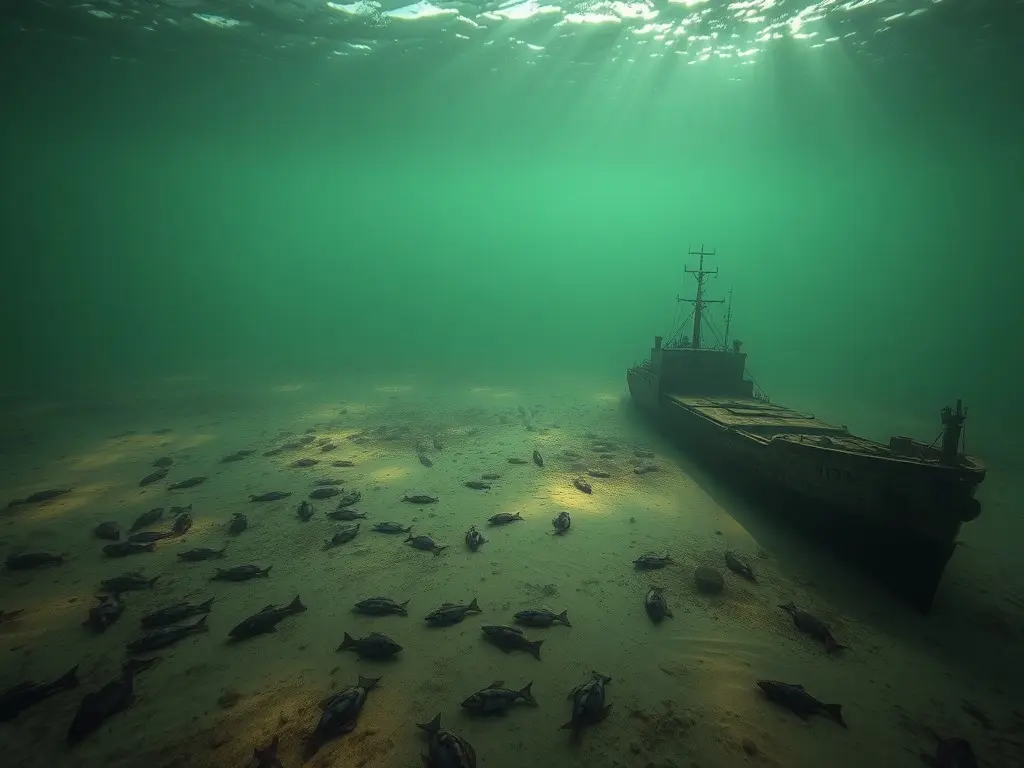
The Baltic Sea around Denmark’s Bornholm island is experiencing expanding oxygen-depleted dead zones due to pollution, algal blooms, and overfishing, threatening marine life and local fishing industries. Additional risks arise from Russia’s ghost fleet of poorly maintained ships, which could cause catastrophic oil spills under sanctions evasion efforts.
Denmark’s Bornholm island, once a bustling hub for cod fishing, now faces an environmental crisis as oxygen-depleted dead zones spread across the Baltic Sea floor. Commercial cod fishing has been banned since 2019 due to collapsing stocks, and the local fishermen’s association closed in 2024 after 141 years. Scientists warn recovery could take over 400 years—or may never happen—due to pollution from fertilizers, sewage, and rising sea temperatures. The dead zones form when algal blooms die, sink, and decompose, consuming oxygen and suffocating marine life. Bornholm’s harbourmaster, Tom Nielsen, notes the industry’s collapse: 55 boats once operated there, but now only one remains. The island’s fishing factory lies abandoned, a stark contrast to its former activity. A new threat looms from Russia’s ghost fleet, ships allegedly bypassing sanctions on oil exports after its 2022 Ukraine invasion. Experts fear a catastrophic oil spill from poorly maintained vessels could further devastate the fragile ecosystem, despite Russian denials. Local efforts like Ivandet, an environmental charity, aim to raise awareness by engaging communities in marine education. Co-founder Marie Helene Miller Birk says families visit to learn about pollution, while PhD student Magnus Heide Andreasen works on a startup, Redox, to reverse oxygen depletion in sea sediments. The charity’s artificial lagoon and café serve as memorials to the lost fishing industry and tools for environmental advocacy. With no immediate signs of recovery, Bornholm’s crisis reflects broader Baltic Sea degradation, where pollution and geopolitical risks intersect.
This content was automatically generated and/or translated by AI. It may contain inaccuracies. Please refer to the original sources for verification.