The new AI companion
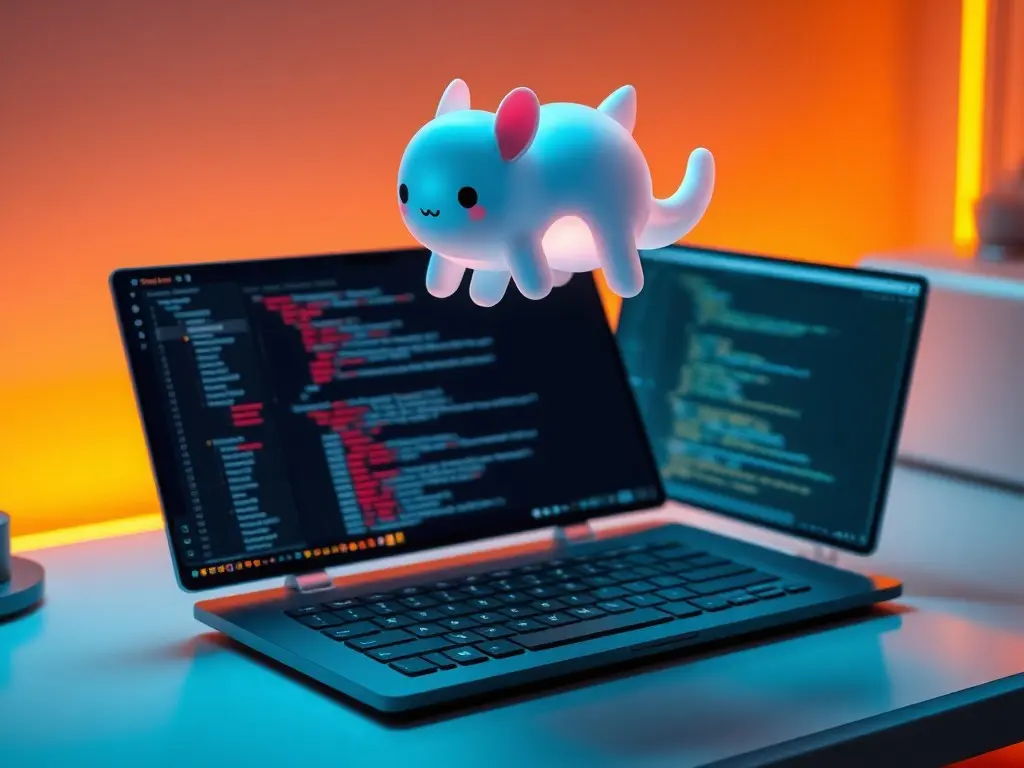
OpenAI’s Codex tool now includes AI pets as visual indicators for task progress, blending playful design with autonomous software functionality, while rival Anthropic’s Claude Code hides a similar 'Tamagotchi'-style Easter egg feature. The trend reflects a broader shift toward emotionally engaging interfaces in AI tools, addressing user unease about independent software while raising privacy concerns about commercial systems disguised as companions.
OpenAI’s Codex coding tool, launched in 2025, has introduced AI pets—floating companions that act as status updates for software tasks. Users can place cartoon animals like cats or dogs on their screens, where they signal task completion or request input, replacing traditional progress indicators. The pets, customizable to themes like *Star Wars* or *Harry Potter*, or even political figures, reflect a shift toward personalizing AI interactions. OpenAI markets Codex to both programmers and non-technical users, framing the pets as a way to make autonomous AI feel less intimidating. Anthropic’s Claude Code tool also includes a hidden feature: typing ‘/buddy’ summons a virtual creature in the terminal, nicknamed the *Tamagotchi* Easter egg. The comparison highlights how emotional attachment to digital companions—like the 1990s Tamagotchi craze—can improve user engagement with AI. These pets create visibility for background tasks, easing concerns about what autonomous software might be doing unseen. The trend signals a departure from Silicon Valley’s minimalist design ethos, as AI tools increasingly adopt playful, expressive interfaces. While this makes software feel more approachable, it risks blurring the line between companionship and commercial systems. AI pets can access sensitive data, workflows, and files, raising questions about user awareness of these interactions. Beyond coding tools, AI-powered virtual pet apps are growing on app stores, using large language models to create pets that remember interactions and develop personalities. The shift suggests a broader cultural acceptance of technology that feels personal, even as it operates independently. OpenAI’s move aligns with this trend, though it also underscores the need for transparency in how AI systems handle user data.
This content was automatically generated and/or translated by AI. It may contain inaccuracies. Please refer to the original sources for verification.