The quiet power of headphones for people with autism
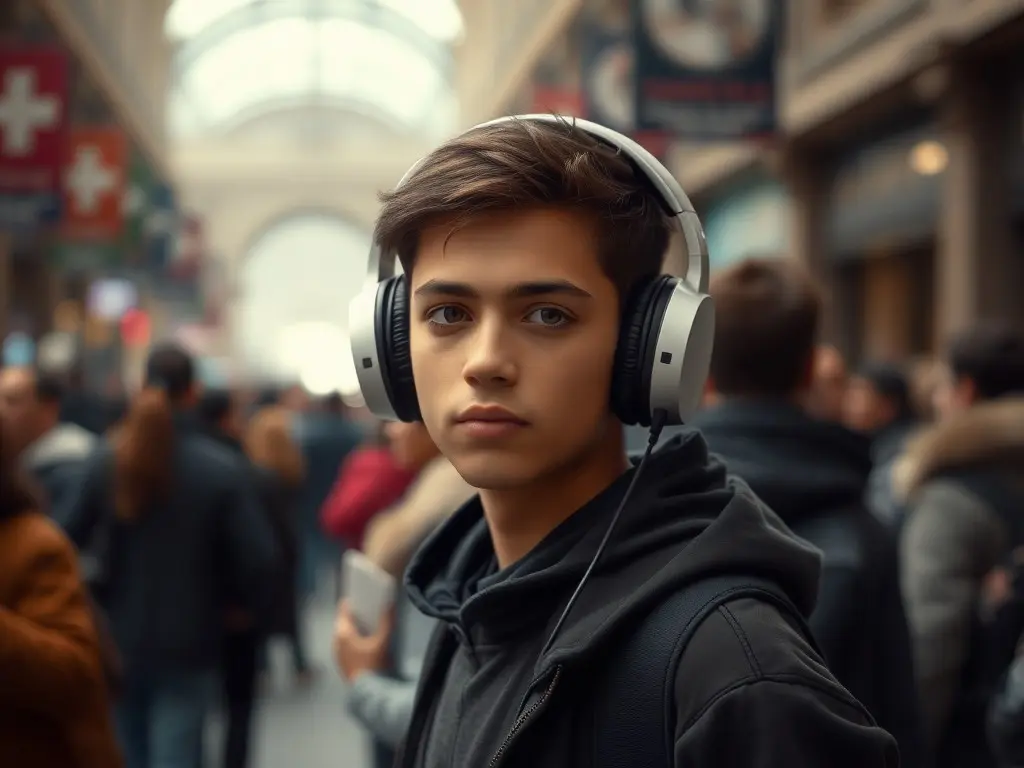
Tamara Grant, a neurodivergent advocate, and Angela Cuming, a mother of autistic twins, share how headphones and earmuffs help autistic individuals self-regulate and interact with the world. Dr. Daniel Shepherd, a sensory psychologist, notes that headphones can be a viable clinical tool in hostile acoustic environments.
Tamara Grant, a neurodivergent advocate, wore noise-cancelling headphones while speaking at a Parliament event in 2024. She used them to control the soundscape and avoid sensory overload. Grant founded Xabilities, a centre supporting neurodivergent people. Headphones and earmuffs help autistic individuals self-regulate by reducing noise and providing comfort. Angela Cuming's twin sons, Henry and Tommy, received an autism diagnosis at age three. Earmuffs were 'life-changing' for them, allowing them to participate in activities like swimming lessons. Dr. Daniel Shepherd, a sensory psychologist, notes that headphones can block out noise while allowing users to control what they hear, providing predictability and reducing sensory overload.
This content was automatically generated and/or translated by AI. It may contain inaccuracies. Please refer to the original sources for verification.