The ramifications of record-shattering heat on the West’s ecosystems
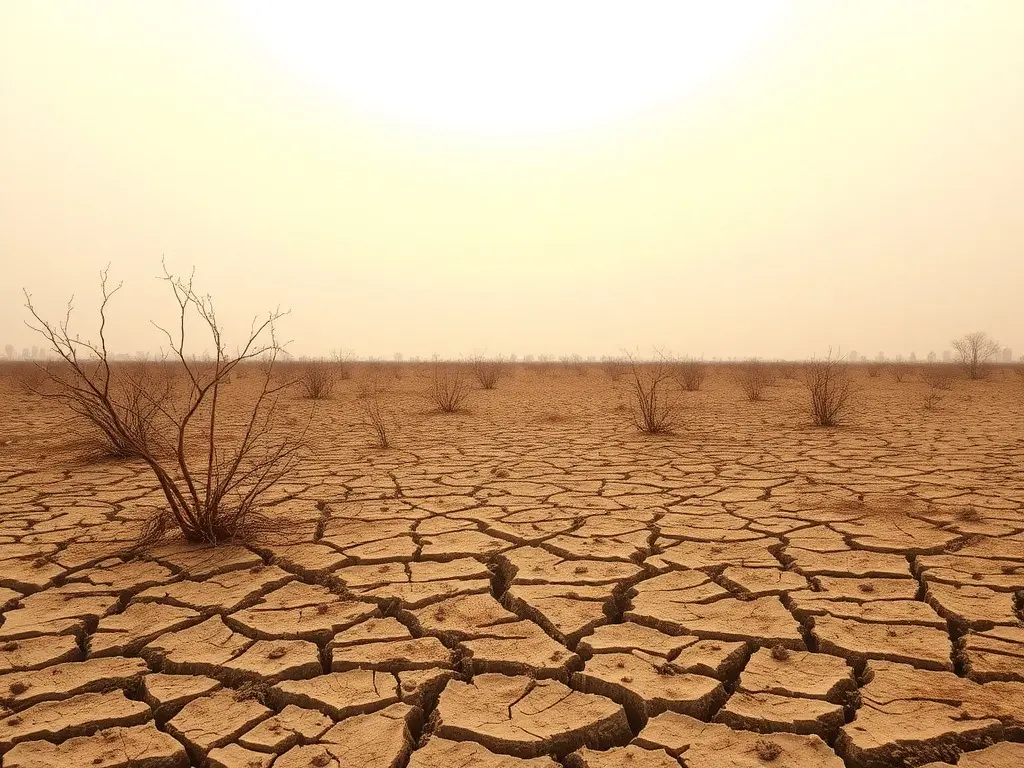
A record-shattering heat wave hit the Western United States in March, with temperatures exceeding records for May in some areas, and lasting for nearly two weeks. The heat wave was caused by climate change, which is making intense heat waves more likely, and is expected to have significant ecological impacts.
A heat wave in March shattered temperature records across the Western United States, from Tucson, Arizona, to Casper, Wyoming. Many locations set new March highs, with some exceeding temperature records for May. The heat wave lasted for nearly two weeks and was caused by climate change. Researchers say this event is a preview of what's to come for ecosystems, with some species unable to handle the heat. The 2021 heat wave in the Pacific Northwest caused widespread ecological damage, with tens of thousands of trees dying and millions of mussels and barnacles cooking. Scientists are still studying the impacts of that event, but initial findings show that over three-quarters of species surveyed were harmed, including marine species like acorn barnacles and green rope seaweed. Some species modified their behavior to cope with the heat, but others were unable to adapt.
This content was automatically generated and/or translated by AI. It may contain inaccuracies. Please refer to the original sources for verification.