The Real AI Effects Will Be Felt Across Places, Not People
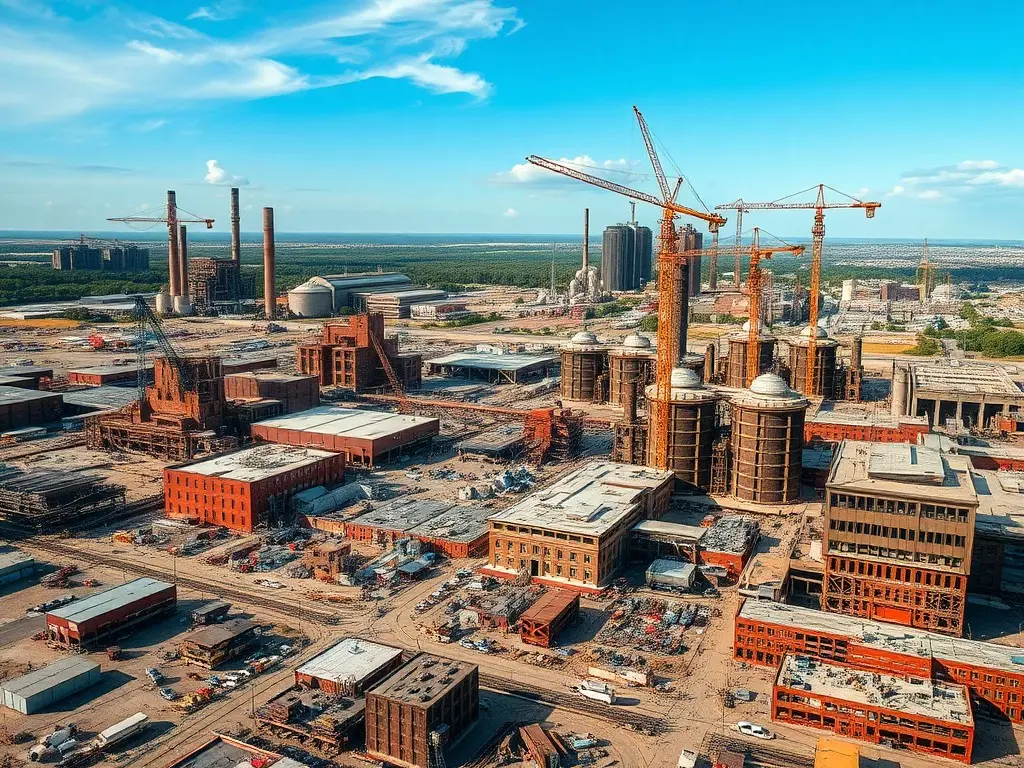
The author argues that artificial intelligence will have a greater impact on communities rather than workers, and that technological advancements create new demand and jobs. The author cites the example of the decline of manufacturing employment in the US from 1979 to 2009, where 7.9 million factory jobs were lost but 68.4 million jobs were gained.
The potential labor market effects of artificial intelligence are often misunderstood. The greatest uncertainty isn't what AI will do to workers, but what it will do to communities. Technology doesn't replace jobs, but rather tasks that people perform. From 1979 to 2009, the US lost 7.9 million factory jobs but gained 68.4 million jobs. For every factory job lost, 8.7 non-factory jobs were gained, and inflation-adjusted disposable income more than doubled. AI will likely have local effects, requiring more education and training, and creating new occupations. The real shocks and pain will be isolated, as seen in the decline of manufacturing employment.
This content was automatically generated and/or translated by AI. It may contain inaccuracies. Please refer to the original sources for verification.