The real space science behind 'Project Hail Mary'
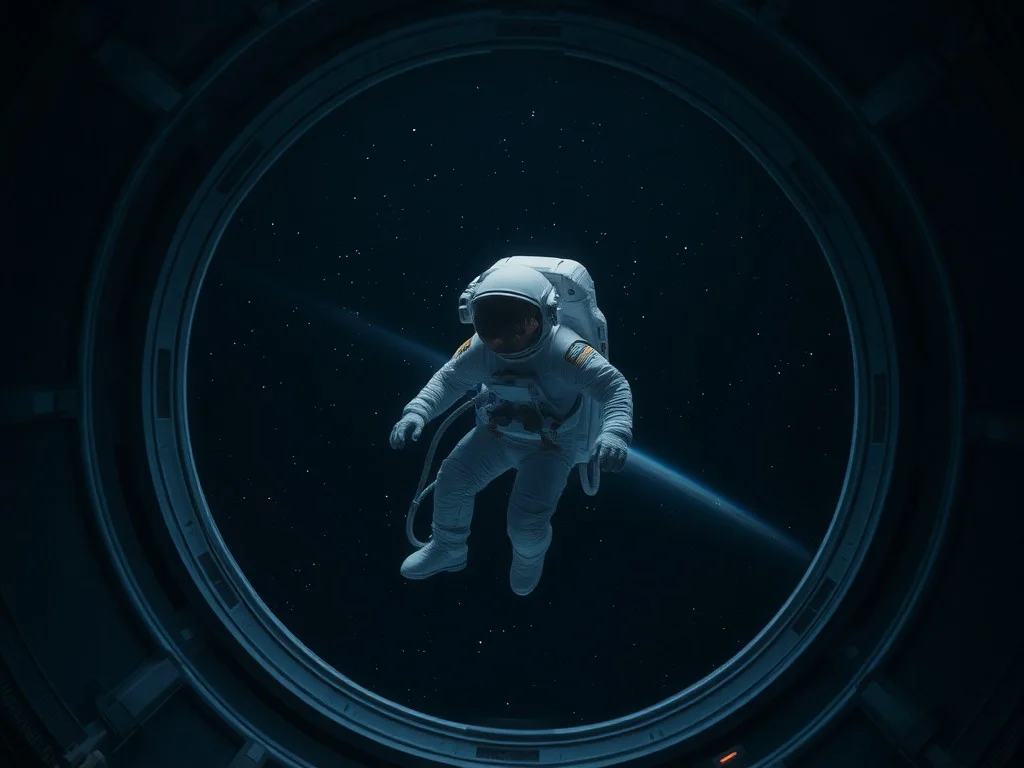
The film Project Hail Mary has sparked interest in interstellar travel and extraterrestrial life, prompting experts to weigh in on the plausibility of its scientific concepts. NASA and medical experts discuss the possibilities and challenges of long-distance space travel, including the effects of prolonged induced coma on the human body.
The film Project Hail Mary explores interstellar travel and extraterrestrial life. NASA's Biological and Physical Sciences Division director Lisa Carnell says humans are not yet prepared to travel to distant stars like Tau Ceti, 11.9 light years away. However, she believes it's possible with future technological advancements. For long-distance missions, medical solutions like induced coma or torpor might be necessary to address psychological and physical challenges. Doctors say induced coma patients on Earth often experience muscle wasting and other health issues. Research is needed to understand the effects of long-term induced coma on humans. NASA and medical experts are working to address these challenges and make long-distance space travel possible.
This content was automatically generated and/or translated by AI. It may contain inaccuracies. Please refer to the original sources for verification.