The Return of Talent: Dr. Mohana Rao Patibandla’s Mission to Transform Regional Healthcare
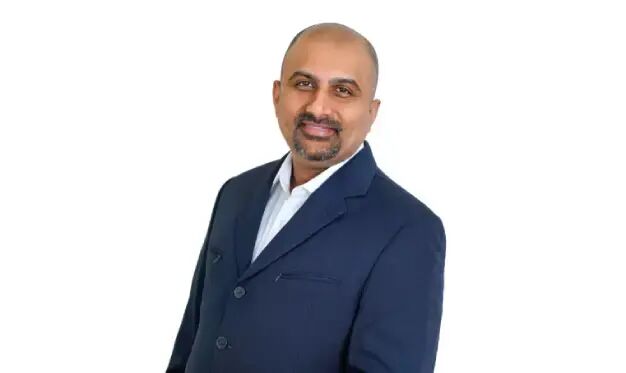
Dr. Mohana Rao Patibandla, founder of Dr. Rao’s Hospital and the International Institute of Neurosciences (IIN), is leading a trend of Indian doctors returning home to establish advanced neurological care facilities in smaller cities, addressing critical gaps in specialized treatment outside major urban hubs. The initiative aims to tackle delays in diagnosis and treatment for conditions like stroke, brain tumors, and spinal disorders by bringing world-class expertise and technology to underserved regions, potentially reversing India’s long-standing 'brain drain' of medical talent." "article": "India’s healthcare system remains concentrated in major cities like Delhi, Mumbai, and Bengaluru, leaving millions in smaller regions without access to specialized neurological care. Conditions such as stroke, brain tumors, and spinal disorders require rapid, high-level intervention, yet patients outside urban centers often face significant delays. Dr. Mohana Rao Patibandla, founder of Dr. Rao’s Hospital and the International Institute of Neurosciences (IIN), is addressing this gap by establishing advanced medical facilities in secondary cities, bringing back global expertise to improve regional healthcare. For years, India has seen skilled doctors trained locally pursue careers abroad due to better facilities, research opportunities, and organized healthcare systems. This 'brain drain' has worsened specialist shortages in fields like neurosurgery and neurocritical care, particularly in rural and semi-urban areas. Dr. Patibandla’s return represents a growing trend of Indian professionals opting to work domestically, leveraging their international training to build world-class institutions closer to underserved communities. Neurological disorders are a major public health concern in India, with stroke, brain tumors, and degenerative spine conditions increasing due to aging populations and lifestyle factors. Advanced treatments like minimally invasive neurosurgery and endovascular interventions for stroke now exist but remain inaccessible to most patients outside metropolitan areas. The lack of specialists and infrastructure in smaller cities forces delays in critical care, often with life-determining consequences. Dr. Rao’s Hospital in Hyderabad serves as a model for replicating high-end neurological care in tier-two cities. By combining cutting-edge technology with local expertise, the initiative aims to bridge the urban-rural divide in healthcare. If successful, this approach could transform India’s healthcare landscape, ensuring equitable access to specialized treatment nationwide within the next two decades.
India’s healthcare system remains concentrated in major cities like Delhi, Mumbai, and Bengaluru, leaving millions in smaller regions without access to specialized neurological care. Conditions such as stroke, brain tumors, and spinal disorders require rapid, high-level intervention, yet patients outside urban centers often face significant delays. Dr. Mohana Rao Patibandla, founder of Dr. Rao’s Hospital and the International Institute of Neurosciences (IIN), is addressing this gap by establishing advanced medical facilities in secondary cities, bringing back global expertise to improve regional healthcare. For years, India has seen skilled doctors trained locally pursue careers abroad due to better facilities, research opportunities, and organized healthcare systems. This 'brain drain' has worsened specialist shortages in fields like neurosurgery and neurocritical care, particularly in rural and semi-urban areas. Dr. Patibandla’s return represents a growing trend of Indian professionals opting to work domestically, leveraging their international training to build world-class institutions closer to underserved communities. Neurological disorders are a major public health concern in India, with stroke, brain tumors, and degenerative spine conditions increasing due to aging populations and lifestyle factors. Advanced treatments like minimally invasive neurosurgery and endovascular interventions for stroke now exist but remain inaccessible to most patients outside metropolitan areas. The lack of specialists and infrastructure in smaller cities forces delays in critical care, often with life-determining consequences. Dr. Rao’s Hospital in Hyderabad serves as a model for replicating high-end neurological care in tier-two cities. By combining cutting-edge technology with local expertise, the initiative aims to bridge the urban-rural divide in healthcare. If successful, this approach could transform India’s healthcare landscape, ensuring equitable access to specialized treatment nationwide within the next two decades.
This content was automatically generated and/or translated by AI. It may contain inaccuracies. Please refer to the original sources for verification.