The revolt within: Why Pakistan-administered Jammu & Kashmir is restless again
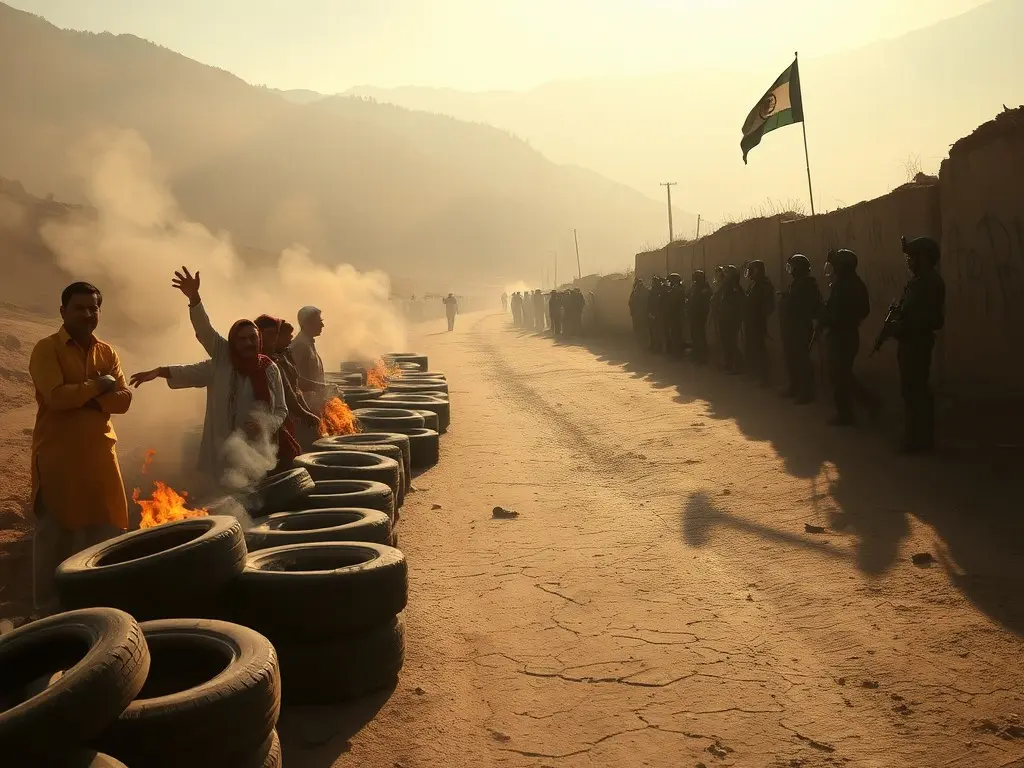
Protests in Pakistan-administered Jammu & Kashmir have escalated into violence, with at least 12 deaths and dozens injured after clashes centered around JAAC’s demands for governance reforms and electoral grievances. The Pakistan government banned JAAC as a terrorist organization, arrested 72 individuals, and the unrest has drawn international attention, including a letter from British parliamentarians urging diplomatic intervention.
Pakistan-administered Jammu & Kashmir (PAJK) is experiencing renewed unrest, with protests turning violent after authorities banned the Jammu Kashmir Joint Awami Action Committee (JAAC) and detained its supporters. JAAC, formed in 2023, has been pushing for governance reforms, electricity tariff adjustments, and wheat subsidies, accusing the regional administration of broken promises. Violence erupted on June 5 when a protester was killed in Rawalakot, followed by clashes on June 7 that left 11 dead, including four law enforcement officers, with 15 people still missing. The unrest stems from long-standing grievances, including perceived political exclusion and heavy-handed control from Islamabad. Historical tensions, such as the Sudhan clan’s resistance in the post-partition era, continue to fuel contemporary dissatisfaction. Last year’s protests, which also resulted in fatalities, forced the government to offer concessions, but unresolved issues persist. Police arrested 72 JAAC-linked individuals, alleging weapons and incitement to public disorder, while the government formally designated JAAC as a proscribed organization under the Anti-Terrorism Act, 2014. The situation has taken on a transnational dimension, with over 30 British parliamentarians, including Labour MP Imran Hussain, writing to U.K. Foreign Secretary Yvette Cooper. The letter expressed concern over communications blackouts, arrests, and escalating tensions, urging the British government to monitor developments and engage diplomatically. The unrest has transformed PAJK into a volatile political flashpoint, where economic frustrations intersect with deeper questions of representation and institutional legitimacy. JAAC maintains that institutional and electoral grievances remain central to the movement, despite government crackdowns. The region’s central belt has a history of resistance, and the current clashes reflect accumulated dissatisfaction rather than a sudden outbreak. The military-run hospital in Rawalakot became a focal point for protests after the body of a killed trader was kept there, intensifying confrontations. The government’s response—banning JAAC and arresting activists—has further escalated tensions, raising concerns about long-term stability in the region.
This content was automatically generated and/or translated by AI. It may contain inaccuracies. Please refer to the original sources for verification.