The rise of extreme weather and how it’s impacting power outages and fire watch needs
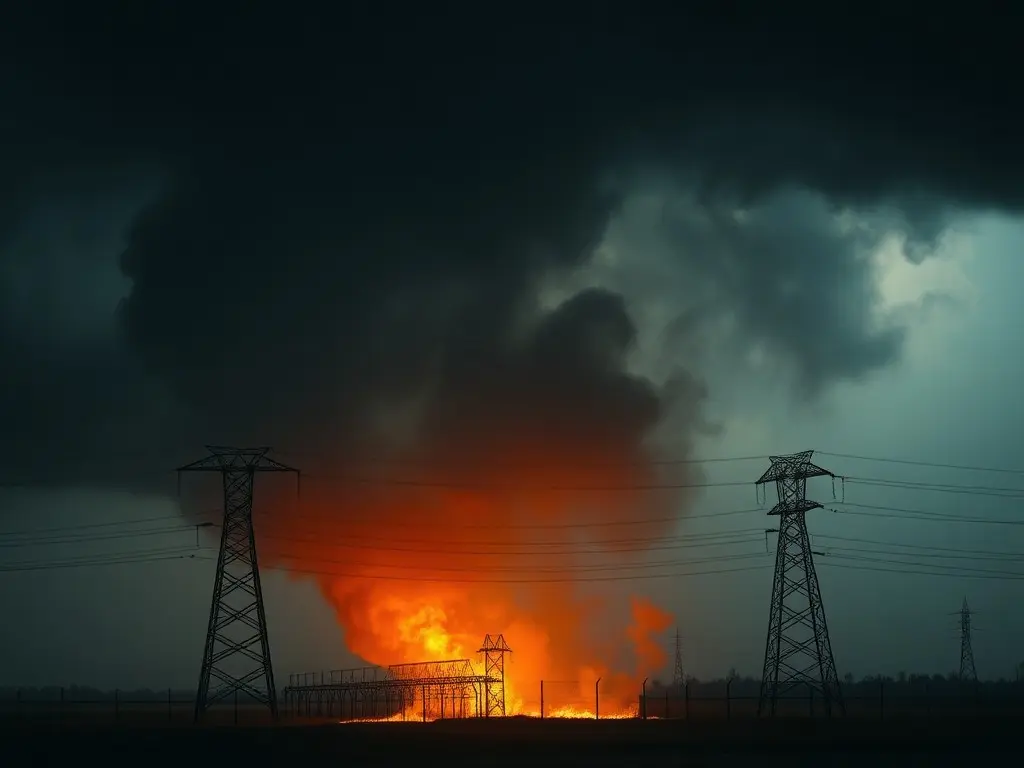
Extreme weather events, including record-breaking heat and volatile storms, are overwhelming U.S. electrical infrastructure, causing prolonged power outages that disable fire safety systems like alarms and sprinklers. National Firewatch reports these failures force reliance on manual fire watch programs, while climate patterns like El Niño and warming-driven moisture increases amplify risks to grid stability and fire hazards across the country.
Extreme weather is straining the U.S. power grid to its limits, triggering widespread outages that cripple fire safety systems. Record heat in the Southwest and volatile spring storms across the central and southern U.S. are exceeding the capacity of aging electrical infrastructure, leaving properties vulnerable to fires when alarms, sprinklers, and emergency communications fail. National Firewatch highlights how climate-driven disruptions—such as supercharged storms, derechos, and heat domes—create cascading risks: downed power lines ignite blazes, while facilities lose electronic fire detection and suppression capabilities. Without power, trained human monitors become the sole line of defense against regulatory non-compliance and fire hazards. The science behind the surge in outages is clear: a warmer atmosphere holds 7% more moisture per degree of warming, fueling intense storms that overwhelm grid systems designed for past climate conditions. High winds, lightning, flooding, and extreme heat directly threaten substations, transmission towers, and power lines, causing prolonged blackouts. Flash floods submerge underground equipment, while drought weakens trees, increasing the risk of vegetation colliding with lines during moderate winds. The NOAA El Niño Watch warns of a 62% chance of El Niño conditions emerging this summer, which could worsen droughts in some regions while spawning destructive storm outbreaks elsewhere. Three primary pathways dominate weather-related grid failures. High winds, storm clusters, and derechos physically damage infrastructure by snapping utility poles and toppling towers, disrupting power for hours or days. Flooding—both flash and river-based—submerges substations and underground systems, triggering cascading failures that require extensive repairs. Meanwhile, prolonged heat domes cause power lines to sag and surge electricity demand for cooling, further straining the grid. Each event compounds the others, creating a cycle of vulnerability where climate change acts as a threat amplifier. Facility managers face growing challenges as extreme weather events become more frequent and severe. Without power, fire safety systems become inactive, forcing reliance on manual fire watch programs to meet regulatory standards. Downed power lines pose immediate ignition risks, while the inability to detect or suppress fires electronically heightens dangers. The interplay between climate patterns and outdated infrastructure underscores the need for adaptive solutions, from grid modernization to improved emergency response planning. As El Niño and other climate factors intensify, the risks to both power reliability and fire safety will likely escalate, demanding proactive measures to mitigate the fallout.
This content was automatically generated and/or translated by AI. It may contain inaccuracies. Please refer to the original sources for verification.