The Rise of Yeast as a Model Organism in Biology
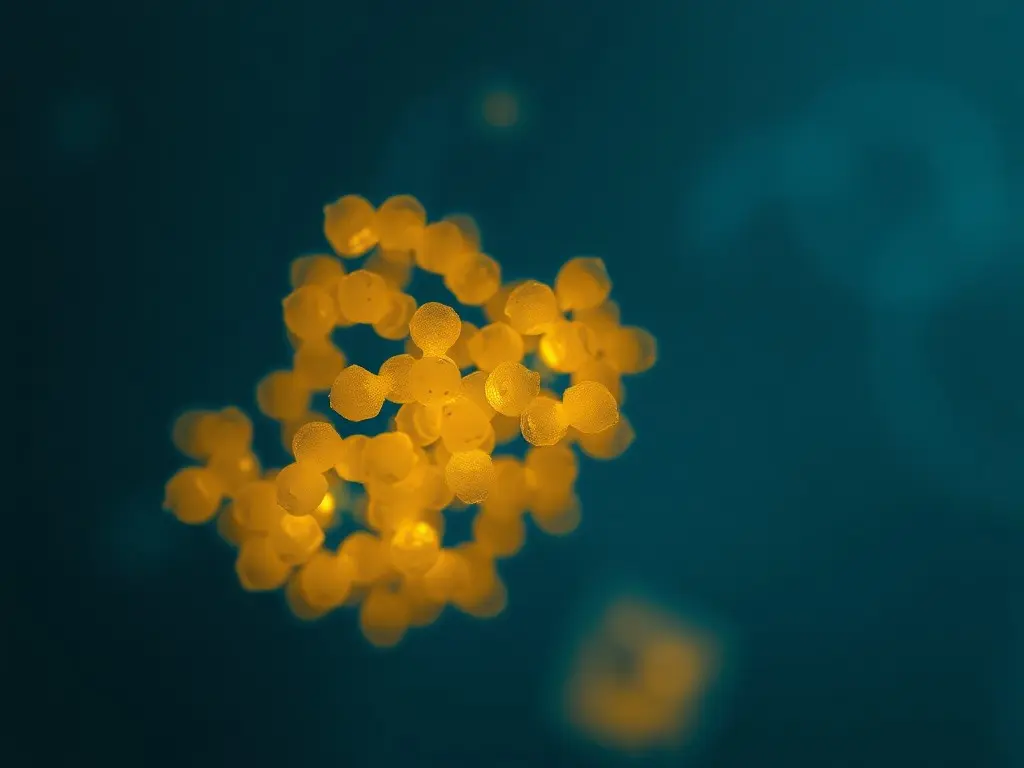
Yeast, particularly *Saccharomyces cerevisiae* or baker’s yeast, emerged as a pivotal model organism in biology after decades of genetic research led by scientists like Øjvind Winge, the Lindegrens, and Leland Hartwell. Hartwell’s shift from mammalian cells to yeast in the 1960s, guided by experts like Robert Mortimer and Herschel Roman, revolutionized the study of fundamental biological processes such as cell division and DNA synthesis.
Yeast’s role in biology expanded beyond fermentation when researchers recognized its potential as a model organism for studying eukaryotic cells. While mammalian systems dominated mid-20th-century research, Leland Hartwell, a postdoctoral fellow at the Salk Institute, questioned their limitations in 1964. Frustrated by the lack of genetic tools for human cells, he sought an alternative with simpler genetics, ultimately turning to *Saccharomyces cerevisiae* after studying bacterial gene regulation. Early foundational work on yeast genetics began in the 1930s–1950s. Øjvind Winge at the Carlsberg Laboratory in Copenhagen pioneered breeding experiments to improve brewing strains, while Carl and Gertrude Lindegren at the University of Southern Illinois mapped yeast chromosomes and explored reproduction mechanisms. These efforts laid the groundwork for Hartwell’s later research. Hartwell’s breakthrough came after consulting geneticists Robert Mortimer at UC Berkeley and Herschel Roman at the University of Washington. Roman provided yeast strains and a micromanipulator, enabling Hartwell to isolate spores for genetic studies. By 1965, Hartwell focused on yeast’s cell division and DNA synthesis, transitioning his lab to the University of Washington in 1968 to leverage its genetics expertise. Yeast’s genetic tractability—its rapid reproduction, well-defined chromosomes, and ease of manipulation—made it ideal for probing fundamental biological questions. Hartwell’s work demonstrated that yeast could reveal insights into eukaryotic processes, including cell cycle regulation, later earning him a Nobel Prize in 2001. The organism’s dual role in industry and research cemented its status as a cornerstone of modern biology.
This content was automatically generated and/or translated by AI. It may contain inaccuracies. Please refer to the original sources for verification.