The secret reason some cancer treatments stop working
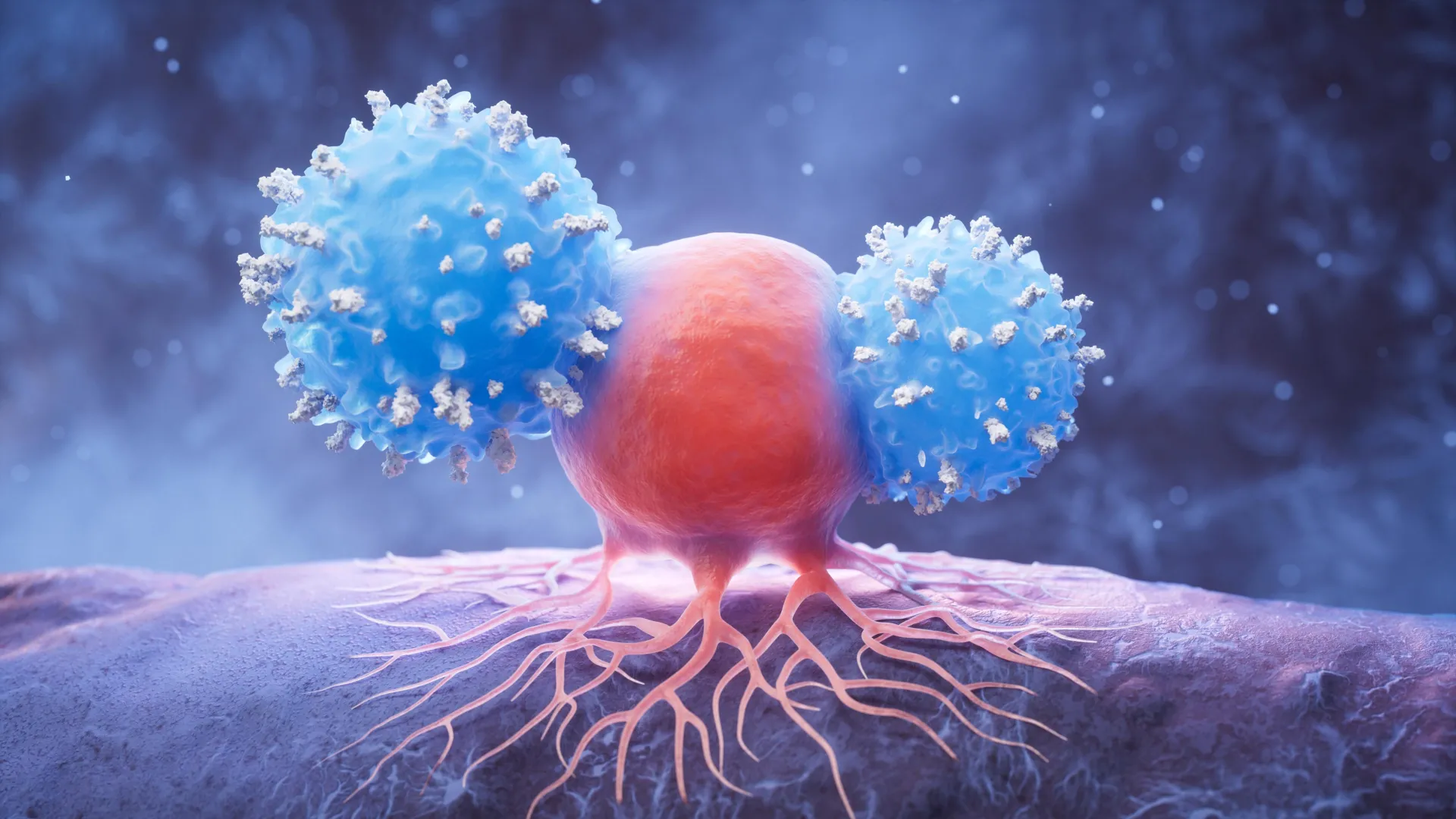
Researchers at the Université de Montréal discovered SLAMF6, a molecule that acts as an internal 'brake' on T cells, weakening their ability to fight cancer. Their developed antibodies blocking SLAMF6 restored T cell effectiveness in mice, offering a potential new immunotherapy for patients resistant to PD1/PDL1 treatments.
A team led by Dr. André Veillette at the Université de Montréal identified SLAMF6, a molecule that suppresses T cell activity independently of tumor signals. Unlike other immune checkpoints, SLAMF6 activates on T cells themselves, reducing their ability to attack cancer and accelerating immune exhaustion. The discovery, published in *Nature*, reveals SLAMF6 weakens T cells by limiting their attack capabilities and decreasing production of long-lasting immune cells. Current immunotherapies like PD1 and PDL1 inhibitors often fail due to resistance, leaving many patients without effective treatment options. To counteract SLAMF6, Veillette’s team developed monoclonal antibodies that block its self-activation. Lab tests showed these antibodies increased human T cell activation, reduced exhaustion, and enhanced anti-tumor responses in mice. The results outperformed existing SLAMF6-targeting approaches. The researchers believe the antibodies could form a new immunotherapy class, particularly for patients who no longer respond to PD1/PDL1 treatments. Early clinical trials are planned to test safety and effectiveness in solid tumors and blood cancers. Funding for the study came from the Canadian Institutes of Health Research (CIHR) and the Terry Fox Research Institute. The breakthrough was called a 'new chapter in immunotherapy' by IRCM president Dr. Jean-François Côté, highlighting its potential to address current treatment limitations.
This content was automatically generated and/or translated by AI. It may contain inaccuracies. Please refer to the original sources for verification.