The trees we forget: What a city loses when the canopy disappears
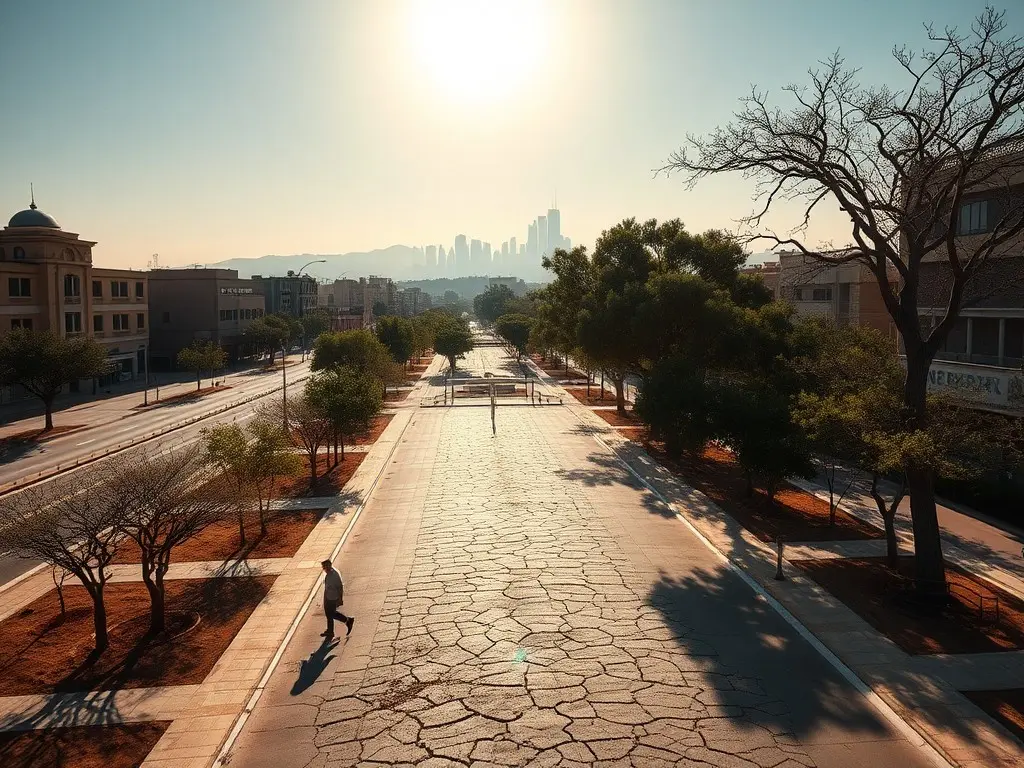
India’s urban development projects are clearing thousands of trees, wetlands, and forests amid record-breaking summer temperatures exceeding 42 degrees Celsius, worsening heat stress and climate resilience. Bengaluru, once known for its pleasant climate and tree-lined streets, is losing its green canopy, erasing cultural memories and natural cooling systems tied to its identity.
India’s urban expansion is accelerating the removal of thousands of trees, wetlands, and forests for infrastructure projects, despite extreme heat this summer—temperatures in many states have surpassed 42 degrees Celsius, increasing fatalities. Critics opposing large-scale tree felling are often labeled as anti-development or anti-national, while environmental degradation intensifies amid a global climate crisis. Trees play a vital role in preserving urban health, memory, and character, offering cooling shade and shaping collective experiences that no development can replace. Bengaluru, once celebrated for its mild climate, is losing its appeal as its defining natural features disappear under rapid urbanization. The city’s transformation has constrained space, forcing premature growth to accommodate rising populations, while trees remain a constant—longstanding landmarks that define identity and memories. Decades ago, streets like New BEL Road were shaded by towering trees, offering respite and spontaneity; today, those same routes are crowded with traffic, though remnants of old giants like ficus and rain trees still soften the urban chaos near signals. Personal routines and rituals are deeply tied to Bengaluru’s trees, such as the 300-year-old silk cotton tree near Lalbagh, which has stood as a silent witness to generations. Daily interactions with these natural landmarks foster familiarity, from seasonal visits to Basavanagudi for jackfruit to vendors recalling gathering wood apples from the same roads. These trees are not just environmental assets but repositories of cultural stories, linking past and present in ways that infrastructure cannot replicate. The loss of urban canopies diminishes quality of life, as seen in the disappearance of shaded spaces where music gigs like Strawberry Fields once thrived. Without trees, Bengaluru risks losing its unique charm—replacing serene streets with heat and congestion. The debate over development versus preservation highlights a broader conflict: progress at the cost of climate resilience and cultural heritage.
This content was automatically generated and/or translated by AI. It may contain inaccuracies. Please refer to the original sources for verification.