The U.S. ends Russia oil waiver, implications for India
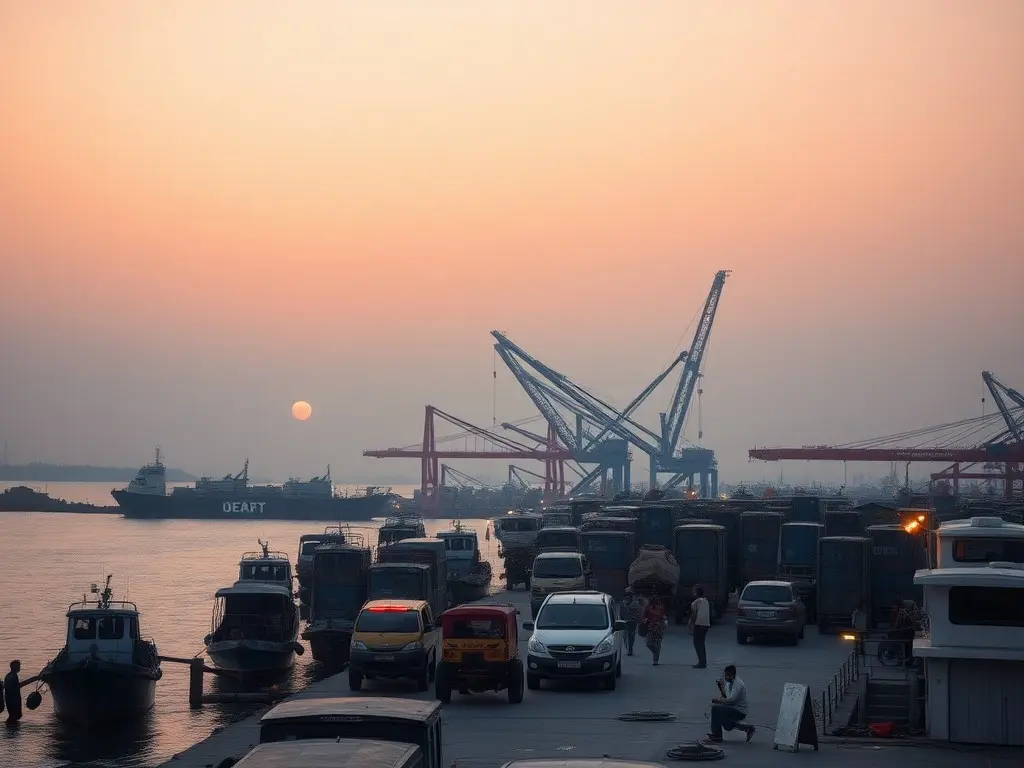
The U.S. has ended its waiver on Russian seaborne oil, raising concerns for India, the world’s third-largest oil importer, which relies on Russian crude to stabilize prices amid global supply risks. The move could worsen inflation and economic instability in Asia, where energy demand is rising alongside geopolitical tensions in West Asia and the Red Sea.
The U.S. decision to end its waiver on Russian seaborne oil marks a critical shift in global energy markets, directly impacting India, which imports nearly 90% of its crude oil. As the world’s third-largest importer and a fast-growing energy consumer, India has increasingly relied on Russian oil since 2022 to moderate inflation, improve refinery economics, and reduce dependence on volatile regions. The move comes as oil markets face simultaneous pressures: conflict in West Asia, disruptions in the Red Sea, and rising tensions in the Strait of Hormuz. These factors have already driven up freight costs, insurance premiums, and crude price expectations. The U.S. sanctions, while targeting Russia’s oil revenues, risk tightening global supply balances, potentially triggering higher prices worldwide. For India, energy affordability is a critical economic issue, influencing transport costs, food inflation, fertilizer subsidies, and household spending. A sustained rise in crude prices could destabilize the broader economy, spreading inflationary effects across sectors. Unlike developed nations with plateauing energy demand, India’s industrialization and urbanization continue to drive demand upward, making supply stability a priority. The sanctions present a contradiction: Western nations aim to reduce Russia’s oil revenues while seeking stable fuel prices and uninterrupted energy flows. However, stricter sanctions may unintentionally push global oil prices higher, allowing Russia to earn substantial revenues despite lower export volumes. This dynamic risks undermining the sanctions’ intended impact, as higher prices offset some restrictions on Russian crude sales. With global oil markets operating on thin margins, even policy signals from Washington can trigger volatility. The latest U.S. restrictions could exacerbate existing disruptions, from Red Sea shipping attacks to rising war-risk insurance premiums. India, already navigating geopolitical and economic challenges, may face heightened pressure to secure alternative oil sources or absorb higher costs.
This content was automatically generated and/or translated by AI. It may contain inaccuracies. Please refer to the original sources for verification.